Shopping for a used Honda Civic feels simple until you realize some years are goldmines and others are money pits. This guide breaks down every generation so you can buy smart, skip the lemons, and actually enjoy the car you paid for. Stick around — the worst years might surprise you.
Why the Honda Civic’s Year Matters So Much
Not all Civics are created equal. One year might get you 300,000 miles of trouble-free driving. Another might leave you replacing a transmission before 100,000 miles. The difference often comes down to which generation you’re buying into and what Honda was prioritizing at the time — cost-cutting, innovation, or pure reliability.
Understanding the best years for Honda Civic isn’t just trivia. It’s the difference between a smart used car purchase and an expensive mistake.
The Best Years for Honda Civic: A Quick Summary
Before diving deep, here’s the short answer:
- 1992–1995 — Mechanical perfection, simple engines, near-indestructible
- 1996–2000 — Refined, dependable, great driving dynamics
- 2013–2015 — Modern safety meets bulletproof reliability
- 2019–2021 — Turbocharged era, fixed issues, excellent used value
The years to skip: 2001–2004, 2006–2008, and 2012. More on those shortly.
The Golden Era: 1992–2000 (5th and 6th Generation)
If you want the best years for Honda Civic from a pure mechanical standpoint, stop here. The 1990s Civic is where Honda’s engineering philosophy shined the brightest.
Why the 1992–1995 Civic Is the Most Reliable Ever Built
The fifth generation is frequently cited as the most reliable Civic Honda ever made. It’s easy to see why:
- Double-wishbone front suspension — precise handling that most economy cars couldn’t touch
- D-series and B-series engines — simple, naturally aspirated, and nearly indestructible
- VTEC and Lean Burn technology — great fuel economy without complex turbocharging
- Fewer electronic components — fewer things to break
Many 1992–1995 Civics are still running today. That’s over 30 years of service from a car that originally cost less than $15,000.
The only real risk? Body corrosion in colder climates. If you live somewhere they salt the roads, inspect the undercarriage carefully.
The 1996–2000 Civic: Refined and Still Rock-Solid
The sixth generation kept everything that worked — including the double-wishbone suspension — and added better interior ergonomics and improved safety features. These years carry very low complaint numbers across almost every model.
One thing to watch: the Civic HX trim used an early continuously variable transmission (CVT). These units struggled when owners skipped transmission fluid changes. If you’re buying an HX, get proof of regular maintenance.
| Year | Generation | Reliability Rating | Key Notes |
|---|---|---|---|
| 1992–1995 | 5th | 5/5 | Mechanical purity, double-wishbone suspension |
| 1996–2000 | 6th | 4.8/5 | Refined ergonomics, low complaints, Si trim added |
The Years to Avoid: 2001–2005 (7th Generation)
This is where things get ugly. The seventh generation is widely considered the most problematic era in the Civic’s history, and the 2001 model year is the single worst Honda Civic ever made.
The 2001 Honda Civic: Skip It Completely
The 2001 Civic earned a brutal reputation — and it deserved it. Consumer databases recorded over 1,200 unique complaints, with the majority focused on one catastrophic problem: automatic transmission failure.
Owners reported slipping gears, rough shifting, and complete loss of power — often before hitting 150,000 kilometers. On top of that, the 2001 Civic was a major target of the Takata airbag recall, where defective inflators could rupture and spray metal fragments at occupants during a crash.
The 2001 Civic holds the grim distinction of being called “the most recalled car of all time” — 27 recalls and over 1,200 complaints says it all.
2002–2004: Still Risky Territory
Honda tried to fix things, but the problems persisted across the generation.
| Year | Approx. Complaints | Recalls | Main Issues |
|---|---|---|---|
| 2001 | 1,228 | 27 | Transmission failure, airbag ruptures |
| 2002 | 555 | 24 | Gear slippage, electrical failures |
| 2003 | 201 | 24 | Airbag non-deployment, transmission |
| 2004 | 350 | 15 | Electrical problems, transmission |
| 2005 | 315 | 15 | Manual gear slippage, interior quality |
The 2005 model did show some improvement as Honda refined its process. But given the history, most experts recommend avoiding the entire 2001–2004 range entirely.
A Fresh Start With Problems: 2006–2011 (8th Generation)
The eighth generation arrived with a futuristic redesign and a cool two-tier digital dashboard. It looked great. Unfortunately, 2006–2008 came with a serious hidden flaw.
The Engine Block Crack Problem (2006–2009)
The 1.8-liter four-cylinder engine in these years had a defect in its aluminum alloy casting. The engine block developed hairline fractures that caused coolant leaks and catastrophic overheating. Because the cracks were hard to spot, owners often didn’t notice until the engine was already destroyed — and replacement costs hit around $3,000.
Honda extended the powertrain warranty to ten years on affected vehicles, but that doesn’t help if you’re buying one used today without warranty coverage. These years also suffered from:
- Premature paint clear-coat peeling
- Uneven tire wear from suspension geometry issues
2010–2011: The 8th Gen Gets It Right
By 2010 and 2011, Honda resolved the engine casting issues. These final years of the eighth generation are now considered solid budget picks on the used market. You get modern safety features like side-curtain airbags and electronic stability control without the mechanical time bombs of the earlier 8th gen models.
The Recession Civic and the Comeback: 2012–2015 (9th Generation)
Honda built the ninth generation during the global financial crisis, and the cost-cutting shows in the 2012 model. Consumer Reports famously pulled its recommendation that year.
2012: Budget Decisions Gone Wrong
The 2012 Civic drew complaints for its drab interior, excessive road noise, and a driving experience that felt like a step backwards. Worse, some owners needed major brake repairs as early as 33,000 miles. The backlash forced Honda into a rare mid-cycle redesign — essentially admitting the car needed fixing.
2013–2015: The Sweet Spot for Used Buyers
The rapid pivot worked. The 2013–2015 models upgraded the interior, added better sound insulation, and recalibrated the suspension. These years used the final versions of Honda’s naturally aspirated 1.8-liter engine paired with a five-speed automatic or manual transmission.
That combination has proven capable of hitting 300,000 miles with basic maintenance. For many used car experts, 2014 and 2015 remain the best years for Honda Civic in terms of balancing modern comfort with long-term reliability.
| Year | Trim | Combined MPG | Notable Features |
|---|---|---|---|
| 2012 | HF | 33 MPG | Aerodynamic focus, but cut-rate interior |
| 2013–2015 | LX/EX | 32–33 MPG | Standard Bluetooth, rearview camera |
| 2013–2015 | Si | 25 MPG | 2.4-liter engine, 201 horsepower |
The Turbo Era: 2016–2021 (10th Generation)
The tenth generation was a bold step forward — bigger, more aggressive styling, and a turbocharged engine for the mainstream lineup for the first time. It was a critical hit, but the early years came with new headaches.
2016–2018: Turbo Teething Issues
The 1.5-liter turbocharged engine brought more torque and a genuinely fun driving experience. But in cold climates, some owners discovered their oil level rising on the dipstick with a strong smell of gasoline. This is called oil dilution — unburned fuel escaping past the piston rings into the oil pan.
The cause? The engine ran so efficiently that it stayed cold during short winter trips, preventing gasoline from evaporating out of the oil as designed. Honda issued a software update to speed up engine warm-up and extended the warranty on internal components for 2016–2018 models.
2019–2021: The Turbo Era Matures
By 2019, the oil dilution issue was largely resolved. The 2019, 2020, and 2021 Civics regained top reliability marks and offer excellent used value today. For buyers who want modern technology without early-adoption headaches, 2020 and 2021 are the safest choices from this generation.
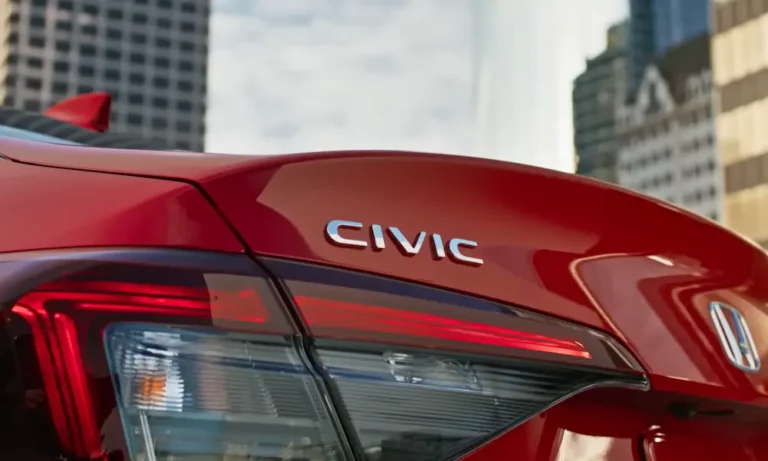
The Latest Generation: 2022–2025 (11th Generation)
The eleventh generation launched to strong reviews. The interior finally feels upscale, the design is clean, and the driving dynamics are excellent.
Recent Recall: Sticky Steering
In 2024 and 2025, Honda issued a major recall for approximately 1.7 million vehicles due to a defective steering gearbox worm gear that could make steering feel heavy and difficult. Some 2025 models also faced a recall for a potentially leaking high-pressure fuel pump. These issues are being addressed under warranty, but they’re worth knowing if you’re buying a brand-new or very recent model.
The 2025 Civic Hybrid: 50 MPG and 200 HP
The 2025 model year reintroduced the hybrid powertrain with an impressive dual-motor system producing 200 total horsepower while achieving up to 50 miles per gallon in city driving. That’s as powerful as the sporty Si trim while doubling the fuel economy.
How Much Does Owning a Civic Actually Cost?
Here’s the good news: the Civic is one of the cheapest cars to maintain long-term. RepairPal reports average annual maintenance costs of just $368 — well below the industry average of $646.
| Year of Ownership | Annual Cost (Est.) | Major Repair Probability |
|---|---|---|
| Year 1 | $234 | 1.59% |
| Year 3 | $338 | 2.96% |
| Year 5 | $516 | 7.52% |
| Year 7 | $744 | 9.12% |
| Year 10 | $841 | 16.08% |
The probability of a major repair jumps after year five — so if you’re buying used, factor in that rising curve when negotiating the price.
Civic Resale Value: It Holds Up Better Than You’d Think
The Civic depreciates roughly 29% after five years — well below the industry average. Here’s how current used prices break down:
| Model Year | Avg. Price | Residual Value | Value Rating |
|---|---|---|---|
| 2024 | $24,870 | 84.5% | Best |
| 2023 | $23,927 | 81.6% | Better |
| 2022 | $22,299 | 80.5% | Good |
| 2021 | $19,295 | 72.5% | Good |
| 2015 | $11,746 | 40.9% | Excellent Budget |
The 2015 model stands out as the best budget pick — low price, proven reliability, and enough modern features to keep daily driving comfortable.
The Safety Story: Honda Sensing and What It Actually Does
Since 2005, Honda has used its proprietary Advanced Compatibility Engineering body structure — a network of high-strength steel designed to absorb crash energy and protect the passenger compartment. Starting with the tenth generation, Honda Sensing became standard on most trims and brought:
- Collision Mitigation Braking — automatically applies brakes to prevent or reduce frontal collisions
- Lane Keeping Assist — uses cameras to keep the car in its lane
- Road Departure Mitigation — alerts you when you drift toward the edge of the road
The eleventh generation added a donut-shaped driver’s airbag — the first of its kind — designed to cradle the occupant’s head and reduce brain injury risk during angled crashes. The result? Consistent IIHS Top Safety Pick and Top Safety Pick+ awards for nearly two decades.
Best and Worst Years for Honda Civic: The Final Word
Here’s everything distilled into a clean decision guide:
Buy these years with confidence:
- 1992–1995 — Legendary reliability, mechanical simplicity
- 1996–2000 — Refined, dependable, great driver’s car
- 2013–2015 — Best used value, proven to hit 300k miles
- 2019–2021 — Modern tech, resolved turbo issues, strong resale
Approach with caution:
- 2005–2006 — Transition years, do a thorough inspection
- 2009 — Final year of engine block concerns, verify warranty history
- 2022–2024 — Steering recall; confirm it’s been addressed before buying
Avoid these years:
- 2001–2004 — Systemic transmission failures, high recall counts
- 2006–2008 — Risk of cracked engine blocks, expensive repair
- 2012 — Cost-cutting hurt quality, premature brake issues
The Honda Civic earns its reputation as one of the most dependable cars on the road — but only when you pick the right year. Stick to the proven model years, check the maintenance history, and you’ll likely be driving that Civic well past 200,000 miles.