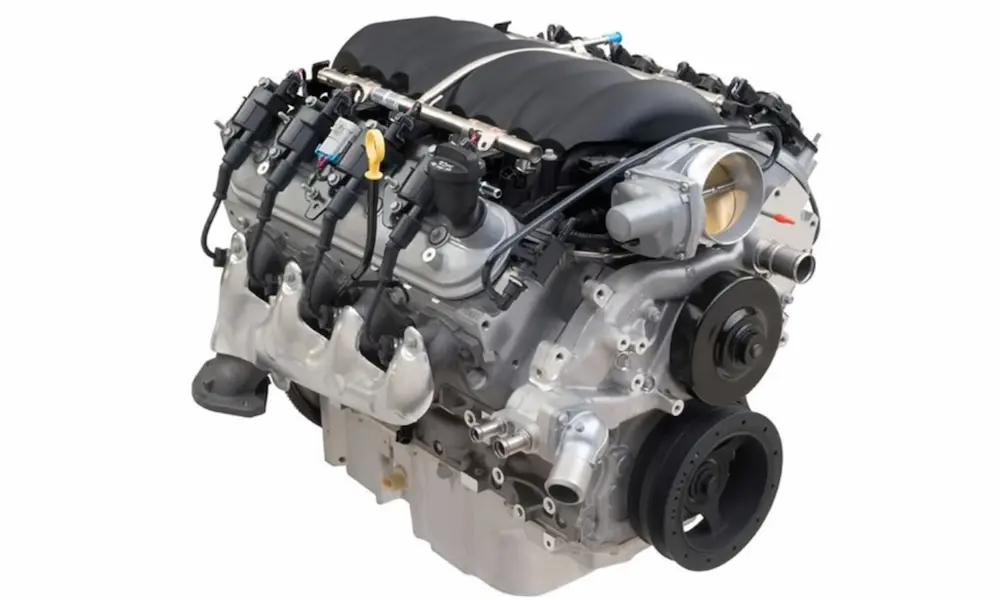
A four-cylinder engine in a full-size truck sounds like a bold move — and it is. The Chevy 2.7 Turbo (L3B) has impressed plenty of owners, but it’s also frustrated a fair share of them. If your Silverado is ticking, stalling, losing power, or throwing codes, this guide breaks down the most common Chevy 2.7 Turbo problems, what’s causing them, and what it’ll cost you to fix them.
What Makes the 2.7 Turbo Different From a Traditional Truck Engine
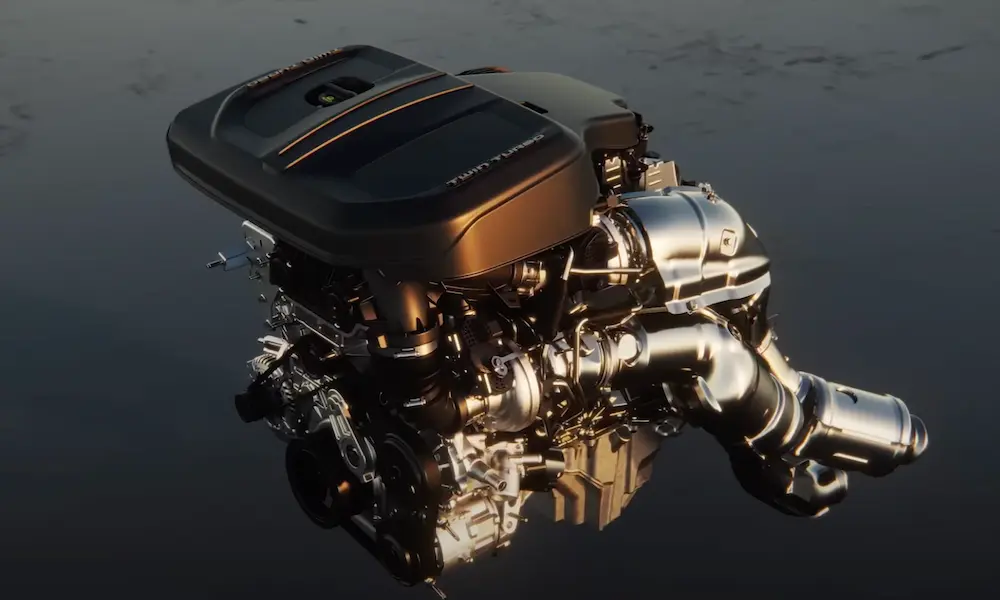
Before diving into the problems, it helps to understand what you’re dealing with. The 2.7L L3B isn’t a car engine crammed into a truck. GM built it from scratch as a purpose-built truck engine, using forged steel connecting rods, a forged crankshaft, cast-iron cylinder liners, and a dual-volute BorgWarner turbocharger that pushes up to 22 psi of boost.
That’s serious hardware. The bottom end is genuinely tough. But the systems built on top of that foundation — the AFM lifters, the direct injection setup, the high-pressure fuel system — that’s where things get complicated.
In 2022, GM stiffened the block, strengthened the crank, and bumped torque to 430 lb-ft under the “TurboMax” name. If you’re shopping used, model year matters a lot here.
Problem #1: Active Fuel Management (AFM) Lifter Failures
This is the big one. The AFM system shuts down two cylinders during light-load driving to save fuel. It does this using hydraulic lifters that “collapse” on command. It’s clever in theory. In practice? These lifters are a known headache across multiple GM engines — and the 2.7 Turbo isn’t immune.
When an AFM lifter fails, it can get stuck in the wrong position. That causes the camshaft lobe to hammer the roller with excessive force. If you ignore it long enough, you’re not just replacing lifters — you’re pulling the cylinder heads and replacing the camshaft too.
Symptoms to watch for:
- Loud ticking that shows up when the engine warms up
- Misfires (codes P0300–P0304)
- Stalling at idle or low speed
- Codes P3400 or P3401 (cylinder deactivation solenoid fault)
Lifter replacement typically runs $1,000–$2,000, depending on how far the damage has spread. Some owners have dealt with recurring failures even after replacement, which has fueled class-action litigation against GM over AFM durability.
Problem #2: Top-End Ticking From Lash Adjuster Debris
This is a separate issue from AFM, though it sounds similar. GM issued Preliminary Information Bulletins PIP6101 and PIP6101A for 2025 and 2026 model year trucks with the 2.7 Turbo.
The culprit? Manufacturing debris trapped inside the hydraulic lash adjusters. That debris blocks oil flow, making the adjusters go “soft.” Without proper hydraulic pressure, valve clearance goes off, and you get a rhythmic tick at hot idle.
GM says this doesn’t immediately damage the engine — but the fix isn’t a quick spray of WD-40. All 16 lash adjusters and all 16 rocker arms need replacing. It flags a real quality control issue in the production of high-precision valvetrain parts.
| Symptom | Codes | Likely Cause |
|---|---|---|
| Ticking at warm idle | P0300–P0308 | AFM lifter collapse or roller damage |
| Top-end tapping (no codes) | None | Soft hydraulic lash adjuster (debris) |
| Stalling | P3400, P3401 | Cylinder deactivation solenoid fault |
| Rough idle/misfire | P0300–P0304 | Carbon buildup or valvetrain timing |
Problem #3: Carbon Buildup on Intake Valves
Every direct-injection engine deals with this — including the 2.7 Turbo. Because the SIDI system sprays fuel directly into the cylinder (not upstream of the valve), the intake valves never get a fuel bath. They only see air and oil vapors from the PCV system. Over time, those vapors bake onto the hot valves and form thick carbon deposits.
The result is reduced airflow, sluggish acceleration, rough cold starts, and a measurable drop in fuel economy.
Your options:
- Oil catch can — Installs in the PCV line to trap vapors before they reach the intake. It’s preventive, not curative.
- Walnut blasting — The most effective fix. A technician uses pressurized walnut shell media to physically blast the deposits off the valves without damaging the metal. Cost: $450–$1,200.
Plan on walnut blasting every 50,000–60,000 miles if you want to keep the engine running cleanly.
Problem #4: Turbocharger Failures
The dual-volute turbo spins at over 100,000 RPM. That means it’s heavily dependent on clean, fresh oil to keep its bearings alive. When oil quality drops — whether from extended drain intervals or using the wrong viscosity — bearing wear accelerates fast.
Common turbo failure symptoms include:
- High-pitched whining noise under boost
- Blue smoke from the exhaust (oil burning)
- Loss of power at highway speeds
- Boost leaks from worn seals
A full turbo replacement runs $2,000–$3,000+. That’s not a small bill. The good news is that most turbo failures in the 2.7 Turbo trace back to maintenance neglect rather than a design flaw.
Problem #5: High-Pressure Fuel System Issues and the 2024 Injector Recall
The 2.7 Turbo uses a cam-driven High-Pressure Fuel Pump (HPFP) to feed the direct injectors. Contaminated fuel — with dirt, water, or debris — can damage internal seals and cause hard starting, stalling, or a no-start condition.
In early 2024, GM issued Emission Recall N232427950 for certain 2023 Silverados. The fuel injectors were manufactured with an incorrect flow rate, causing rough idle, poor acceleration, and emissions non-compliance. GM replaced all four injectors, seals, and fuel feed pipes at no charge.
A separate software update (Customer Satisfaction Program N242450631) addressed ECM calibration errors in 2019–2022 models that caused the injectors to deliver the wrong amount of fuel under specific driving conditions.
If you own a used 2023 model, confirm this recall has been completed before you buy.
Problem #6: Head Gasket Failures and the Block Casting Defect
This one’s less common, but serious enough to mention. Some 2022 model owners reported head gasket failures with as little as 20,000–40,000 miles on the clock. Symptoms include unexplained coolant loss, white exhaust smoke, and overheating. In bad cases, coolant intrudes into the cylinders and causes pitting on the cylinder walls — at which point you’re looking at a full engine replacement.
Separately, GM ran a repair campaign (N232415060) in early 2024 for a casting defect that caused cracks in the engine block’s main oil gallery. Only around 12 units were confirmed affected, but GM offered full engine replacements. A small number, but it added to the skepticism around the engine’s long-term durability.
Problem #7: “Reduced Engine Power” and Limp Mode
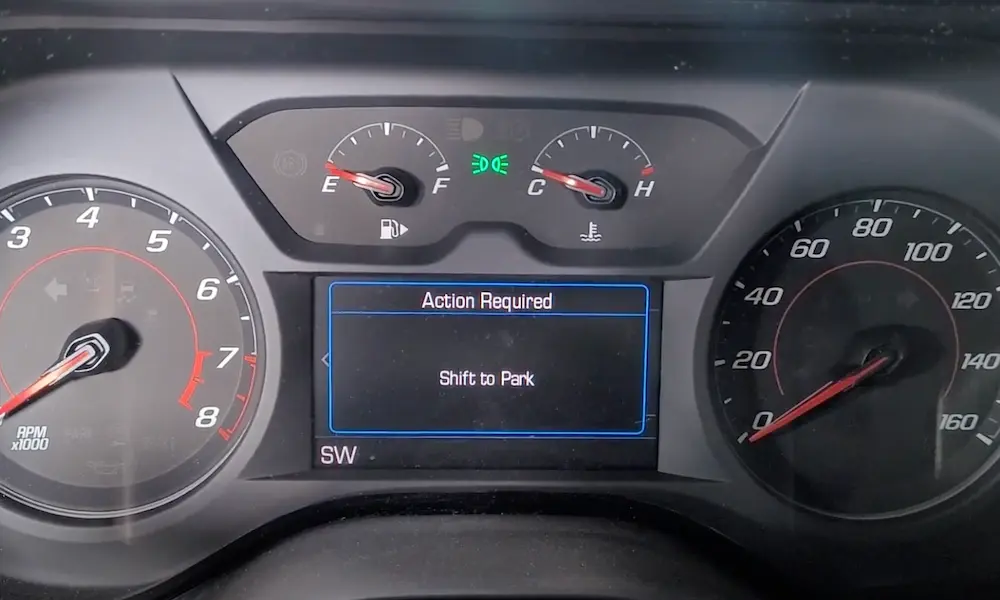
If your Silverado throws a “Reduced Engine Power” warning and suddenly drives like a golf cart, the engine has entered protective limp mode. The ECM triggers this when it detects something that could cause immediate damage.
Common triggers in the 2.7 Turbo:
- Throttle body contamination — Carbon buildup causes the throttle blade to stick, creating a conflict between the TPS reading and the ECM’s commanded position
- Faulty MAF or APP sensor — Bad sensor data mimics a powertrain fault
- Weak battery — Modern Silverados are sensitive to voltage drops; a slightly tired battery can trigger limp mode
- Code P3075 — ECM detects low coolant flow and cuts power to prevent overheating
| DTC Code | What It Means |
|---|---|
| P0120 / P0122 | Throttle Position Sensor fault → limp mode |
| P0300–P0304 | Cylinder misfires (carbon, plugs, or lifters) |
| P3075 | Coolant flow too low |
| P3400 / P3401 | AFM cylinder deactivation fault |
| P0606 | ECM internal processor error |
How to Keep the 2.7 Turbo Alive Longer
Here’s the honest truth: the 2.7 Turbo rewards owners who stay on top of maintenance and punishes those who don’t. It’s less forgiving than a naturally aspirated V8 because of the turbo, the AFM system, and the direct injection.
The most important rule: Change the oil more often than GM says. The factory recommends 7,500-mile intervals, but most experienced techs recommend 5,000 miles max — especially if you tow. The turbocharger’s heat shears oil faster, and degraded oil is the fastest path to lifter damage and turbo bearing failure.
Also, use the right oil. The 2.7 Turbo requires SAE 5W-30 full synthetic meeting dexos1 Gen 3. That’s different from the 0W-20 used in the 5.3L V8 — don’t mix them up.
| Maintenance Task | Factory Interval | Recommended Interval |
|---|---|---|
| Engine oil & filter | 7,500 miles | 5,000 miles |
| Engine air filter | 22,500 miles | 15,000 miles |
| Spark plugs | 60,000 miles | 40,000–60,000 miles |
| Carbon cleaning (walnut blasting) | Not specified | 50,000–60,000 miles |
| Coolant flush | 100,000 miles | 100,000 miles |
| Timing chain inspection | 100,000 miles | 100,000 miles |
Is the 2.7 Turbo Reliable Long-Term?
Fleet operators have reported examples reaching nearly 180,000 miles with minimal issues beyond routine maintenance. J.D. Power gave the 2025 Chevrolet Silverado a quality and reliability score of 84 out of 100 — “Great” by their standards — which suggests the worst of the early-production issues have been worked out.
The 2022+ TurboMax versions feature a stiffer block, a stronger crank, and improved software calibration. If you’re buying used, aim for a 2022 or newer and confirm all outstanding recalls are closed.
The engine’s bottom end is genuinely tough — forged internals, heavy-duty bearings, cast-iron liners. The risk comes from the systems around it: AFM lifters, direct injection carbon, and a turbocharger that demands clean oil. Treat those three things seriously, and the 2.7 Turbo can absolutely go the distance.