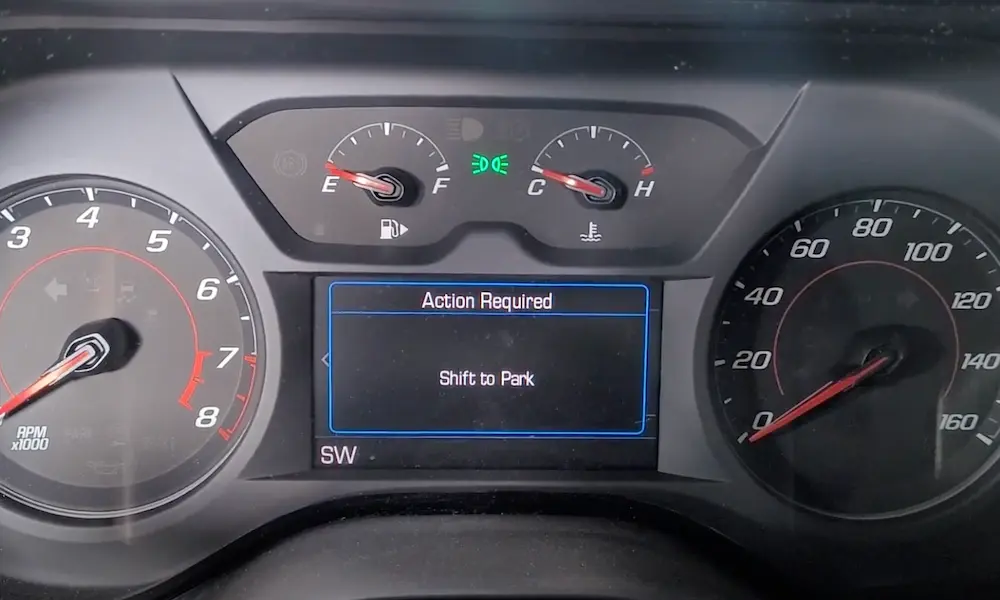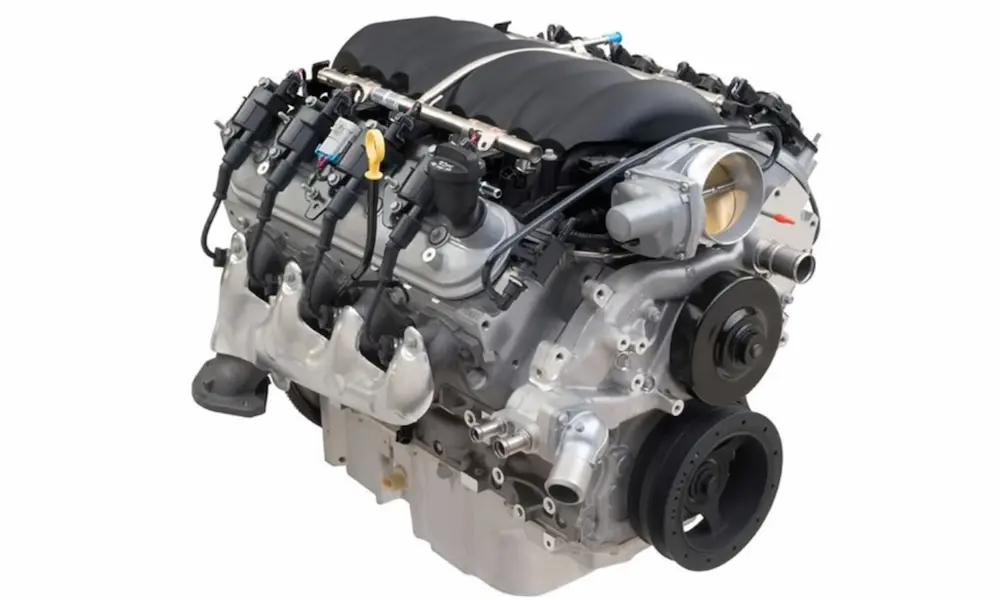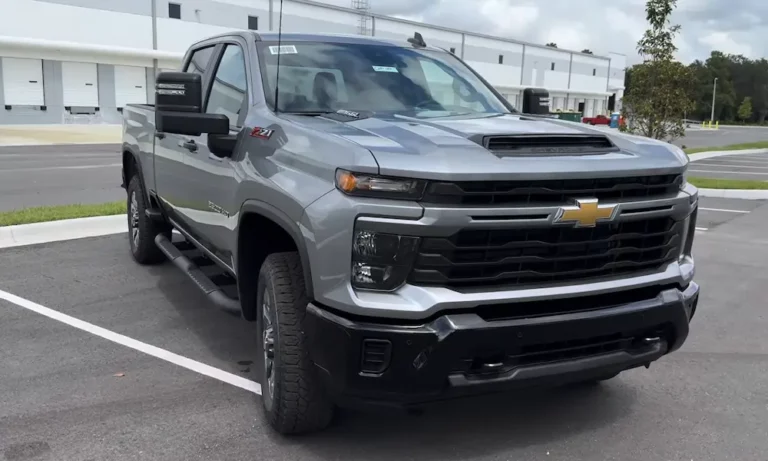
That ticking noise coming from your Silverado’s engine bay isn’t something you should ignore. Chevy 5.3 engine problems are real, well-documented, and expensive if you catch them late. This guide breaks down every major issue by generation, tells you what to watch for, and gives you honest repair costs — so read to the end before that small sound turns into a big bill.
The 5.3L Engine: Why It’s Both Loved and Frustrating
The Chevy 5.3L V8 has powered millions of Silverados, Tahoes, and Suburbans since 1999. The engine’s core architecture — often called the small-block LS — is genuinely tough. Well-maintained examples regularly clear 300,000 miles.
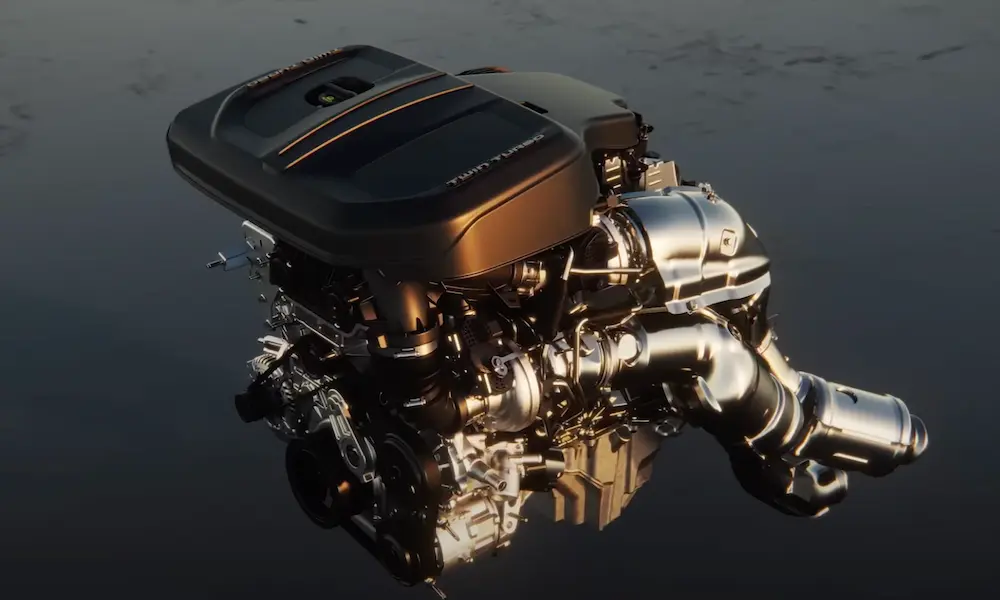
The problem? GM kept bolting increasingly complex technology onto that solid foundation. Cylinder deactivation systems, direct injection, and variable valve timing all promise better fuel economy. In practice, they introduce failure points that can turn a reliable truck into a money pit.
Here’s a quick look at how the engine evolved:
| Generation | Years | Engine Codes | Key Tech | Reliability Profile |
|---|---|---|---|---|
| Gen III | 1999–2007 | LM7, L59, L33 | Multi-port injection | Most reliable era |
| Gen IV | 2005–2014 | LC9, LMG, LH6 | AFM, VVT added | Moderate — AFM is risky |
| Gen V EcoTec3 | 2014–Present | L83, L84, L82 | Direct injection, DFM | Most failure-prone tech |
AFM Lifter Failure: The #1 Chevy 5.3 Engine Problem
Ask any Silverado owner what they fear most, and they’ll say lifters. Active Fuel Management (AFM) — GM’s cylinder deactivation system — is the primary cause of catastrophic engine damage in 5.3L trucks made between 2014 and 2021.
How AFM Works (And Why It Breaks)
AFM saves fuel by shutting down cylinders 1, 4, 6, and 7 at highway speeds. A component called the Valve Lifter Oil Manifold (VLOM) sends pressurized oil to specialized “collapsing” lifters. A small locking pin retracts, the lifter compresses, and those cylinders stop firing.
When it works, it’s clever. When it fails, it’s destructive.
Carbon buildup or metal fatigue causes the locking pin to stick. The lifter gets “collapsed” and can’t return to full height. You’ll hear a persistent tick or knock. Keep driving, and that lifter starts bouncing on the camshaft lobe, shaving metal into your oil. That metal travels through the entire oiling system — and now you’re looking at a new engine.
DFM Makes It Worse
GM introduced Dynamic Fuel Management (DFM) in 2019. Instead of deactivating four cylinders, DFM can operate in 17 different firing patterns — including as few as two active cylinders. Every cylinder now carries deactivation hardware. That doubles the failure points.
DFM systems are active roughly 60% of the time compared to 52% for AFM, so the wear happens faster.
Manufacturing Defects in 2020–2022 Models
This isn’t always a maintenance issue. A specific manufacturing window — September 2020 through March 2021 — produced lifters with faulty roller mechanisms. Owners reported failures under 20,000 miles with no signs of neglect. If you own a truck from this window, pay close attention to any ticking sounds early in the engine’s life.
Excessive Oil Consumption: Gen IV’s Dirty Secret
Gen IV trucks (2007–2014) are notorious for burning oil. Some owners lose more than one quart every 1,500 miles without a single visible drip under the truck.
Why the 5.3L Burns Oil
The AFM system creates a damaging feedback loop. When the engine runs in V4 mode, deactivated cylinders cool down rapidly. An AFM pressure relief valve simultaneously sprays oil onto the undersides of the pistons. Oil gets drawn past the piston rings.
Over time, that oil carbonizes inside the ring grooves. GM designed these rings with low tension to reduce friction and improve fuel economy — but low-tension rings stick easily. Once they’re stuck, they can’t scrape oil off the cylinder walls. The problem gets worse, fouling spark plugs and eventually destroying catalytic converters.
The PCV system compounds this by pulling oil vapor directly into the intake manifold. A design defect in the left valve cover baffle allows liquid oil to get sucked into the intake at high speeds. GM’s official fix involves replacing the valve cover with a redesigned unit and performing a piston cleaning procedure, as documented in Technical Service Bulletin #12-06-01-001.
Here’s how to read your oil consumption:
| Consumption Rate | Status | Warning Signs |
|---|---|---|
| Under 1 qt per 2,000 miles | Within normal range | Clean exhaust, no warning lights |
| Over 1 qt per 2,000 miles | Excessive | Blue smoke at startup, fouled plugs #1 and #7 |
| Over 1 qt per 1,000 miles | Critical | Low oil pressure light, P0300 misfire codes |
The Castech Cylinder Head Problem (1999–2007 Gen III)
If you drive an early 5.3L truck and notice coolant disappearing without any puddles under your vehicle, your cylinder heads might be the culprit.
Gen III engines equipped with Castech-manufactured heads — identified by casting numbers 706 and 862 — suffer from an aluminum porosity defect. It’s not a head gasket failure. The casting itself develops micro-cracks near the head bolt pillars, allowing coolant to seep into the oil.
The result is a yellow, mayonnaise-like sludge under your valve covers. Because the leak is internal, you won’t see external drips or white exhaust smoke. Glycol quietly destroys your oil’s lubricating ability, which accelerates wear on cam bearings and the crankshaft.
You can identify Castech heads by finding an embossed “C” logo beneath the rocker arm support rail. If you see it, replacement is your only real option. Using OEM non-Castech castings like 799 or 243 is the smartest path — they maintain proper compression and valvetrain geometry. A full shop-performed head replacement typically runs $2,900 to $3,500.
Direct Injection Carbon Buildup (Gen V EcoTec3)
Gen V trucks gained real horsepower (355 hp) when GM switched to direct injection on the EcoTec3. But that upgrade brought a new headache: carbon buildup on intake valves.
Multi-port injection sprayed fuel over the backs of the intake valves, which naturally kept them clean. Direct injection sends fuel straight into the combustion chamber, bypassing the valves entirely. Oil vapor from the PCV system bakes onto those hot valves with nothing to wash it away. Over time, the carbon restricts airflow and causes rough idling, power loss, and random misfires.
High-Pressure Fuel Pump Failures
The Gen V fuel system uses a mechanical high-pressure fuel pump (HPFP) driven by a trilobe on the camshaft, generating over 2,000 psi. When it fails, you’ll notice:
- Long cranking times before the engine fires
- Stuttering and hesitation under load
- Ticking noise from the front of the engine
- Power loss at highway speeds
The system is also extremely sensitive to contamination. DEF (Diesel Exhaust Fluid) accidentally added to the fuel tank causes immediate component failure. If low-side fuel pressure drops below 72 psi, the HPFP experiences cavitation damage — vapor bubbles imploding inside the pump can destroy it in a few hundred miles.
Low Oil Pressure Warnings and Sensor Screen Issues
A common Chevy 5.3 engine problem in 2007–2013 Silverados and Tahoes is a Low Oil Pressure warning appearing when your oil level is perfectly fine.
The real culprit is a small mesh screen beneath the oil pressure sensor at the rear of the engine. This screen protects the AFM solenoids from debris, but it clogs with carbon sludge. When clogged, it creates an artificially low reading at the sensor. You can dig into this issue further through NHTSA service documentation here.
On Gen V engines, a different issue emerges: the oil pump’s internal pressure relief valve can stick open. When this happens, the engine can’t hold pressure at idle, which triggers a P0521 trouble code. NHTSA technical service guidance on this specific failure is documented here. Diagnosing it requires testing at both the oil filter and the sensor port — there can be a 10 psi difference between the two locations.
Knock Sensors, Throttle Bodies, and Intake Gaskets
These issues aren’t catastrophic on their own, but they’ll definitely make your truck feel sick.
Knock sensor corrosion (1999–2006): The knock sensors sit in the engine valley under the intake manifold. Water from engine washing or heavy rain pools there and corrodes the sensors and wiring. The ECU responds by retarding timing — you lose power noticeably. Codes P0327 or P0332 confirm the problem. The fix requires pulling the intake manifold and sealing new sensor boots with RTV silicone to stop future water intrusion.
Throttle body and reduced power warnings: Gen IV and Gen V trucks frequently trigger “Reduced Engine Power” warnings. GM issued special coverage for 2008–2012 models where Throttle Position sensor terminals lose contact from vibration. In 2014 models, a faulty fuel pump pressure regulator caused identical symptoms and triggered a voluntary recall.
Intake gasket failure: The orange silicone gaskets in Gen III and Gen IV engines flatten after thousands of heat cycles. The result is vacuum leaks, lean-burn codes (P0171, P0174), and rough cold starts in winter — exactly when that contracted plastic manifold makes gaps worse.
Your Options: Fix, Delete, or Replace
Once you understand these Chevy 5.3 engine problems, you have three paths forward.
| Repair / Modification | Parts Cost | Labor Cost | Total |
|---|---|---|---|
| AFM Disabler Device | $150–$300 | $0 (DIY) | $150–$300 |
| Standard Lifter Replacement | $1,200–$1,500 | $1,000–$1,500 | $2,200–$3,000 |
| Full AFM/DFM Delete | $600–$1,200 | $1,200–$2,000 | $1,800–$3,500 |
| Engine Replacement | $3,500–$5,500 | $1,500–$2,500 | $5,000–$8,000 |
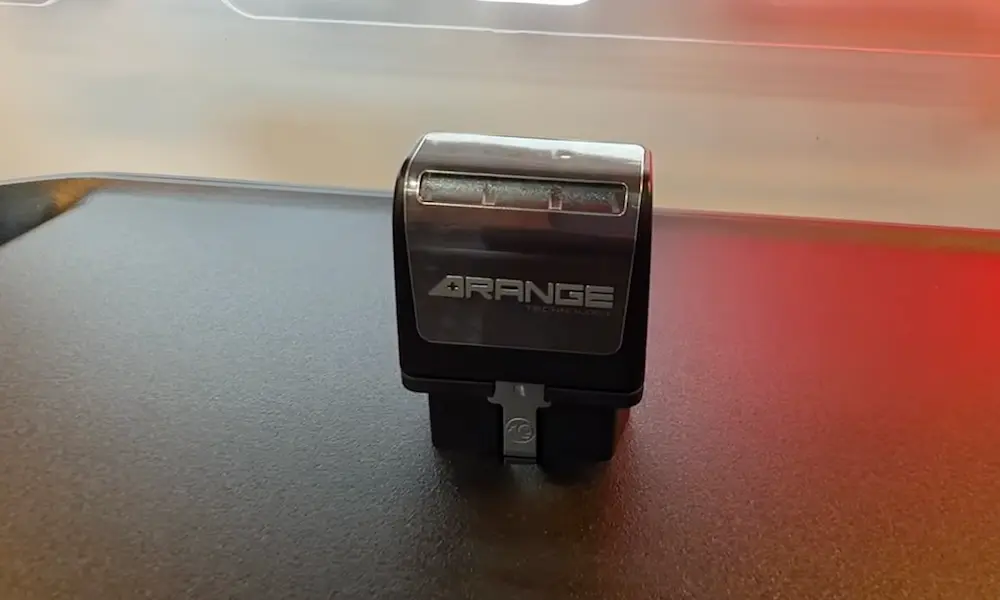
Electronic disablers (like the Range Technology device) plug into your OBD-II port and prevent the engine from entering cylinder deactivation mode. They stop the cycling that accelerates wear, but they don’t remove the failure-prone lifters.
A full AFM/DFM delete removes the camshaft, lifters, and valley cover, replacing everything with non-AFM parts. It’s permanent and requires an ECU tune, but it eliminates the root cause entirely.
If lifter failure has already sent metal shavings through your oiling system, a top-end repair won’t be enough. At that point, a full engine replacement is often the most cost-effective long-term answer.
Keeping Your 5.3L Alive
The 5.3L can absolutely reach 300,000 miles — but only if you treat it like the high-maintenance machine modern versions have become. Here’s your straightforward action plan:
- Change oil every 3,000–5,000 miles — don’t stretch intervals with AFM or DFM in the mix
- Install an oil catch can to prevent carbon buildup on Gen V intake valves
- Watch your oil level weekly, not just at oil changes
- Listen for ticking — catch it early and you have options; catch it late and you’re buying an engine
- Consider an AFM disabler if you own a 2014–present truck and want cheap, immediate protection
- Check your VIN if you own a 2020–2022 truck — the September 2020 to March 2021 manufacturing defect window may apply to you
The 5.3L block itself isn’t the problem. The technology stacked on top of it is. Stay ahead of these known issues and this engine will serve you well for years.