The Chevy 6.6 gas engine sounds great on paper — big torque, no DEF fluid, and thousands cheaper than the diesel. But real-world owners deal with real-world problems. This post breaks down the most common Chevy 6.6 gas problems, what causes them, and what you can actually do about them. Read to the end — the transmission section alone could save you from a nasty surprise.
What Is the Chevy 6.6 Gas Engine?
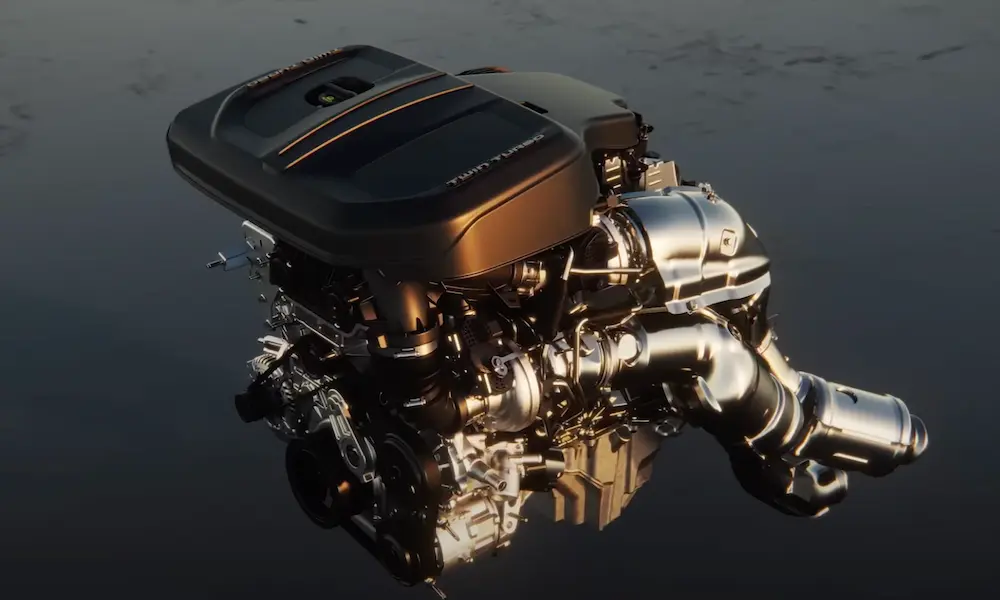
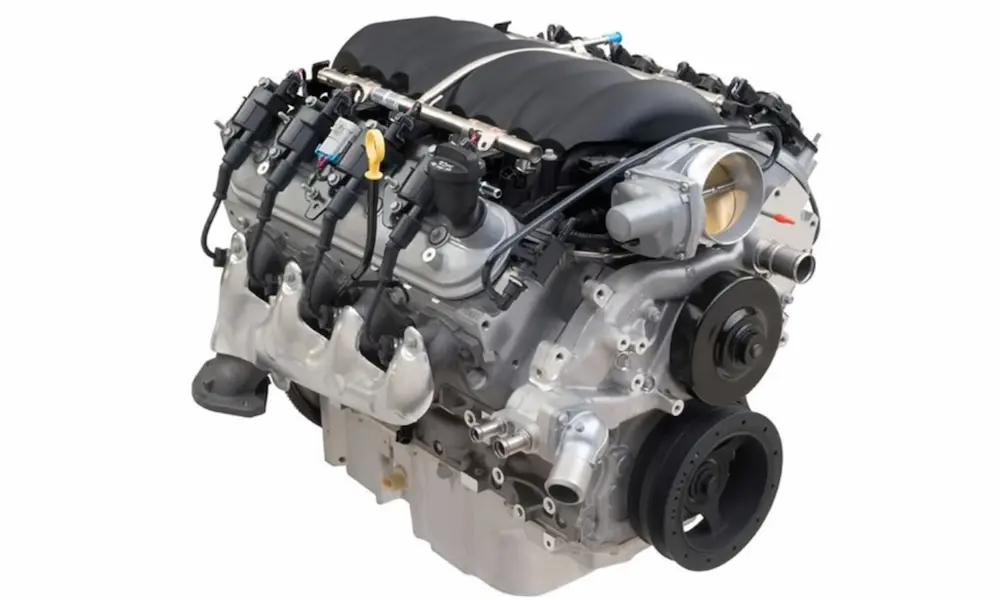
GM launched the 6.6L L8T gasoline V8 in 2020 as the standard engine for the Silverado 2500HD and 3500HD. It replaced the older 6.0L Vortec and produces 401 horsepower and 464 lb-ft of torque — a solid bump over its predecessor.
The engine uses a cast-iron block, a forged steel crankshaft, and direct injection. GM also left out Active Fuel Management (AFM), which was the main cause of lifter failures in the 5.3L and 6.2L engines. That decision was smart, and owners appreciate it.
But the L8T isn’t problem-free. Here’s what you’re likely to run into.
6.0L Vortec vs. 6.6L L8T: Quick Comparison
| Spec | 6.0L Vortec (L96) | 6.6L Gas (L8T) |
|---|---|---|
| Horsepower | 360 hp | 401 hp |
| Torque | 380–400 lb-ft | 464 lb-ft |
| Fuel System | Sequential Injection | Direct Injection |
| Cylinder Deactivation | Yes (some variants) | No |
| Crankshaft | Cast Iron | Forged Steel |
| Compression Ratio | 9.6:1 | 10.8:1 |
Chevy 6.6 Gas Problem #1: Excessive Oil Consumption
This is the most talked-about Chevy 6.6 gas problem. Owners report burning through a quart of oil every 1,000 to 1,500 miles — sometimes more during heavy towing.
GM actually issued TSB 03-06-01-023H defining what counts as “normal” oil use. For gas engines in trucks over 8,600 lbs GVW, GM considers one quart per 100 gallons of fuel acceptable. That’s frustrating to hear, but it’s their official stance.
Why Does It Burn So Much Oil?
The main culprit is low-tension piston rings. These rings reduce internal friction and help fuel economy numbers, but they don’t seal as tightly. Oil sneaks past the rings and burns in the combustion chamber. Some early production engines also had leaky rings from manufacturing variances.
What You Can Do
- Check your oil level every 1,000 miles — don’t rely on the oil life monitor
- Change oil every 5,000 miles regardless of what the monitor says
- If consumption exceeds one quart per 1,000 miles, document it and contact a dealer
Oil Consumption Breakdown by Condition
| Condition | Consumption Level | Notes |
|---|---|---|
| Normal highway driving | Moderate | Within GM’s acceptable range |
| Heavy towing | Higher | Increased pressure on rings |
| High RPM driving | Variable | More oil vaporization |
| Break-in period (0–4,000 miles) | Elevated | Normal until rings seat |
Chevy 6.6 Gas Problem #2: Oil Cooler Failures
The L8T uses an oil cooler integrated into the radiator assembly. When it fails, coolant and engine oil can cross-contaminate. That’s bad news for your engine and your wallet.
GM’s own service documentation states that if you suffer a major internal failure — like a spun bearing — you must replace the oil cooler, lines, and often the radiator. Metal debris gets trapped in the cooler’s internal passages, and you can’t clean them out reliably.
Watch for these signs of oil cooler failure:
- Milky or foamy oil on the dipstick
- Coolant with an oily sheen
- Unexplained coolant loss with no external leak visible
Chevy 6.6 Gas Problem #3: Transmission Trouble
The transmission paired with your 6.6 gas engine matters a lot. And it’s one of the most significant Chevy 6.6 gas problems depending on your model year.
2020–2023: The 6L90 Six-Speed
The 6L90 is a tough, overbuilt transmission that handles the L8T’s torque without breaking a sweat. Most owners consider it reliable. Its main weakness is fewer gears, which means the engine works harder on steep grades while towing.
Common 6L90 issues include:
- Torque converter clutch (TCC) shudder
- TEHCM module failures
- Overheating under sustained heavy loads
- Valve body pressure leaks at high mileage
2024+: The 10L1000 Ten-Speed and a Serious Recall
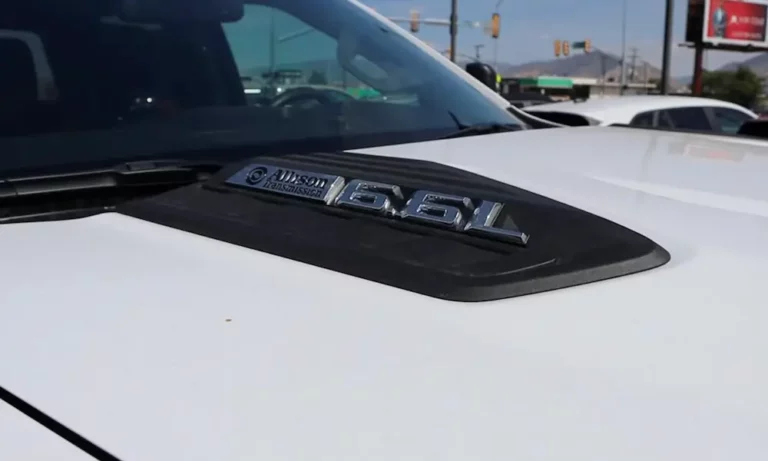
The 10L1000 carries the Allison name but GM designs and builds it. It shifts smoother and tows better, but it came with a major safety defect.
Safety recall N242454440 covers a valve body flaw that can lock the rear wheels while driving. Internal oil leaks prevent valves from closing fully, causing the transmission to engage two gears at once. At highway speed, that’s a crash hazard.
GM’s fix includes a software update and a service kit (part #24240953) with a new separator plate, valve, and larger spring. If you own a 2024+ truck and haven’t had this done, check with your dealer immediately.
Transmission Comparison
| Feature | 6L90 (6-Speed) | 10L1000 (10-Speed) |
|---|---|---|
| First Gear Ratio | 4.03:1 | 4.54:1 |
| Max Torque Rating | ~550 lb-ft | 1,000 lb-ft |
| Weight | ~240 lbs | ~360 lbs |
| Main Weakness | Limited gear spacing | Valve body reliability |
Chevy 6.6 Gas Problem #4: Cooling System Failures
Overheating is a real concern, especially if you tow hard in hot weather. RepairPal data points to the water pump and radiator as the two most common failure points.
Around 24% of Silverado HD overheating cases trace back to thermostat failure alone. A stuck-closed thermostat overheats the engine fast. A stuck-open one prevents the engine from reaching operating temperature and triggers a Check Engine light.
Common cooling system failures on the 6.6 gas:
- Water pump: Look for coolant seeping from the weep hole or a white residue trail on the front of the engine
- Thermostat: Engine overheats quickly or never reaches operating temp
- Radiator: Plastic end tanks crack from thermal stress, especially under towing pressure
- Hose connections: Loose fittings cause sudden coolant loss
Because the L8T’s oil cooler sits inside the radiator, a cooling failure can become an oil contamination event fast. Pressure-test your cooling system annually if you tow regularly.
Chevy 6.6 Gas Problem #5: Carbon Buildup on Intake Valves
Direct injection is efficient, but it creates a specific problem: carbon buildup. With port injection, fuel sprays onto the back of the intake valves and washes them clean. With direct injection, fuel goes straight into the cylinder — so the valves never get cleaned.
Oil vapor from the PCV system bakes onto the valves over time, forming hard carbon deposits. This restricts airflow, causes rough idle, and can lead to misfires.
Carbon Buildup Timeline
| Mileage | Status | Action |
|---|---|---|
| 0–50,000 miles | Early buildup | Monitor, no action needed yet |
| 50,000–100,000 miles | Moderate coking | Consider fuel induction service |
| 100,000+ miles | Significant buildup | Walnut blasting may be required |
Get the valves cleaned every 100,000 miles at minimum. If you do lots of short trips or idle heavily in cold weather, bump that up to every 75,000 miles. An oil catch can also reduces how much vapor reaches the intake.
Chevy 6.6 Gas Problem #6: Sensor and Electrical Failures
The L8T’s Engine Control Module (ECM) relies on a network of sensors. When one fails, symptoms range from annoying to dangerous.
Key sensors and what happens when they fail:
- Crankshaft Position Sensor (CKP): Causes intermittent stalling, no-start conditions, and RPM gauge dropping to zero. A weak CKP signal can also throw the engine into limp mode
- Knock Sensor: At 10.8:1 compression, this sensor is critical. A failed knock sensor means the ECM can’t protect the engine from pre-ignition. You’ll hear metallic pinging, especially under load
- Mass Air Flow (MAF): Causes poor acceleration, rich/lean codes, and black smoke
- Fuel Tank Pressure Sensor: Leads to inaccurate fuel gauge and EVAP trouble codes
Rodent damage to wiring harnesses is also surprisingly common. Check your harnesses if you get unexplained sensor codes.
Chevy 6.6 Gas Problem #7: Integrated Trailer Brake Controller
If you tow, you’ve probably seen the “Service Trailer Brake System” message. It’s a known frustration. The ITBC is extremely sensitive to voltage feedback.
The most common trigger: your trailer has an onboard battery (for breakaway brakes or RV appliances) that’s being charged by solar or shore power. If the trailer’s battery voltage exceeds the truck’s system voltage, the ITBC reads a false short-to-ground and kills the braking circuit.
GM’s official fix involves replacing the ITBC switch and reprogramming the instrument panel cluster. Also check:
- Corrosion in the 7-pin trailer connector
- Fuse #25 (30A) in the underhood fuse box
Active Recalls You Need to Know About
Several active recalls affect the 6.6 gas platform. Check your VIN at NHTSA.gov for all open campaigns.
- Dual fuel tank stalling: GM recalled 11,000+ trucks (2025–2026 models) for an ECM software glitch that causes stalling even with fuel in the tank
- Power tailgate short circuit: Over 130,000 vehicles (2020–2024) recalled for water intrusion that can unlatch the tailgate while driving
- Connecting rod bearing investigation: NHTSA opened a probe into roughly 877,000 GM vehicles for catastrophic bearing failures, primarily in the 6.2L but flagging Gen V platform commonality
Is the 6.6 Gas Worth It vs. the Diesel?
For most owners who tow between 8,000 and 12,000 lbs, the 6.6 gas holds its own. It’s $9,000–$10,000 cheaper upfront, quieter, and skips all the diesel-specific headaches: no DEF fluid, no DPF, no EGR system.
Fuel Economy Comparison: Gas vs. Diesel
| Condition | 6.6L L8T Gas | 6.6L Duramax Diesel |
|---|---|---|
| Unloaded highway | 14–17 mpg | 19–22 mpg |
| Heavy towing (12k lbs) | 7–9 mpg | 10–13 mpg |
| Purchase price premium | Baseline | +$9,000–$10,000 |
| Emissions equipment | None | DEF, DPF, EGR |
If you consistently haul over 15,000 lbs or work at high altitude, the diesel’s 910–975 lb-ft of torque and exhaust braking make a real difference. But for moderate-duty use and long-term simplicity, the 6.6 gas is a strong choice.
The Bottom Line on Chevy 6.6 Gas Problems
The 6.6L L8T isn’t a lemon. It’s a capable, straightforward engine that handles heavy work well. But it does have specific weak spots: oil consumption, valve body issues in the 10-speed, carbon buildup, and a finicky trailer brake controller. Stay on top of maintenance, check for open recalls, and change your oil more frequently than the monitor suggests. Do that, and this engine will serve you well for a long time.