Is your Chevy’s climate control acting up? Maybe the temperature won’t change, or you hear an annoying clicking noise whenever you adjust the settings. The culprit might be your blend door actuator. This guide will show you exactly where to find these pesky components in various Chevy models and what to do when they fail.
What Is a Chevy Blend Door Actuator?
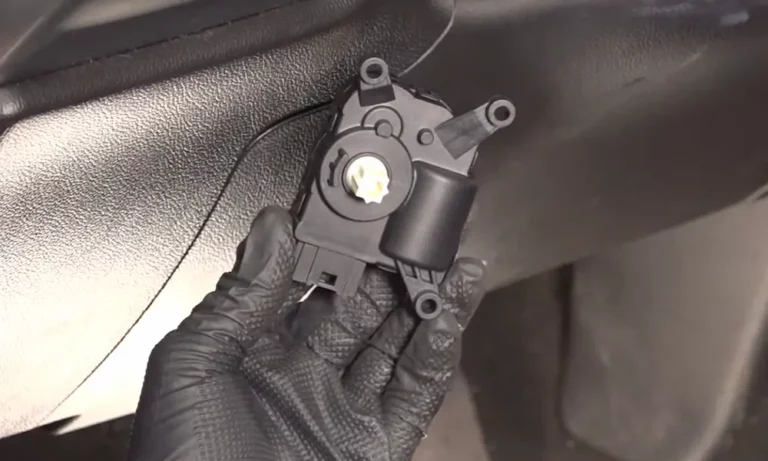
A blend door actuator is a small electric motor that controls the flow of air in your Chevy’s heating and cooling system. It moves the blend doors – physical flaps that direct air through different paths in your HVAC system. When you adjust your temperature dial, these actuators spring into action, mixing hot and cold air to get your desired cabin temperature.
Most Chevrolet vehicles don’t just have one actuator – they have multiple actuators controlling different functions:
- Temperature actuators (control hot/cold air mix)
- Mode actuators (control where air comes out – floor, dash, defrost)
- Recirculation actuators (control fresh vs. recirculated air)
General Location of Blend Door Actuators in Chevys
In nearly all Chevy vehicles, the blend door actuator is positioned behind the dashboard, near the HVAC box housing the heater core and evaporator. While exact positions vary by model, there’s a pattern:
- Most actuators are mounted directly to the HVAC box
- Many are located on the passenger side under the dashboard
- Access often requires removing or manipulating the glove box
Chevy Silverado Blend Door Actuator Locations
1999-2006 Silverado Models
The temperature blend door actuator in these older Silverados is tucked behind the dashboard. To access it:
- Remove dashboard components
- Locate the actuator secured with three 7mm screws
- Unplug the electrical connector before removing
Video demonstrations show this process requires some dashboard disassembly, but it’s doable for DIYers with basic tools.
2007-2014 Silverado Models
These trucks with automatic climate control have multiple actuators in different locations:
- Driver’s side temperature actuator: Found on the passenger side under a cover just right of the console
- Passenger side temperature actuator: Located behind the center dash panel
- Mode selector actuator: Positioned on the driver’s side above the gas pedal
The Silverado’s blend door actuator placement requires different approaches depending on which one has failed.
2015+ Silverado Models
Newer Silverados follow similar patterns but with updated mounting systems. The primary blend door actuator locations remain under the dashboard on both driver and passenger sides.
Chevy Equinox Blend Door Actuator Location
2010-2017 Equinox
In the Equinox, the blend door actuator is positioned underneath the passenger side dashboard. Access requires:
- Removing the glove box
- Locating the actuator on the HVAC box
- Removing three screws with a 1/4 inch socket
This relatively accessible location makes replacing the Equinox’s actuator simpler than in some other models.
Chevy Impala Blend Door Actuator Location
2004-2016 Impala
Impala models typically feature three blend door actuators:
- Passenger temperature actuator: Behind the glove box on the left side
- Mode actuator: To the right of the blower motor behind the glove box
- Driver temperature actuator: Above the gas pedal on the driver’s side
The Impala’s multi-actuator system requires identifying which specific unit has failed before replacement.
Chevy Tahoe and Suburban Blend Door Actuator Location
2007-2014 Models
In these larger SUVs, the blend door actuator is located underneath the lower dash panel of the glove box. The removal process requires:
- Taking out mounting bolts holding the plastic dash cover on the passenger side
- Accessing the actuator mounted to the HVAC box
Owners of these models can find detailed guidance for accessing their specific actuators.
How to Access Chevy Blend Door Actuators
Glove Box Removal Technique
Most actuator replacements begin with glove box removal:
- Open the glove box fully
- Press down on the top portion to clear the retaining tabs
- Allow it to hang freely toward the floor
- Some models require complete removal – check your specific year/model
This access technique creates enough space to reach most passenger-side actuators.
Essential Tools for Actuator Replacement
Before starting, gather these common tools:
- 5.5mm socket
- 7mm socket
- 1/4 inch ratchet
- Phillips head screwdriver
- Trim removal tools
Having the right tools makes the replacement process much smoother.
How to Identify Which Actuator Has Failed
If your Chevy’s climate control is misbehaving, you need to determine which actuator needs replacement. Here’s how:
Listen for the Click
Bad actuators often make a distinctive clicking or ticking noise when you:
- Change temperature settings
- Switch between modes (defrost, vent, floor)
- Toggle the recirculation button
Feel for the Vibration
While the clicking occurs:
- Reach under the dash near the suspected actuator
- Touch each actuator while adjusting settings
- The problematic unit will vibrate while making the noise
This hands-on diagnostic approach helps narrow down exactly which component needs replacement.
Common Blend Door Actuator Problems in Chevys
Symptoms of Failure
Watch for these telltale signs:
- Temperature won’t change despite adjustment
- Clicking or grinding noises when adjusting climate controls
- Air only comes from certain vents
- Inability to switch between fresh and recirculated air
Temperature Issues by Model
| Chevy Model | Common Actuator Issue | Typical Location |
|---|---|---|
| Silverado | Driver’s side temp won’t change | Passenger side under dash |
| Equinox | Blows only hot or cold air | Behind glove box |
| Impala | Inconsistent temperature | Multiple locations (see above) |
| Tahoe/Suburban | Mode door stuck in one position | Under glove box dash panel |
DIY Replacement vs. Professional Help
DIY Difficulty Level by Model
| Chevy Model | DIY Difficulty | Estimated Time | Special Tools Needed |
|---|---|---|---|
| Silverado 1999-2006 | Medium | 45-60 minutes | Trim tools, socket set |
| Silverado 2007+ | Medium-Hard | 60-90 minutes | Torx bits, socket set |
| Equinox | Easy-Medium | 30-45 minutes | Standard socket set |
| Impala | Medium | 45-60 minutes | Trim tools, socket set |
| Tahoe/Suburban | Medium-Hard | 60-90 minutes | Trim tools, various sockets |
Buying the Correct Replacement Actuator
When purchasing a replacement actuator, always verify:
- The specific actuator function (temperature, mode, etc.)
- Compatibility with your exact model year
- OEM vs. aftermarket options
Actuators are not universal across the Chevy lineup. The wrong actuator won’t fit properly or function correctly.
Preventing Future Blend Door Actuator Problems
To extend the life of your new actuators:
- Avoid forcing temperature or mode controls when they resist
- Keep your cabin air filter clean to reduce strain on the HVAC system
- Don’t slam the recirculation button repeatedly
- Address unusual noises early before complete failure occurs
Summary: Quick Location Reference Guide
Here’s a quick reference for Chevy blend door actuator locations:
- General rule: Behind dashboard, often passenger side near HVAC box
- Silverado models: Multiple actuators; primary ones behind glove box and above gas pedal
- Equinox: Behind glove box on passenger side
- Impala: Three main actuators – behind glove box and above gas pedal
- Tahoe/Suburban: Under lower dash panel by glove box
Remember that the exact blend door actuator location can vary slightly between years of the same model. When in doubt, consult your vehicle’s specific service manual or look for model-specific tutorials online.
With this guide, you’re now equipped to locate, diagnose, and potentially replace your Chevy’s blend door actuator – saving yourself time and money on a common repair that dealerships often charge hundreds to fix.