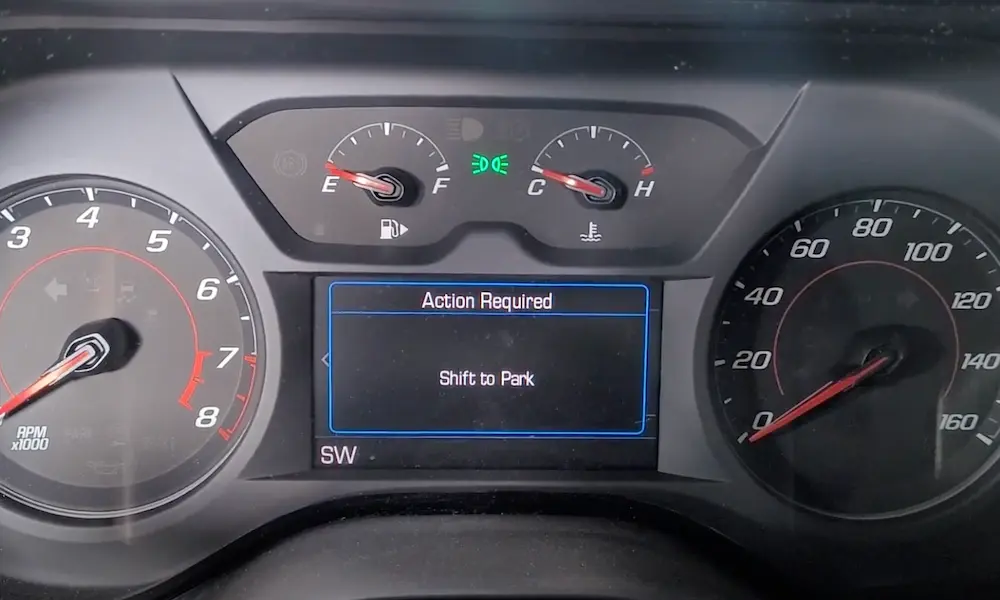
Is that amber glow on your dashboard causing anxiety? You’re looking at one of the most misunderstood features of your Chevy Tahoe – the check engine light. Behind that simple symbol lies a complex diagnostic system waiting to tell you exactly what’s wrong with your vehicle.
Understanding OBD-II Diagnostics in Your Tahoe
Your Chevy Tahoe uses an On-Board Diagnostic (OBD-II) system that constantly monitors everything from your engine performance to emissions control. When something goes wrong, the system stores a specific trouble code and triggers that dreaded light.
Each code follows a pattern: a letter followed by four numbers. For instance, “P” stands for powertrain issues (engine and transmission), while the numbers pinpoint the exact problem. These codes aren’t random – they’re your first clue to what’s actually happening under the hood.
How to Access Your Tahoe’s Codes
You have several options to retrieve these diagnostic codes:
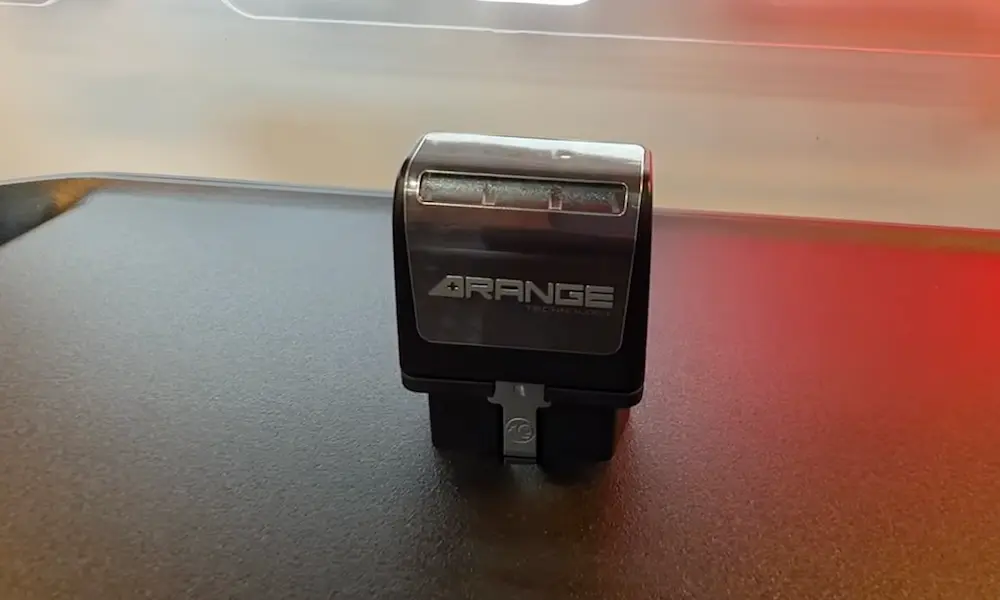
- OBD-II Scanner – Basic models start around $30, with professional-grade scanners costing $200-500
- Bluetooth OBD-II Adapters – Connect to your smartphone for $15-40
- Dealership or Auto Parts Store – Many offer free code reading services
Most scanners will display both the code (like P0455) and a brief description (like “EVAP System Leak Detected”). This information is your starting point for troubleshooting.
Top 5 Common Check Engine Light Codes in Chevy Tahoes
P0455: EVAP System Large Leak Detected
This code indicates your evaporative emissions system has a significant leak. The EVAP system prevents fuel vapors from escaping into the atmosphere.
Common causes:
- Loose or damaged gas cap (most common)
- Cracked EVAP hoses
- Faulty purge valve
- Damaged charcoal canister
What you’ll notice:
- Check engine light
- Possible fuel smell
- No performance issues typically
DIY fix possibility: HIGH
Your first step should always be checking your gas cap. Ensure it clicks at least three times when tightening. This simple step resolves many P0455 codes! For a proper cap, expect to pay $15-30 if replacement is needed. According to the NHTSA, a loose gas cap is one of the most common reasons for check engine lights.
P0101: Mass Air Flow Sensor Performance
Your Tahoe’s Mass Air Flow (MAF) sensor measures the amount of air entering the engine, helping the computer determine how much fuel to inject. When it’s not reading correctly, your engine won’t run efficiently.
Common causes:
- Dirty or contaminated sensor
- Damaged wiring to the sensor
- Air leaks before the sensor
- Sensor failure
What you’ll notice:
- Rough idle
- Hesitation during acceleration
- Poor fuel economy
- Stalling
DIY fix possibility: MODERATE
Often, cleaning the MAF sensor with specialized cleaner ($10) resolves this issue. Just locate the sensor between the air filter box and throttle body, disconnect it, spray it thoroughly with MAF cleaner, and let it dry completely before reinstalling. If cleaning doesn’t work, replacement costs $100-300 depending on model year and if you DIY or hire a mechanic.
P0171/P0174: System Too Lean (Bank 1/Bank 2)
These codes indicate your engine is receiving too much air or not enough fuel, creating a “lean” condition that can damage your engine over time.
Common causes:
- Vacuum leaks
- Clogged fuel injectors
- Dirty MAF sensor
- Failing oxygen sensors
- Fuel pressure issues
What you’ll notice:
- Engine misfires
- Rough idle
- Hesitation during acceleration
- Reduced power
- Poor fuel economy
DIY fix possibility: LOW TO MODERATE
Diagnosing these codes requires methodical troubleshooting. Start with checking for vacuum leaks using a smoke test or by listening for hissing sounds around the intake manifold. Clean your MAF sensor (as described above) and inspect for intake manifold gasket leaks. If basic checks don’t resolve the issue, you may need professional diagnosis with specialized equipment.
P0300: Random/Multiple Cylinder Misfire
This code indicates combustion failures occurring in multiple cylinders rather than just one. It’s essentially your engine telling you it’s struggling to run properly.
Common causes:
- Worn spark plugs
- Failing ignition coils
- Bad fuel injectors
- Vacuum leaks
- Low fuel pressure
- Internal engine problems
What you’ll notice:
- Rough running engine
- Vibration or shaking
- Lack of power
- Poor fuel economy
- Check engine light might flash during misfires
DIY fix possibility: MODERATE
Start with the basics: replace spark plugs ($30-60 for all) if they’re old or worn. Inspect ignition coils for damage and test with a multimeter. Check for loose or damaged plug wires. More severe cases might require professional diagnosis, especially if internal engine problems are suspected.
P0420: Catalyst System Efficiency Below Threshold
This code indicates your catalytic converter isn’t efficiently cleaning exhaust gases as designed. The catalytic converter reduces harmful emissions by converting them to less toxic substances.
Common causes:
- Aging catalytic converter
- Engine misfires damaging the converter
- Oil or coolant contamination
- Oxygen sensor failures
What you’ll notice:
- No obvious symptoms besides check engine light
- Possibly reduced fuel economy
- Failed emissions tests
DIY fix possibility: LOW
Catalytic converter replacement is expensive ($800-2,500) and should be a last resort. First, rule out other issues by checking for exhaust leaks, replacing oxygen sensors if they’re old, and ensuring no other codes are present. Before replacing the converter, address any underlying issues like misfires that might have damaged it.
Using Diagnostic Tools to Pinpoint Problems
Basic OBD-II Scanner Operations
Modern code readers do far more than just display codes. Here’s how to maximize their capabilities:
- Live Data Stream – View real-time sensor readings to spot abnormalities
- Freeze Frame – See engine conditions when the code was set
- Clear Codes – Reset the system after repairs
When using an OBD-II scanner, pay special attention to fuel trim values. Long-term fuel trim readings above 10% often indicate vacuum leaks, while negative values might suggest a rich condition.
Beyond the Code Reader
For more complex issues, consider these advanced diagnostic approaches:
Smoke Testing – The gold standard for finding EVAP and vacuum leaks. A machine pumps harmless smoke into the system, making leaks visible. Professional shops offer this service for $50-100.
Fuel Pressure Testing – Critical for diagnosing fuel system issues. Your Tahoe’s fuel pressure should typically be between 55-65 psi. Low pressure can trigger lean condition codes.
Compression Testing – Measures the pressure in each cylinder to detect internal engine problems. Low readings might indicate worn piston rings, bad valves, or head gasket issues.
| Test Type | What It Detects | DIY Possibility | Tool Cost |
|---|---|---|---|
| OBD-II Scan | Error codes, sensor data | High | $30-200 |
| Smoke Test | EVAP/vacuum leaks | Low | $200-500 (rental possible) |
| Fuel Pressure | Fuel delivery issues | Moderate | $40-100 |
| Compression | Internal engine problems | Moderate | $30-100 |
The Real Cost of Ignoring Check Engine Lights
It might be tempting to ignore that dashboard warning, but consider these potential consequences:
Performance and Efficiency Impacts
Even “minor” codes like P0455 (EVAP leak) can reduce fuel economy by 1-2 MPG. More serious issues like misfires (P0300) or lean conditions (P0171/P0174) can slash your efficiency by 10-20% and reduce power noticeably.
Preventing Cascading Failures
Many issues start small but escalate quickly. For example:
- A simple misfire left untreated can damage your catalytic converter, turning a $200 repair into a $1,500+ expense
- A minor vacuum leak causing a P0171 code might eventually lead to damaged valves from running lean
- EVAP system issues might seem insignificant but can compromise fuel system integrity over time
Emissions and Inspection Concerns
If your state requires emissions testing, most check engine lights will cause automatic test failures. Additionally, modern catalytic converters contain precious metals and are designed to last the vehicle’s lifetime. Premature replacement isn’t just expensive—it’s environmentally wasteful.
DIY Diagnosis: Step-by-Step Approach
Essential Tools for Home Diagnosis
Start building your diagnostic toolkit with these essentials:
- Basic OBD-II Scanner – BlueDriver ($100) or ANCEL AD310 ($35) are great starter options
- Digital Multimeter – For electrical testing ($20-40)
- Vacuum Gauge – Helps identify engine vacuum issues ($20-30)
- Fuel Pressure Tester – Critical for fuel system diagnosis ($40-60)
Systematic Troubleshooting Process
Follow this method to avoid wasting time and money:
- Scan for Codes – Always start here to narrow down potential causes
- Research the Specific Code – Check manufacturer technical service bulletins (TSBs) for known issues
- Visual Inspection – Check connections, wires, and components before replacing parts
- Test Before Replace – Use your multimeter and other tools to verify component failure
- Fix the Cause, Not the Symptom – A P0420 code might be triggered by an oxygen sensor, not a bad catalytic converter
Reading Engine Data Correctly
Modern scanners provide real-time data that can be invaluable for diagnosis:
- Short Term Fuel Trim (STFT) – Shows immediate fuel adjustments
- Long Term Fuel Trim (LTFT) – Shows adaptation over time
- Oxygen Sensor Voltage – Should fluctuate between 0.1V and 0.9V
- MAP/MAF Readings – Indicates airflow and engine load
Values outside normal ranges can point to specific problems even when other symptoms aren’t obvious.
Preventative Maintenance to Avoid Check Engine Lights
Regular maintenance dramatically reduces the chances of seeing that dreaded dashboard light.
Critical Maintenance Items
- Air Filter Replacement – Every 15,000-30,000 miles to prevent MAF sensor contamination
- Quality Fuel – Using reputable stations helps prevent fuel system issues
- Timely Oil Changes – Dirty oil contributes to sensor failures and internal engine problems
- Spark Plug Replacement – Follow manufacturer recommendations (typically 60,000-100,000 miles)
- Fuel System Cleaning – Consider a fuel system service every 30,000 miles
Early Warning Signs to Watch For
Pay attention to these subtle indicators before they trigger a check engine light:
- Hesitation During Acceleration – Often the first sign of fuel or ignition problems
- Rough Idle – Can indicate vacuum leaks or misfires developing
- Reduced Fuel Economy – Track your mileage; a sudden drop may indicate developing issues
- New Noises – Clicks, taps, or hisses can signal problems before the computer detects them
Understanding Your Tahoe’s Emissions Systems
Many check engine codes relate to emissions systems that most drivers don’t fully understand.
The EVAP System Explained
The Evaporative Emission Control System prevents fuel vapors from escaping into the atmosphere. Key components include:
- Charcoal Canister – Stores fuel vapors when the engine is off
- Purge Valve – Allows stored vapors to be burned in the engine
- Vent Valve – Controls airflow in the system
- Pressure Sensor – Monitors system integrity
EVAP codes (P0440-P0457) are common in Tahoes and often start with the simplest component: the gas cap.
Oxygen Sensors and Fuel Trim
Your Tahoe uses multiple oxygen sensors to measure exhaust composition and adjust fuel delivery accordingly. These sensors:
- Help maintain the ideal 14.7:1 air-fuel ratio
- Monitor catalytic converter efficiency
- Enable proper fuel economy and emissions control
Failing oxygen sensors often trigger P0131-P0175 codes and can mimic more serious engine problems.
Getting Professional Help When Needed
Finding a Qualified Technician
Not all mechanics are created equal, especially for complex diagnostic issues. Look for:
- ASE Certification (Automotive Service Excellence)
- Experience with GM vehicles specifically
- Shops with dealer-level diagnostic equipment
- Positive reviews mentioning successful diagnosis of check engine light issues
Questions to Ask Your Mechanic
Before authorizing expensive repairs:
- “What testing was done to confirm the diagnosis?”
- “Could this problem be caused by something else?”
- “Are there any related issues that should be addressed at the same time?”
- “What would happen if I delayed this repair?”
Cost Expectations for Common Repairs
| Code | Common Repair | DIY Cost | Professional Cost |
|---|---|---|---|
| P0455 | Gas cap replacement | $15-30 | $30-70 |
| P0101 | MAF sensor replacement | $100-200 | $250-400 |
| P0171/P0174 | Vacuum leak repair | $20-100 | $200-500 |
| P0300 | Spark plug/coil replacement | $100-250 | $300-600 |
| P0420 | Catalytic converter | $400-800 | $1,000-2,500 |