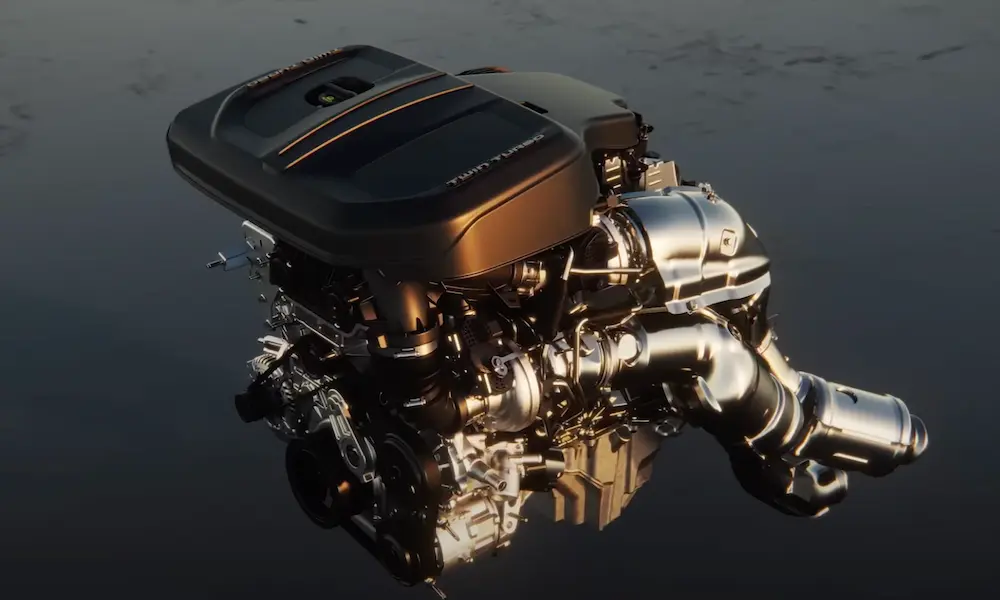
Are strange engine noises keeping you up at night? Does your car guzzle oil like it’s going out of style? You might be dealing with cylinder deactivation problems – a surprisingly common issue in many modern vehicles. While this technology was designed to improve fuel efficiency, it often creates headaches for owners instead.
What Is Cylinder Deactivation and How Does It Work?
Cylinder deactivation is a fuel-saving technology that temporarily shuts down some cylinders in your engine when you don’t need full power. When cruising on the highway or driving at steady speeds, your vehicle might only need half its cylinders to maintain momentum.
The system works by stopping the intake and exhaust valves from opening in selected cylinders. With the valves closed, these cylinders essentially take a break, reducing fuel consumption by up to 20% in ideal conditions.
Common Cylinder Deactivation Systems
Different manufacturers have their own versions of this technology:
| Manufacturer | System Name | Vehicles Commonly Affected |
|---|---|---|
| General Motors | Active Fuel Management (AFM) or Dynamic Fuel Management (DFM) | Silverado, Sierra, Tahoe, Suburban, Corvette, Camaro |
| Honda/Acura | Variable Cylinder Management (VCM) | Odyssey, Pilot, Ridgeline, MDX |
| Dodge/Chrysler | Multi-Displacement System (MDS) | Ram trucks, Charger, Challenger with HEMI engines |
| Ford | Active Fuel Management | F-150, Mustang GT |
Common Cylinder Deactivation Problems
1. Excessive Oil Consumption
One of the most frequent complaints is abnormal oil consumption. When cylinders deactivate, a partial vacuum can form that draws oil past the piston rings into the combustion chamber.
In Honda V6 engines with VCM, oil consumption often exceeds 1 quart per 1,000 miles, particularly affecting the rear cylinder bank. GM’s 6.2L engines with AFM show similar issues, with consumption rates up to 40% higher than non-AFM engines.
Signs of excessive oil consumption include:
- Constantly low oil level
- Blue exhaust smoke
- Fouled spark plugs
- Check engine light with misfire codes
2. Valvetrain Component Failures
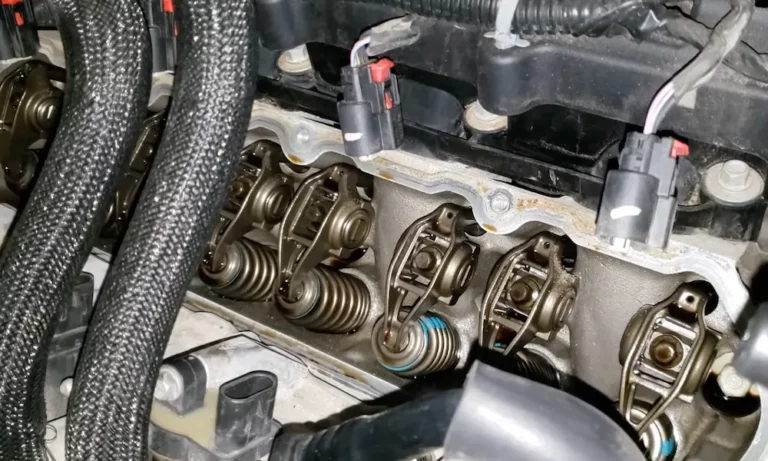
Cylinder deactivation relies on precise control of valve operation, but these components often wear prematurely.
GM’s AFM system has become notorious for collapsed lifters and camshaft lobe wear. The lifters utilize locking pins that engage and disengage via oil pressure, but contamination can cause these pins to bind, leading to lifter collapse. When lifters fail to extend fully, they create excessive clearance, resulting in that dreaded engine tick.
Honda’s VCM systems face similar issues where accumulated sludge can impair rocker arm locking mechanisms, leading to expensive cylinder head repairs.
3. Mysterious Engine Noises
If your engine has developed an annoying tick, knock, or chirp, cylinder deactivation might be the culprit.
These noises typically indicate:
- Collapsed lifters (GM vehicles)
- Failed solenoids (Chrysler MDS)
- Worn rocker arms (Honda VCM)
- Damaged camshaft lobes
The “Hemi Tick” in Dodge/Chrysler vehicles and the “AFM Lifter Tick” in GM products have become so common that entire aftermarket industries have developed around fixing these problems.
4. Solenoid and Actuator Malfunctions
Electro-hydraulic solenoids control oil flow to the deactivation components. Over time, these solenoids become susceptible to clogging from oil contamination.
In Chrysler’s MDS system, failed solenoids may prevent reactivation of deactivated cylinders, leaving the engine stuck in reduced-power mode. The result is rough idling, poor acceleration, and that characteristic “Hemi Tick.”
5. Vibration and Drivability Issues
When cylinders deactivate, the engine’s balance changes, potentially causing vibrations that transmit through the vehicle.
Honda’s VCM system has become particularly notorious for vibration problems that lead to premature engine mount failures. These vibrations are especially noticeable during “ECO” mode activation in Odyssey minivans and Pilot SUVs.
Real-World Examples of Cylinder Deactivation Failures
GM’s AFM System: A Litigation Nightmare
GM’s Active Fuel Management has become a poster child for cylinder deactivation problems. As of 2023, class-action lawsuits alleged GM concealed AFM-related defects affecting over 2 million vehicles.
Many owners report repair costs averaging $6,000 for lifter and camshaft replacements—often occurring well before 100,000 miles. The system increases load on oil pumps due to higher pressure demands (up to 75 psi vs. 45 psi in non-AFM engines), leading to premature pump failures and insufficient lubrication.
Honda VCM Issues: Oil Consumption and Vibration
Honda’s VCM system, featured in V6-equipped vehicles since 2005, has its own set of problems. Excessive vibration during three-cylinder operation damages engine mounts and creates unpleasant driving experiences.
Oil consumption issues have become so prevalent that aftermarket solutions like the VCM Tuner have emerged, which disable the deactivation system entirely by manipulating coolant temperature sensor signals.
Chrysler’s MDS Headaches: The “Hemi Tick”
Chrysler’s Multi-Displacement System in 5.7L HEMI engines often exhibits a characteristic ticking sound when solenoids fail. When MDS solenoids malfunction, some vehicles get stuck in “ECO” mode with permanently deactivated cylinders, resulting in disappointing power and rough idling.
Prevention and Maintenance Tips
Oil Change Best Practices
Since oil quality plays a critical role in cylinder deactivation problems, proper maintenance is crucial:
- Use manufacturer-specified synthetic oils: For GM vehicles, use dexos1 Gen 3 specification oils. Honda recommends their Genuine 0W-20 synthetic.
- Change oil more frequently: Reduce oil change intervals to 3,000–5,000 miles instead of the manufacturer-recommended 7,500–10,000 miles to minimize sludge formation.
- Check oil level regularly: Make it a habit to check your oil level weekly, especially in known problem vehicles.
Aftermarket Solutions
Many owners choose to disable or modify cylinder deactivation systems:
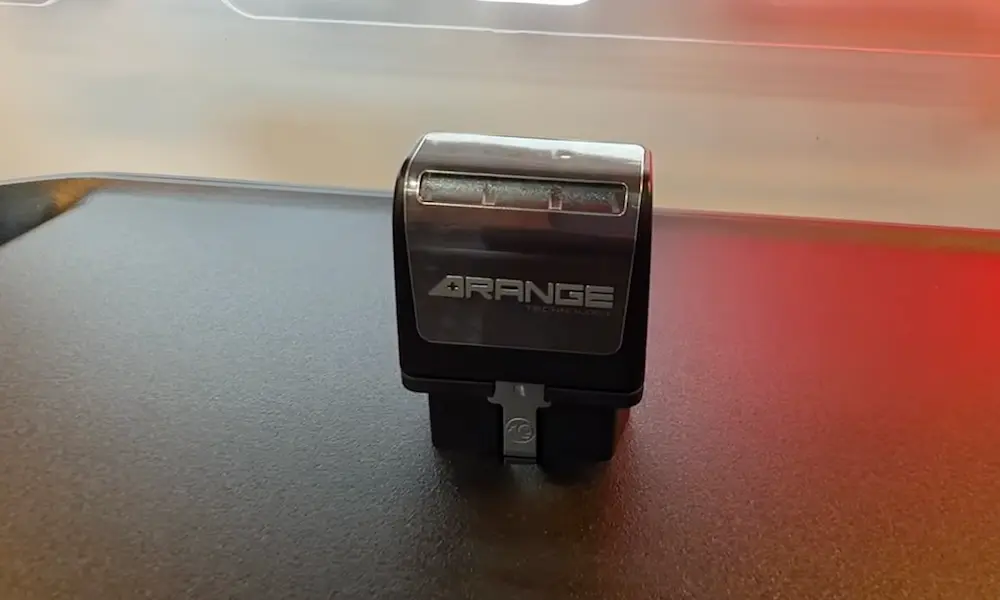
- AFM/DFM Disablers: Products like the Range AFM Disabler for GM vehicles or the Tazer for Dodge/Chrysler prevent cylinder deactivation without affecting other engine functions.
- VCM Muzzler/Tuner: For Honda/Acura vehicles, these devices trick the ECU into thinking conditions aren’t right for cylinder deactivation.
- Lifter Replacement: Some owners preemptively replace factory lifters with more durable aftermarket versions designed to withstand the stresses of cylinder deactivation.
Driving Habits That Help
Your driving style can influence how often cylinder deactivation activates:
- Avoid extended highway cruising at steady speeds where deactivation is most active
- Use manual shift modes when available to keep the engine in lower gears
- Apply slight throttle changes during steady-state driving to force all cylinders to remain active
The Future of Cylinder Deactivation Technology
Manufacturers are addressing these issues in newer models:
- Dual-Phase Lifters: Ford’s 5.0L Coyote engine employs lifters with redundant locking mechanisms and hardened rollers, reducing failure rates compared to earlier designs.
- Active Vibration Cancellation: Acura’s newer models integrate accelerometer-driven active engine mounts that dynamically adjust damping rates to address vibration complaints.
- Improved ECU Programming: Modern systems activate deactivation less aggressively and provide smoother transitions between modes.
Some manufacturers are even moving away from cylinder deactivation entirely, replacing it with mild hybrid systems that achieve similar fuel economy benefits without the mechanical complexity.
Is It Worth Fixing or Disabling?
When faced with cylinder deactivation problems, you have several options:
- Fix and maintain the system: This works best for newer vehicles still under warranty.
- Disable the system: A popular choice for out-of-warranty vehicles to prevent future failures.
- Replace with non-AFM/VCM/MDS parts: Some owners convert their engines to use standard lifters and camshafts that don’t support deactivation.
- Trade for a different vehicle: If problems persist or repair costs are too high, trading for a model without cylinder deactivation might make sense.
The choice ultimately depends on your budget, how long you plan to keep the vehicle, and your tolerance for potential future issues.
Cost Comparison: Repair vs. Prevention
| Solution | Typical Cost | Pros | Cons |
|---|---|---|---|
| OEM Lifter Replacement | $2,000-$6,000 | Restores factory functionality | Same components may fail again |
| Aftermarket Disabler | $200-$400 | Prevents future failures, improves reliability | Slightly reduced fuel economy |
| Full Conversion to Non-AFM/VCM Parts | $3,000-$8,000 | Permanent solution with improved reliability | Expensive, may void warranty |
| Regular Oil Changes (3,000-5,000 miles) | $240-$480 yearly | May prevent problems, maintains warranty | No guarantee of preventing failures |
The Bottom Line on Cylinder Deactivation Problems
While cylinder deactivation technology offers meaningful fuel economy benefits in ideal circumstances, the long-term reliability issues have proven significant for many owners. The technology represents a classic engineering trade-off: improved efficiency at the cost of increased complexity and potential failures.
If you own a vehicle with cylinder deactivation, becoming familiar with the warning signs of problems and maintaining a proactive maintenance schedule is your best defense against expensive repairs. And if you’re shopping for a new vehicle, understanding these issues will help you make an informed decision about whether the fuel savings are worth the potential headaches down the road.