Got a 3.0L Duramax diesel and wondering which oil actually works — and which ones just claim to? This guide cuts through the noise. You’ll find the right dexos D 0W-20 equivalent, why the spec matters more than you think, and where to grab it without overpaying. Stick around — the wrong oil choice here can cost you thousands.
What Is dexos D 0W-20 and Why Does It Exist?
GM didn’t create dexos D to sell more oil. They created it because modern light-duty diesel engines — especially the 3.0L Duramax — simply can’t survive on old-school diesel oil.
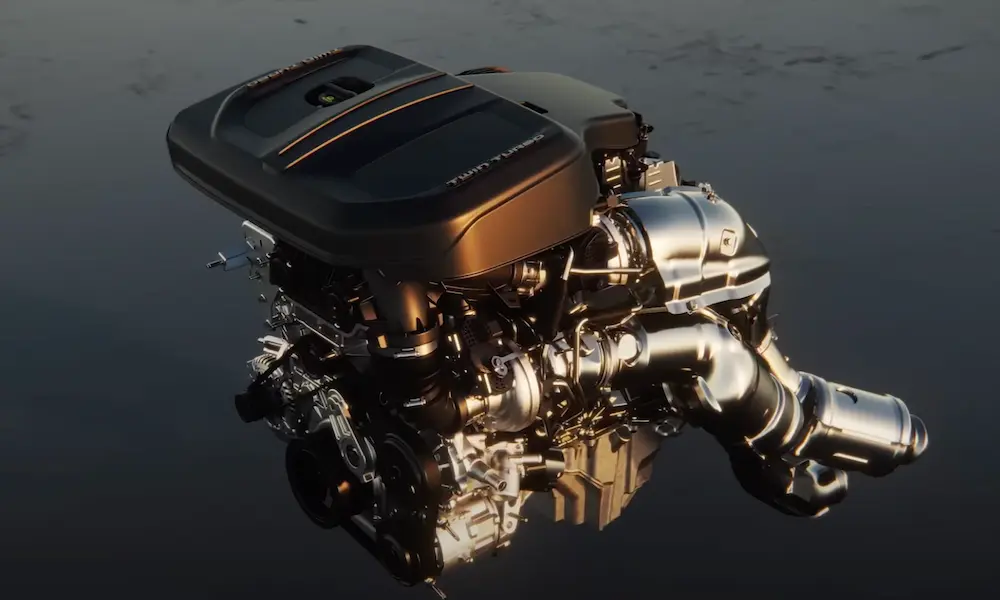
Here’s the short version: older diesel oils ran thick grades like 15W-40 or 5W-40. Those worked fine for big commercial engines with loose tolerances. The 3.0L Duramax is a precision machine. It runs tight bearing clearances, a variable geometry turbocharger, and a rear-mounted timing system that demands instant oil flow at startup.
GM introduced the dexos brand in 2010 to bring all their global oil requirements under one roof. By 2019, dexos D became the mandatory standard for all new light-duty diesel models in the US — replacing dexos 2 for these engines entirely.
The “D” stands for diesel. It’s not a marketing label. It signals that this oil is chemically engineered for diesel combustion byproducts, diesel particulate filters (DPF), and selective catalytic reduction (SCR) systems.
The Technical Stuff That Actually Matters
You don’t need a chemistry degree. But you do need to understand why dexos D 0W-20 has specific limits — because it explains why you can’t just grab any 0W-20 off the shelf.
Viscosity: Thin Enough to Flow, Tough Enough to Protect
A 0W-20 oil flows like water in the cold but thickens slightly at operating temperature. For the 3.0L Duramax, that balance is critical. Here’s what dexos D demands:
| Property | Test Method | dexos D 0W-20 Benchmark |
|---|---|---|
| Kinematic Viscosity at 100°C | ASTM D445 | 8.0–8.9 mm²/s |
| Cold Cranking at -35°C | ASTM D5293 | 5,280–5,590 cP |
| HTHS at 150°C | ASTM D5481 | 2.6–2.78 cP |
| Pour Point | ASTM D97 | -40 to -60°C |
| Flash Point | ASTM D92 | 201–230°C |
The High Temperature High Shear (HTHS) value is the one to watch. At 2.7 centipoise, the oil stays thin enough to save fuel but thick enough to prevent metal contact under hard load — like towing through mountain passes in July.
In cold northern states, a dexos D 0W-20 flows roughly 25% better than standard synthetic oils below -20°F. That means critical engine components get lubrication almost instantly on cold starts — which is when most engine wear happens.
Low-SAPS Chemistry: Protecting Your Exhaust System
This is the big one. dexos D oils use what’s called low-SAPS chemistry — that’s low Sulfated Ash, Phosphorus, and Sulfur.
Your Duramax diesel has a DPF and an SCR system downstream. When your engine burns tiny amounts of oil during normal operation, those combustion byproducts travel into your exhaust system. High-ash oils leave non-combustible residue that permanently clogs your DPF. High-phosphorus oils poison your SCR catalytic surface.
Once that ash builds up, you can’t burn it off. You replace the filter. That’s potentially thousands of dollars.
dexos D oils use organic-based anti-wear agents and advanced detergents that clean soot and protect engine internals — without leaving metallic residue behind.
The Best dexos D 0W-20 Equivalents You Can Actually Buy
There are two categories here: oils that GM officially licensed, and oils that meet the same underlying technical standards.
Officially Licensed dexos D Brands
These carry a “DD” license number from GM. They’re verified to meet warranty requirements for any vehicle specifying dexos D 0W-20.
| Licensed Brand | Supplier | Where to Buy in the US |
|---|---|---|
| ACDelco Light Duty Diesel 0W-20 | General Motors | Dealerships, Amazon, eBay |
| Mobil 1 ESP X2 0W-20 | ExxonMobil | Walmart, AutoZone, Advance Auto |
| Valvoline Full Synthetic dexos D 0W-20 | Valvoline | NAPA, O’Reilly, Auto Value |
| Castrol EDGE Turbo Diesel 0W-20 | Castrol | AutoZone, O’Reilly, Walmart |
| DuraMAX Full Synthetic dexos D 0W-20 | RelaDyne | Fleet Suppliers, Service Centers |
ACDelco Light Duty Diesel 0W-20 is the factory-fill oil. It’s the baseline every other oil gets measured against. If you want zero uncertainty, this is it.
Mobil 1 ESP X2 0W-20 is the community favorite. It uses a high concentration of polyalphaolefin (PAO) base oils for extreme thermal stability. It’s the top pick among 3.0L Duramax owners on forums and Reddit threads alike.
Valvoline Full Synthetic dexos D earns points for oxidation stability. NAPA carries it in five-gallon buckets — useful if you’re changing oil frequently or maintaining a fleet.
Castrol EDGE Turbo Diesel holds the official dexos D license and sits in the Euro Car section at Walmart. Don’t let the placement confuse you — it’s fully compliant.
Industry Specification Equivalents
No licensed oil nearby? These international specs share the same core requirements and serve as legitimate technical equivalents:
- ACEA C5 / C6 — European standards for after-treatment-compatible oils. ACEA C6 adds extra timing chain and pre-ignition protection. It’s an excellent high-tier dexos D equivalent.
- Mercedes-Benz 229.71 / 229.72 — High-performance European diesel specs that overlap significantly with 3.0L Duramax requirements.
- Ford WSS-M2C952-A1 — Ford’s light-duty diesel standard. Same 0W-20 viscosity, same emission system compatibility.
- Volkswagen 508.00 / 509.00 — Sometimes called “Blue Oil.” A very high-spec 0W-20 standard for modern European engines that aligns closely with dexos D.
- Opel OV0401547 — Created after Opel separated from GM. Maintains the dexos D technical requirements for the European market.
The AMSOIL Option
AMSOIL’s 0W-20 Synthetic Diesel Oil (DP020) isn’t officially licensed by GM, but it’s formulated specifically to meet or exceed the dexos D standard. Third-party testing shows wear protection that exceeds standard benchmarks by up to 600%. It’s a strong pick if you plan to keep your truck well past the warranty period.
Which Vehicles Actually Need dexos D 0W-20?
The demand comes almost entirely from GM’s light-duty diesel lineup. Here’s the fitment breakdown:
| Brand | Model | Engine | Oil Capacity |
|---|---|---|---|
| Chevrolet | Silverado 1500 | 3.0L Duramax Turbo-Diesel | 7 Quarts |
| GMC | Sierra 1500 | 3.0L Duramax Turbo-Diesel | 7 Quarts |
| Chevrolet | Tahoe | 3.0L Duramax Turbo-Diesel | 7 Quarts |
| Chevrolet | Suburban | 3.0L Duramax Turbo-Diesel | 7 Quarts |
| GMC | Yukon / Yukon XL | 3.0L Duramax Turbo-Diesel | 7 Quarts |
| Cadillac | Escalade / Escalade ESV | 3.0L Duramax Turbo-Diesel | 7 Quarts |
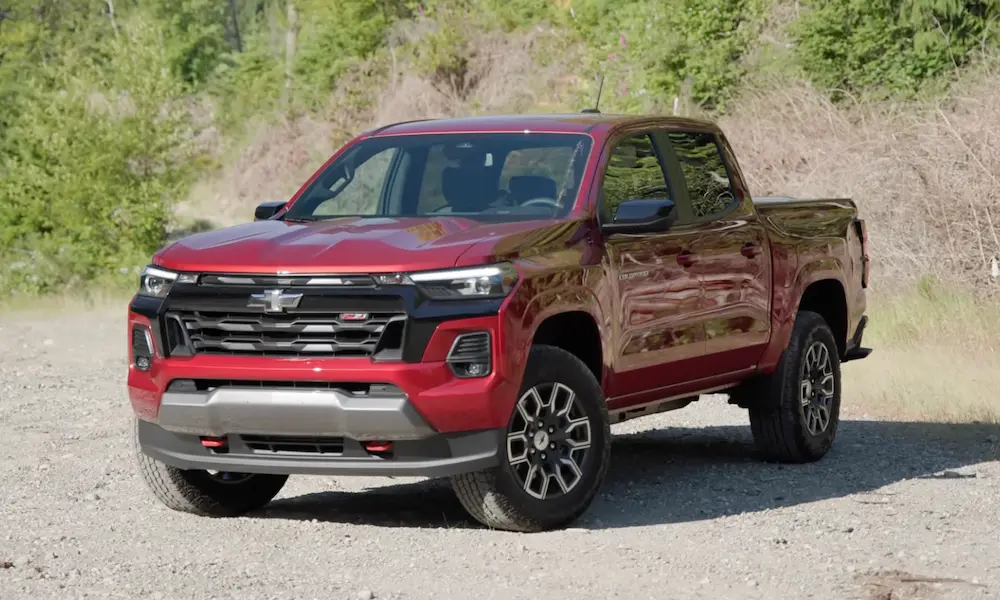
The 3.0L Duramax (LM2 and LZ0) is the primary application. Some Chevrolet Cruze Diesel models and certain Cadillac diesel variants also require dexos D certified oils.
Using the wrong oil — like a standard gasoline oil or a high-ash 15W-40 heavy-duty diesel — can destroy the turbocharger bearings or permanently clog the DPF. That’s not a hypothetical risk. It happens.
dexos D vs. dexos 1 Gen 3: Don’t Confuse These
This trips up a lot of owners. Both come in 0W-20. They’re not interchangeable.
dexos 1 Gen 3 is for gasoline engines. It handles different combustion byproducts and carries a different chemical package than dexos D. If you pour dexos 1 into a Duramax diesel, you’ll get inadequate soot handling and likely clog your DPF faster than you’d expect.
The spec divergence reflects how specialized modern oil has become. The tighter the engine tolerances, the narrower the margin for error on the lubricant.
What dexos D Does for Your Engine Long-Term
Timing Chain and Turbocharger Protection
dexos D oils provide up to 40% better timing chain wear protection than standard oils. Timing chain stretch causes synchronization issues between the crankshaft and camshaft — leading to poor performance, increased emissions, and expensive internal damage.
Turbochargers are equally sensitive. When oil lacks thermal stability, it “cokes” — it leaves carbon deposits on turbocharger bearings after shutdown. Those deposits act like sandpaper. dexos D’s oxidative stability prevents coking and keeps the turbo functional for the life of the vehicle.
Fuel Economy Gains
Moving from 5W-30 or 5W-40 down to 0W-20 delivers a measurable fuel efficiency improvement of 1.5–2.8%. That’s not massive for any single driver. Across millions of vehicles, the greenhouse gas reduction is significant — which is part of why GM made the switch mandatory.
Oil Change Intervals and the Oil Life Monitor
GM’s Oil Life Monitor calculates remaining oil life based on driving conditions, engine temperature, and idle time. Under normal mixed driving, the recommended interval is 7,500 miles or 12 months — whichever comes first.
Heavy towing, commercial hauling, or extended cold-weather idling qualify as severe service. In those cases, the monitor may flag a change as early as 3,000–5,000 miles. Follow the monitor, but always refill with a proper dexos D equivalent. Don’t mix in a random 0W-20 to top off.
Where to Buy dexos D 0W-20 in the US
| Retailer | Best For | Typical Brands |
|---|---|---|
| Walmart | Lowest price, 5-qt jugs | Mobil 1, Castrol |
| AutoZone / O’Reilly | Individual quarts, filters | Mobil 1, Castrol, ACDelco |
| NAPA | Bulk purchases, fleet use | Valvoline, NAPA brand |
| Amazon / eBay | Multi-quart packs, OEM cases | ACDelco, Mobil 1, AMSOIL |
| DmaxStore / Rudy’s Performance | Complete oil change kits | ACDelco, PPE filters |
Walmart is your best value play for five-quart jugs of Mobil 1 ESP X2 — typically $30–$40. Just look in the Euro Car section, not the diesel aisle.
For individual quarts and filters, AutoZone and O’Reilly are the most reliable local options. Specialty retailers like DmaxStore bundle seven quarts with the correct filter — a clean one-stop solution for DIY oil changes on the 3.0L Duramax.
Bulk ACDelco cases on Amazon or eBay can drop the per-quart cost below $9 — worth it if you change your own oil and want the OEM product.
Quick Reference: What to Look For on the Label
Before you buy any dexos D 0W-20 equivalent, confirm these three things:
- “dexos D” logo or “DD” license number — Check the official GM dexos licensed brands list if you’re unsure
- 0W-20 viscosity grade — Not 0W-30, not 5W-20
- “Diesel” or “Light Duty Diesel” designation — Diesel-specific chemistry, not a gasoline oil in disguise
Stick to those three checkpoints and you’ll pick the right oil every time.