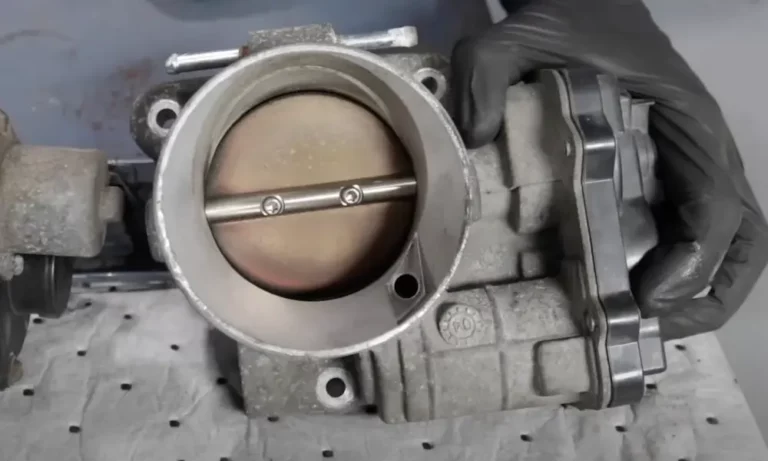
A throttle body relearn is needed when you replace or clean your Ford’s electronic throttle body, or after disconnecting the battery. Your Ford vehicle needs this simple procedure to establish the correct idle speed and throttle response for smooth driving performance.
The throttle body relearn process can fix rough idling, stalling, and poor acceleration in your Ford F-150, Explorer, Mustang or other models. You’ll be happy to know you can often do this reset at home without special tools.
Your car’s computer needs to learn the right settings for your throttle body to work properly. Stay with us to learn the exact steps that could save you an expensive trip to the mechanic.
Signs of Throttle Body Issues
Your car’s throttle body plays a key role in engine performance. When it acts up, you’ll notice changes in how your car runs and responds.
Symptoms of a Faulty Throttle Body
Watch for a rough or uneven idle when your car is standing still. The engine might surge up and down instead of maintaining steady RPMs.
Your car might stutter or hesitate when you press the gas pedal. This happens because the electronic throttle body isn’t responding correctly to your input.
The check engine light often turns on when throttle body problems occur. You might see specific trouble codes related to the throttle position sensor.
Poor acceleration and reduced engine performance are common signs. Your car might feel sluggish or take longer to speed up than usual.
Common Issues Leading to Throttle Body Problems
Dirt and carbon buildup are frequent causes of throttle body troubles. These deposits prevent the throttle plate from moving smoothly.
Electrical connections can fail in electronic throttle bodies. Loose or corroded wires disrupt signals between your gas pedal and the throttle body.
The throttle position sensor might wear out over time. This causes incorrect readings and makes your engine run poorly.
Warning Signs to Watch For:
- Stalling at idle
- Delayed throttle response
- Irregular idle speed
- Poor fuel economy
- Engine warning lights
Preparation for Throttle Body Relearn
Getting your Ford vehicle ready for a throttle body relearn requires specific conditions and safety measures. You’ll need certain tools and must follow proper safety steps to ensure success.
Safety Precautions and Initial Conditions
Your Ford must be at normal operating temperature before starting the relearn process. Park your vehicle on a level surface and engage the parking brake.
Make sure the battery is fully charged and healthy. A weak battery can interfere with the PCM’s ability to complete the relearn procedure.
Check that your VIN matches the PCM programming – this is especially important if you’ve recently had work done on your vehicle’s computer system.
Turn off all electrical accessories like the radio, AC, and lights. These can draw power and interfere with the process.
Tools and Materials Needed
Essential Items:
- Clean shop rags
- Quality throttle body cleaner
- Basic hand tools
- Screwdrivers (flathead and Phillips)
- Socket set
- Safety glasses
- Work gloves
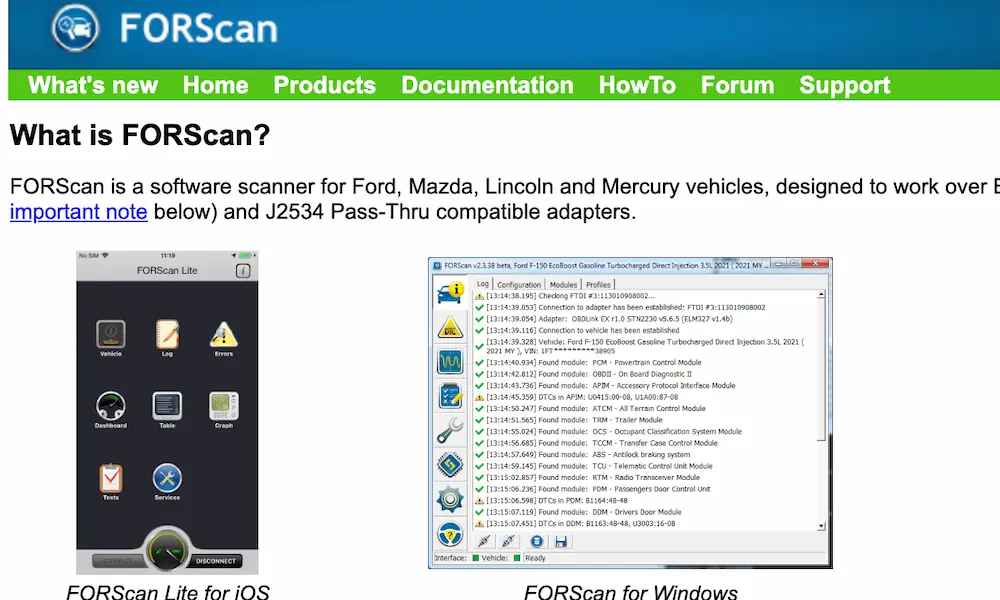
Keep a scan tool handy in case you need to check for error codes during the process.
Consider having a helper available – they can assist with key cycling and pedal operations during the relearn procedure.
Make sure you have good lighting in your work area. A flashlight or work light might be helpful for inspecting the throttle body.
Step-By-Step Ford Throttle Body Relearn Procedure
- Preparation:
- Ensure all electrical accessories are turned off (e.g., headlights, air conditioning, radio).
- Set the parking brake and shift the gear to “Park” (P).
- Start the Engine:
- Start the engine and let it idle until it reaches normal operating temperature (usually about 10-15 minutes). This allows the ECM to gather baseline data.
- Idle Adjustment:
- After reaching normal temperature, allow the engine to continue idling for an additional minute.
- Turn on the air conditioning and let it idle for another minute. This step helps the ECM adjust for additional load.
- Driving Cycle:
- With the A/C still on, shift into “Drive” (D) and allow the engine to idle for at least one minute.
- Drive the vehicle under normal conditions for about 30 miles. This driving cycle allows the ECM to learn your driving habits and adjust accordingly.
- Final Checks:
- After completing these steps, monitor how the throttle responds during driving. If you notice any irregularities in idle speed or throttle response, you may need to repeat the relearn process or check for other issues such as vacuum leaks or sensor malfunctions.
Alternative Relearn Method
If you’re experiencing persistent issues after cleaning or replacing the throttle body, you can also reset the ECM by disconnecting the battery:
- Turn off the engine.
- Disconnect the negative battery cable and leave it disconnected for about 10-15 minutes.
- Reconnect the negative battery cable.
- Start the engine and follow steps 2-5 from above.
This method clears any stored data in the ECM and forces it to relearn all parameters from scratch, which can sometimes resolve lingering issues related to throttle response
Post-Relearn Process Checks
After completing the relearn procedure, it’s essential to check that your Ford’s throttle body is working correctly. These checks will help make sure your engine runs smoothly and responds properly to your inputs.
Verifying the Engine Idle and Acceleration
Start your engine and let it warm up to normal operating temperature. The idle should be steady without any surging or dropping.
Watch your tachometer – a proper idle speed should stay between 600-800 RPM on most Ford models. Any major swings in RPM could mean the relearn wasn’t successful.
Press the gas pedal slowly and check for smooth acceleration. There shouldn’t be any hesitation or jerking movements. If you notice any stuttering, you might need to repeat the relearn procedure.
Testing Driveability and Shift Points
Take your Ford for a test drive on different types of roads. Pay attention to how it responds when you need more power.
Your transmission should shift smoothly through all gears. The shift points should feel natural – not too early or too late.
Try different driving conditions:
- Light acceleration from a stop
- Highway merging
- Passing other vehicles
- Stop-and-go traffic
If you notice rough shifts or delayed responses, give your vehicle more time to adjust. The computer might need a few more drive cycles to fine-tune its settings.