If you own a Chevy Silverado, GMC Sierra, or any GM full-size truck with a 6.2L V8 engine, you’ve probably heard the word “buyback” thrown around—and not in a good way. This isn’t about GM buying back its stock (though they’re doing plenty of that too). We’re talking about the company being forced to buy back defective trucks from owners like you. Here’s everything you need to know about the GM buyback program, how it works, and whether your vehicle qualifies.
What Is the GM Buyback Program?
The GM buyback program isn’t a single official program—it’s an umbrella term for how General Motors handles defective vehicles under state Lemon Laws and recall settlements. When a vehicle can’t be fixed after multiple repair attempts or stays in the shop too long, GM must repurchase it from the owner.
Here’s how it breaks down:
State Lemon Laws drive most buybacks. Almost every state has a Lemon Law protecting consumers who buy defective vehicles. In California, for example, GM must buy back your truck if it can’t be repaired after a reasonable number of attempts or sits in the service bay for more than 30 days total.
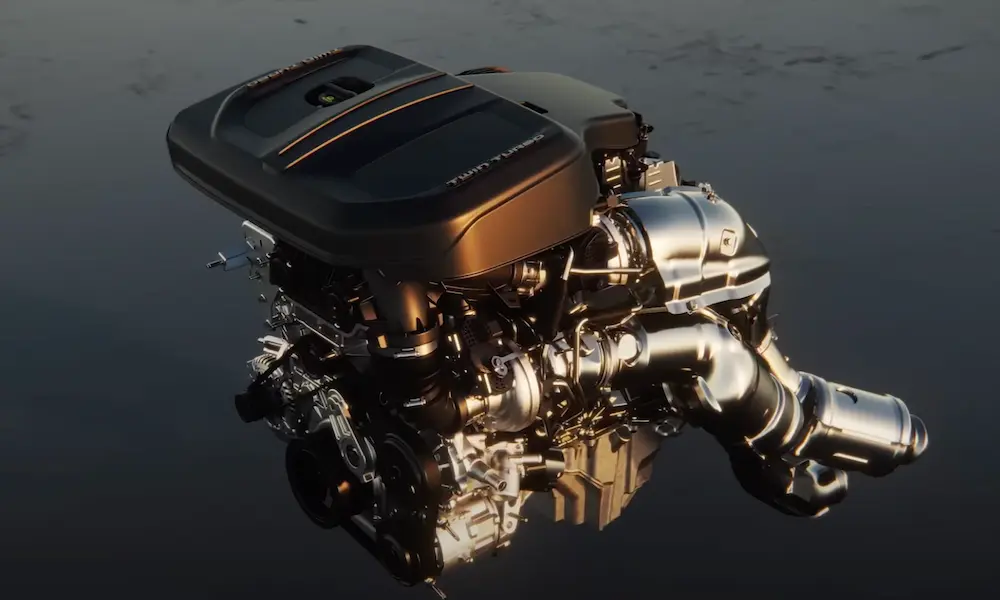
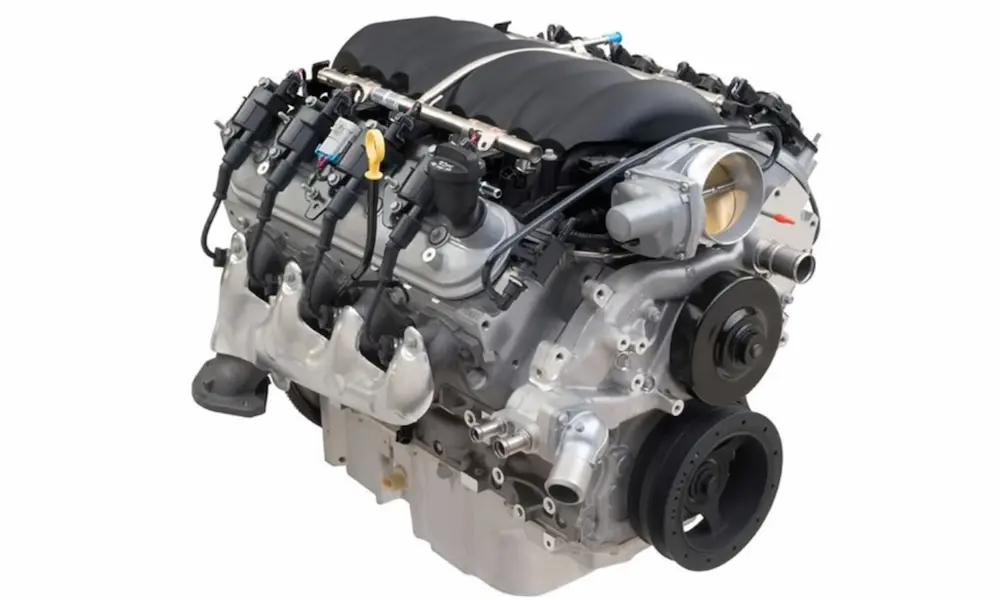
The 6.2L V8 engine defect is triggering the most buybacks. Between 2021 and 2024, GM installed a faulty 6.2L V8 (L87) engine in roughly 600,000 to 877,000 trucks and SUVs. These engines experience premature bearing and crankshaft failures, often leading to catastrophic engine seizure.
The Bolt EV battery recall also offers buyback options. If you own a Chevy Bolt EV affected by the battery fire risk, you had until July 31, 2025, to submit claims for compensation or buyback under the class action settlement.
Which Vehicles Are Covered?
6.2L V8 Engine Defect (2021–2024 Models)
The engine problem affects GM’s most popular and profitable vehicles. If you own one of these models with a 6.2L V8, you’re potentially eligible:
- Chevrolet Silverado 1500
- GMC Sierra 1500
- Chevrolet Tahoe
- Chevrolet Suburban
- GMC Yukon (standard and XL)
- Cadillac Escalade (standard and ESV)
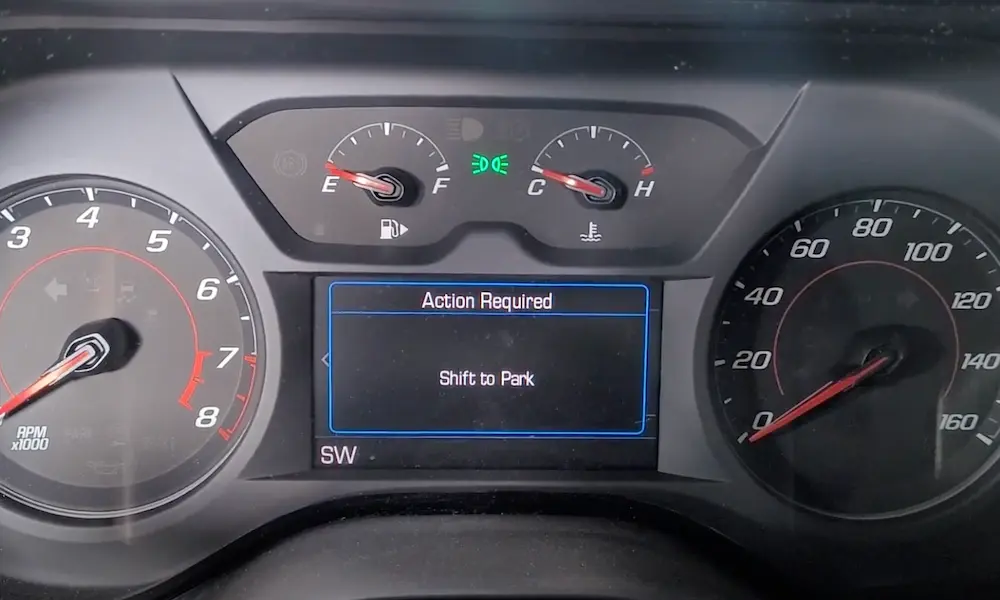
The defect involves main bearing and crankshaft failures. Symptoms include:
- Engine knocking or ticking sounds
- Loss of power while driving
- Check engine light
- Complete engine seizure (worst case)
GM issued a stop-sale order in mid-2025, freezing thousands of trucks on dealer lots until they could be inspected and remedied.
Chevrolet Bolt EV Battery Recall
The Bolt recall stems from battery fire risks in model years 2017–2022. If your Bolt is affected, you’re covered under a class action settlement that closed claims on July 31, 2025. The settlement offered:
- Battery module replacement
- Software monitoring for battery health
- Buyback or cash compensation in severe cases
How the Buyback Process Works
Step 1: Document Everything
Keep detailed records of every repair visit. You’ll need:
- Service order copies showing dates and issues
- Rental car receipts (if provided)
- Communication logs with the dealer and GM
- Photos or videos of the problem
The more documentation you have, the stronger your buyback claim becomes.
Step 2: Trigger the Lemon Law Threshold
Each state has different requirements, but common triggers include:
- Multiple repair attempts: Usually 3–4 attempts for the same issue
- Days out of service: Often 30 cumulative days in the shop
- Safety defect: One failed repair attempt if it’s a serious safety issue
GM’s engine replacement backlog in 2025 meant many trucks sat in service bays for weeks or months waiting for parts. This delay pushed numerous owners over the 30-day threshold automatically.
Step 3: File Your Claim
You have several options:
BBB Auto Line (Arbitration): GM participates in the Better Business Bureau’s arbitration program. It’s free but non-binding on you (though GM must comply with the decision).
Direct negotiation with GM: You can contact GM Consumer Affairs directly. Some owners report success with this route, especially if the defect is well-documented.
Hire a Lemon Law attorney: Most Lemon Law attorneys work on contingency—GM pays their fees if you win. If your truck is worth $60,000+, this route makes sense.
Step 4: Choose Your Remedy
If GM approves your buyback, you’ll typically get three options:
| Buyback Option | What You Get | Best For |
|---|---|---|
| Full Refund | Purchase price minus usage fee (depreciation) | Owners who want out completely |
| MSRP Swap | Trade defective truck for brand-new equivalent model | Owners who still want a GM truck |
| Cash and Keep | Cash settlement + you keep the repaired vehicle | Owners willing to live with the repair |
The MSRP swap is particularly valuable in 2025. Because truck prices have risen significantly due to inflation, owners report swapping their 2022 trucks for 2025 or 2026 models at little to no cost. GM absorbs the difference.
What Happens After the Inspection?
GM’s remedy for the 6.2L engine defect depends on diagnostic results using a specialized PicoScope tool.
Pass Scenario (Low-Cost Remedy)
If your engine passes inspection:
- Dealer performs oil change to heavier 0W-40 oil
- Software update applied
- You receive extended warranty: 10 years or 150,000 miles
This is GM’s preferred outcome—it’s cheap and gets you back on the road quickly.
Fail Scenario (Complete Engine Replacement)
If the PicoScope shows abnormal crankshaft movement or the oil filter contains metal debris:
- You need a full engine replacement
- Repair can take weeks or months due to parts shortages
- You’re entitled to a rental vehicle during this time
This is where Lemon Law kicks in. If the repair takes longer than 30 days (common in 2025), you automatically qualify for a buyback in most states.
Real Owner Experiences
Successful Buyback Without an Attorney
One Yukon XL owner documented their entire process on Reddit. Their 2025 Denali Ultimate spent 45 days in the shop waiting for an engine. They filed through BBB Auto Line and won a full MSRP swap for a brand-new 2026 model with minimal usage fee deduction.
Key takeaways from their experience:
- They kept meticulous records of every service visit
- They escalated through GM Consumer Affairs before arbitration
- The usage fee was waived because the defect appeared so early in ownership
Partial Success Stories
Not every buyback results in a full replacement. Some owners report “cash and keep” settlements ranging from $5,000 to $15,000, depending on:
- How long they owned the vehicle
- How many miles they drove
- How severe the defect was
How Much Is Your Buyback Worth?
GM calculates buybacks using this formula:
Refund Amount = Purchase Price – (Usage Fee) + Incidental Costs
Purchase Price
This includes:
- Vehicle purchase price (including taxes and fees)
- Trade-in value if you traded a vehicle
- Finance charges paid to date
Usage Fee (The Mileage Deduction)
GM deducts a “usage fee” for the miles you drove before the defect appeared. The formula varies by state but typically looks like:
Usage Fee = (Purchase Price × Miles Driven) ÷ 120,000
Example: You paid $65,000 for a Silverado. The engine failed at 8,000 miles.
Usage Fee = ($65,000 × 8,000) ÷ 120,000 = $4,333
Your refund = $65,000 – $4,333 = $60,667
Incidental Costs
You can also recover:
- Towing charges
- Rental car costs not covered by GM
- Lost wages from dealership visits
- Aftermarket accessories you purchased
Why GM Is Buying Back So Many Vehicles Right Now
The surge in GM buybacks isn’t accidental—it’s the collision of two major problems:
The 6.2L engine defect hit the company’s cash cow. These trucks and SUVs are GM’s most profitable products. The company generated $4.2 billion in automotive free cash flow in Q3 2025 alone, largely from these vehicles. When the engines failed at scale, the warranty costs exploded.
Parts shortages forced extended service times. GM couldn’t supply replacement engines fast enough in 2025. Trucks sat in service bays for 45+ days, automatically triggering Lemon Law provisions. GM issued a stop-sale order for dealer inventory, freezing thousands of units until they could be inspected.
The Bolt settlement reached its deadline. The July 31, 2025, claims deadline created a rush of final buyback claims before the window closed permanently.
Tips for Maximizing Your Buyback Value
Don’t Accept the First Offer
GM’s initial buyback offer is often negotiable. If you disagree with the usage fee calculation or the offered compensation, you can:
- Request arbitration through BBB Auto Line
- Hire a Lemon Law attorney to negotiate
- Document additional costs GM initially refused to cover
Keep Driving to Minimum
Once you suspect a Lemon Law claim is coming, minimize additional miles. Every mile you drive increases the usage fee deduction.
Consider Timing for MSRP Swaps
If you’re pursuing an MSRP swap, timing matters. Wait until the model year you want is available. Some owners in early 2025 swapped into leftover 2024 models when they could have waited for 2026s.
Leverage GM’s Financial Motivation
GM is simultaneously executing a massive share buyback program, having spent $3.5 billion buying back stock in the first nine months of 2025. The company is incentivized to settle vehicle buybacks quickly to avoid prolonged legal costs and negative publicity.
What If GM Denies Your Claim?
Denial doesn’t mean the end. Common denial reasons include:
Insufficient documentation: Go back and gather more detailed service records.
Miles or time limits: Some states have strict timeframes (usually 1–2 years from purchase or 12,000–18,000 miles). If you’re outside the window, state law may not protect you.
“Cannot duplicate” defense: If the dealer claims they can’t replicate the problem, request a different dealer or bring video evidence.
If GM denies your claim, your next steps are:
- File a formal complaint with your state Attorney General’s consumer protection division
- Hire a Lemon Law attorney (most offer free consultations)
- Consider small claims court for lower-value vehicles
The Financial Reality Behind GM’s Dual Buyback Strategy
Here’s the irony: while GM is buying back defective trucks from consumers, the company is also executing one of the largest stock buyback programs in the auto industry’s history.
Between late 2023 and Q3 2025, GM spent approximately $16+ billion buying back its own shares, retiring roughly 15% of its outstanding stock. The company reduced its share count below 1 billion for the first time in years.
Why does this matter to you? It shows GM has massive cash reserves—which means they can afford to settle your buyback claim fairly. The company isn’t on the verge of bankruptcy; they’re flush with cash from selling these very trucks. Don’t let them lowball you.
Timeline: What to Expect
Here’s a realistic timeline for a GM buyback claim:
| Phase | Duration | What Happens |
|---|---|---|
| Repair Attempts | 30–90 days | Multiple service visits, failed fixes, documentation |
| Claim Filing | 1–2 weeks | Submit complaint to BBB Auto Line or attorney |
| Investigation | 30–45 days | GM reviews claim, inspects vehicle if needed |
| Arbitration/Negotiation | 30–60 days | Hearing scheduled, decision rendered |
| Settlement | 15–30 days | Payment processed or vehicle swap arranged |
Total expected timeline: 4–8 months from first repair attempt to final settlement.
For Bolt EV owners, the process was faster due to the structured settlement timeline, but that window has now closed.
Is the Extended Warranty Enough?
If your truck passes the inspection and GM offers the 10-year/150,000-mile extended warranty, should you accept it or push for a buyback?
Consider accepting if:
- Your truck has low miles (under 15,000)
- The engine passed the PicoScope test cleanly
- You can’t afford to be without a vehicle during a buyback process
- The 0W-40 oil remedy addresses the root cause
Push for a buyback if:
- Your engine already failed once (replacement engines may have the same defect)
- You’ve lost trust in the vehicle’s reliability
- You can document diminished resale value due to the recall
- You’re already over the 30-day threshold
What Happens to Bought-Back Vehicles?
Once GM repurchases your truck, they can’t simply resell it as new. Here’s what typically happens:
Branded title: The vehicle receives a “manufacturer buyback” or “lemon law buyback” title brand in most states.
Repair and resale: GM repairs the defect, then sells the vehicle at auction or through dealers, with full disclosure of the title brand.
Parts vehicle: In cases of catastrophic failure, the truck may be stripped for parts.
You’re not responsible for what happens after the buyback—that’s GM’s problem.
Don’t Let the Warranty Run Out
If you suspect your truck is a lemon, act quickly. State Lemon Laws have strict time limits, typically:
- California: 18 months or 18,000 miles from delivery
- Texas: 24 months or 24,000 miles
- New York: 24 months or 18,000 miles
Once you’re outside the window, your leverage disappears. The extended warranty GM offers on repaired engines doesn’t override these deadlines for buyback eligibility.
The Bottom Line
The GM buyback program isn’t a generous gesture—it’s a legal obligation triggered by defective products. If your truck has been in the shop repeatedly for the 6.2L engine defect, you’re likely entitled to a full refund or replacement vehicle.
Don’t let GM wear you down with delays or lowball offers. Document everything, understand your state’s Lemon Law, and don’t hesitate to escalate your claim through arbitration or an attorney.
The company is sitting on $35.7 billion in automotive liquidity and just increased its dividend by 25% while buying back billions in stock. They can afford to make your buyback right—you just need to push for it.