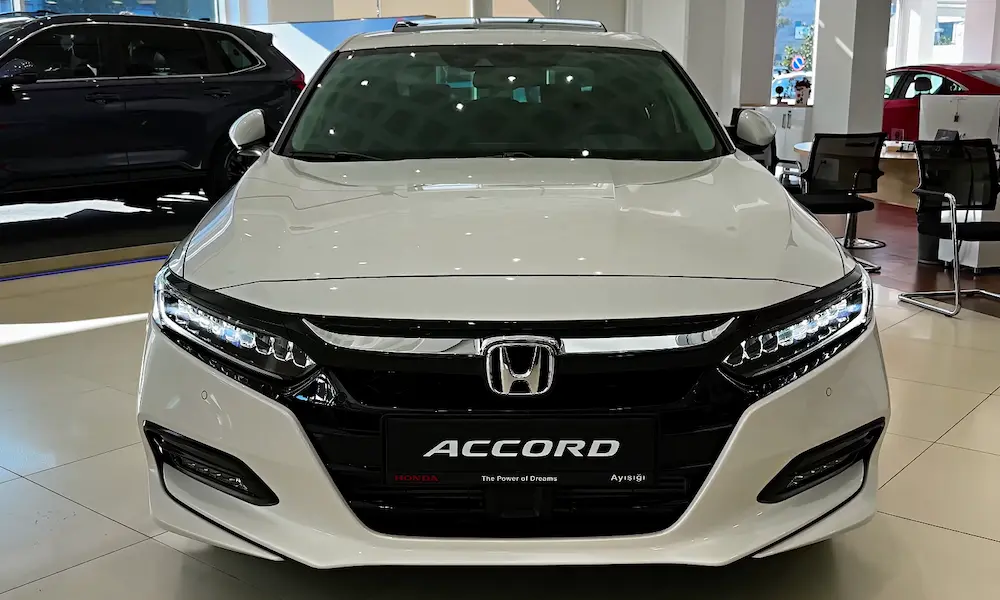
Is your Honda Accord’s backup camera showing a black screen? Or maybe you’re getting distorted images or lines across the display? Don’t worry – you’re dealing with a common issue that has several potential solutions. This guide will walk you through diagnosing and fixing your backup camera problems without expensive dealer visits.
What Causes Honda Accord Backup Camera Failures?
Honda Accord backup cameras typically fail due to four main issues:
- Electrical problems (blown fuses or wiring issues)
- Water damage to the camera module
- Software glitches in the display unit
- Physical damage or dirt on the camera lens
Understanding what’s causing your specific problem will help you fix it quickly and avoid unnecessary repairs.
How to Check If Your Backup Camera Fuse Is Blown
A blown fuse is often the simplest explanation for a non-working backup camera. Here’s how to check:
- Locate the fuse boxes in your Honda Accord:
- The primary fuse box is in the driver-side engine bay
- A secondary fuse box is located beneath the dashboard
- For 2013-2017 models, check fuse #21 (labeled “Back Up”) in the engine compartment fuse box. This 10A fuse controls the backup camera power.
- For newer models, also check fuse #5 (“Meter”) in the interior fuse box, which affects the dashboard display.
Use the plastic tweezers stored in the fuse box lid to carefully remove and inspect the fuses. A blown fuse will have a broken metal strip inside.
![Diagram of a blown fuse versus a working fuse]
If you find a blown fuse, replace it with a new 10A low-profile blade fuse matching the original specifications. This simple fix resolves about 40% of backup camera issues.
Quick Reset Methods for Software Glitches
Before diving into more complex fixes, try these reset methods that often resolve temporary glitches:
Battery Reset Method
- Turn off your vehicle completely
- Disconnect the negative battery terminal
- Wait 10-15 minutes (this clears the system memory)
- Reconnect the battery and start your vehicle
- Test your backup camera by shifting into reverse
Display Reset Method
For 2018+ models with Display Audio systems:
- Press and hold the POWER button for 10 seconds
- The system will reboot automatically
- Test your camera by shifting into reverse
These reset methods can clear CMOS cache errors that sometimes cause backup camera malfunctions.
How to Clean Your Camera Lens
A dirty lens is a surprisingly common cause of backup camera problems. Here’s how to properly clean it:
- Locate your camera (typically near the trunk handle or license plate lights)
- Use a microfiber cloth slightly dampened with isopropyl alcohol (70% or higher)
- Gently wipe the lens, removing any dirt, road grime, or water spots
- Allow the lens to dry completely before testing
Avoid using harsh chemicals or abrasive materials that could damage the lens coating. Regular cleaning can prevent blurry images and extend your camera’s lifespan.
Checking for Water Damage in Your Camera Module
Honda Accord cameras (especially in 2013-2022 models) are prone to water infiltration through the trunk seals. Here’s how to check for moisture problems:
- Look for these signs of water damage:
- Foggy or blurry display
- Condensation visible inside the lens
- Intermittent operation that improves in dry weather
- To inspect the camera module:
- Open your trunk
- Remove the trunk lid inner trim panel (usually secured with several 10mm bolts)
- Locate the camera module and check for visible moisture or corrosion
If you find water damage, you’ll likely need to replace the camera module. Professional installation is recommended, though DIY replacement is possible with the right tools and patience.
Is Your Honda Affected by a Recall?
Some Honda Accord models (particularly 2018-2019) were subject to a NHTSA recall for backup camera issues. The recall addressed:
- Frozen guidance lines
- “No Signal” errors
- Display dropouts when shifting
To check if your vehicle is affected:
- Visit Honda’s recall information website
- Enter your VIN (found on your dashboard or driver’s door jamb)
- Review any outstanding recalls related to your backup camera
If your vehicle is covered, Honda will perform the necessary firmware updates at no cost to you.
Detailed Wiring Inspection Guide
If simple fixes haven’t resolved your issue, you may need to check the camera’s wiring:
Trunk Harness Inspection
- Remove the trunk lid inner trim panel
- Locate the C427 connector (in the trunk hinge pass-through area)
- Check for pinched, frayed, or broken wires
- Pay special attention to areas where the wires flex when opening/closing the trunk
Testing Camera Power
For those comfortable with electrical testing:
- With a multimeter set to DC volts:
- Shift into reverse (have a helper do this while you test)
- Probe the yellow RCA connector’s center pin
- You should read 6-12V if power is reaching the camera
If your wiring checks out but the camera still doesn’t work, the module itself may have failed and require replacement.
Camera Replacement: DIY or Professional?
If you need to replace your camera module, you have two options:
DIY Camera Replacement
For 2013-2017 models:
- Purchase a compatible replacement camera (OEM part recommended)
- Remove the trunk lid inner trim panel (7 bolts, typically 10mm)
- Disconnect the license plate light connectors
- Release the four clips holding the camera housing
- Disconnect the Fakra-style coaxial cable
- Install the new camera, applying dielectric grease to the connectors
- Test before reassembling everything
Professional Replacement
Consider professional installation if:
- You’re uncomfortable working with vehicle electronics
- Your model has a complex multi-view camera system
- The issue involves the display unit or requires programming
A professional installation typically costs between $250-400, including parts and labor.
Display Unit Issues and Solutions
If your camera works but the display shows errors, the issue may be with the infotainment system:
Common Display Problems
- Black screen when shifting to reverse
- “No Signal” message
- Frozen guidance lines
- Distorted or pixelated image
Display Unit Fixes
- For 2018+ models, check for available firmware updates
- Reset the display by pressing and holding the power button for 10+ seconds
- Through the Settings > Camera menu, try toggling Fixed/Dynamic guidelines
For persistent display issues, especially in 2018-2019 models, visit a Honda dealership to check for required firmware updates.
Advanced Troubleshooting: When Nothing Else Works
If you’ve tried everything above and your camera still isn’t working, these advanced steps may help:
Check Related Systems
- Test your reverse lights – they share circuitry with the backup camera
- If reverse lights don’t work, check reverse light fuses and the shift position switch
Scan for Diagnostic Codes
Using an OBD-II scanner:
- Connect to your vehicle’s diagnostic port (under the dashboard)
- Look for U0155 codes (Lost Communication with Instrument Panel Cluster)
- These codes can indicate deeper electrical issues affecting your camera
Ground Circuit Testing
Poor ground connections can cause intermittent camera issues:
- Locate the camera ground wire (usually black)
- Check for tight connections and corrosion
- Clean ground points with a wire brush if necessary
Preventing Future Backup Camera Issues
Keep your Honda Accord’s backup camera working reliably with these preventative measures:
- Regular Lens Cleaning: Wipe the camera lens monthly with a microfiber cloth
- Weatherproofing: Apply silicone paste to trunk wire grommets to reduce water ingress
- Lens Protection: Consider installing transparent protective film over the lens
- Software Updates: Keep your infotainment system updated with the latest Honda firmware
- Gentle Trunk Closing: Avoid slamming your trunk, which can stress camera wiring
These simple maintenance steps can significantly extend your camera’s lifespan and prevent future malfunctions.
Cost Comparison: DIY vs. Dealer Repair
| Repair Method | Parts Cost | Labor Cost | Total Cost | Time Required |
|---|---|---|---|---|
| DIY Fuse Replacement | $5-10 | $0 | $5-10 | 15-30 minutes |
| DIY Camera Replacement | $100-250 | $0 | $100-250 | 1-2 hours |
| Dealer Fuse Replacement | $5-10 | $50-100 | $55-110 | Same day |
| Dealer Camera Replacement | $150-300 | $100-200 | $250-500 | 1-2 days |
| Dealer Display Unit Repair | $500-900 | $100-200 | $600-1100 | 1-3 days |
DIY repairs can save substantial money, especially for simple fixes like fuse replacement or cleaning. However, dealer repairs come with warranty protection and professional expertise for complex issues.
Which Honda Accord Years Have the Most Backup Camera Problems?
Certain model years have shown higher rates of backup camera issues:
- 2018-2019 models: Subject to a NHTSA recall for software issues
- 2013-2017 models: Prone to water intrusion through trunk seals
- 2016 models: Reported higher rates of camera module failures
If you own one of these model years, being proactive about maintenance and knowing the common issues can help you address problems early.
How to Tell If Your Camera Needs Professional Attention
While many backup camera issues can be fixed at home, some require professional help:
Seek professional assistance if:
- Your camera shows lines/artifacts that persist after cleaning
- You’ve replaced fuses but they keep blowing
- The display shows “System Error” messages
- Your camera works intermittently despite all troubleshooting
- You’ve tried a battery reset with no improvement
A Honda dealership or qualified auto electrician can diagnose these more complex issues using specialized equipment.
By following this comprehensive guide, you can diagnose and fix most Honda Accord backup camera issues without expensive dealer visits. Start with the simplest solutions first, and work your way through the more complex fixes only if needed.