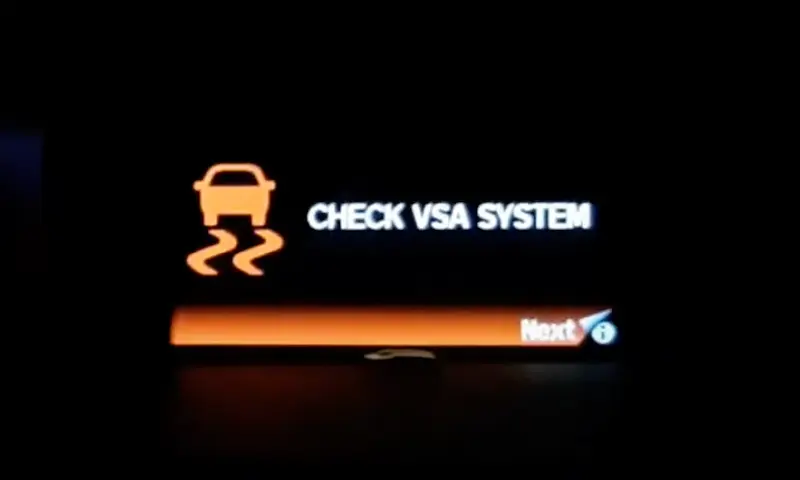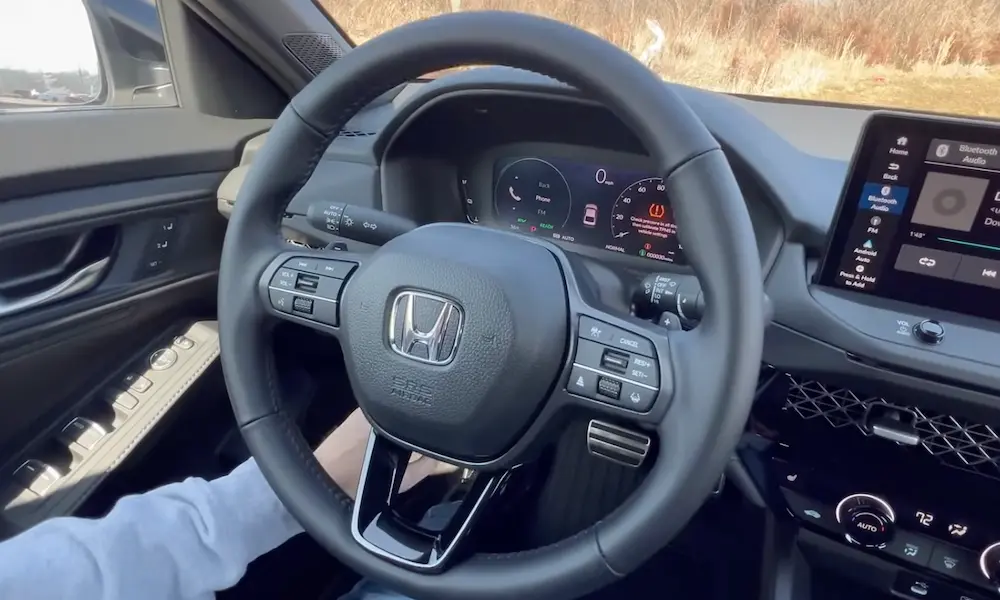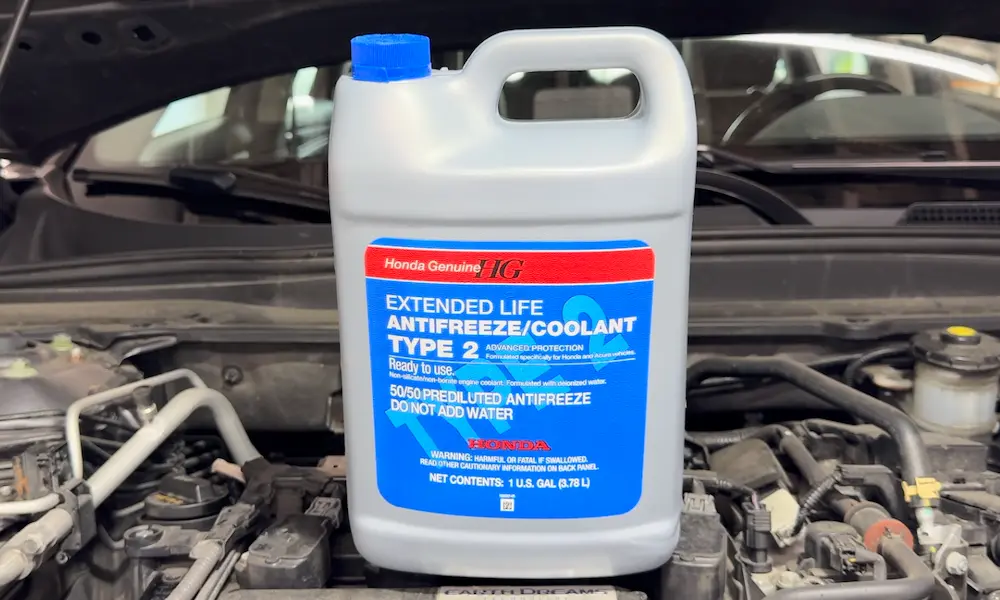
Is your Honda Civic’s D light blinking at you from the dashboard? That little flashing symbol might seem harmless, but it’s actually your car’s way of waving a red flag. Don’t panic though—with the right information, you can understand what’s happening and take the appropriate steps to protect your vehicle.
What Does a Flashing D Light on a Honda Civic Mean?
When that D light starts blinking on your Honda Civic’s dashboard, your transmission is sending you an SOS signal. Unlike some warning lights that you can sometimes drive with for a while, this one demands immediate attention.
The flashing D light specifically indicates a transmission problem that could lead to serious damage if ignored. Your car’s computer has detected an abnormality in the transmission system and is warning you before things get worse.
It’s worth noting that the check engine light might not always come on with the flashing D light. Don’t assume everything is fine just because the check engine light isn’t illuminated—the flashing D is serious all on its own.
Common Causes of a Flashing D Light
Faulty Transmission Pressure Switches
The most likely culprit behind your flashing D light is a failed transmission fluid pressure switch. These switches monitor hydraulic pressure in your transmission’s clutch circuits and are notorious for failing in Honda Civics.
Depending on your Civic’s model year, you might have between 2 and 6 pressure switches attached to the transmission. These small components are external parts that thread into the transmission case and have single-wire connectors. When they fail, your transmission can’t properly monitor its internal pressure, triggering the warning light.
Low or Contaminated Transmission Fluid
Your transmission needs clean, sufficient fluid to function properly. If the fluid level drops too low or becomes dirty, the system can’t maintain proper hydraulic pressure.
Signs that fluid might be your problem include:
- Rough or delayed shifting
- Strange noises from the transmission
- Burning smell
You can check your fluid level and condition, but remember that Honda Civics require specific procedures for checking transmission fluid accurately.
Transmission Range Sensor Problems
The transmission range sensor (sometimes called the neutral safety switch) tells your car’s computer which gear you’ve selected. When this sensor fails, your transmission might not know if you’re in Park, Drive, or another gear.
A faulty range sensor can cause:
- Difficulty shifting gears
- Starting problems
- Flashing D light
- Erratic shifting behavior
Electrical Issues
Electrical problems can sometimes trigger the flashing D light. These might include:
- Damaged wiring to transmission components
- Poor connections
- Low voltage from battery or alternator problems
- Damaged sensors
- Short circuits in the transmission wiring harness
How to Diagnose a Flashing D Light
Reading Trouble Codes
The most direct way to diagnose the issue is to retrieve the stored trouble codes from your car’s computer. This requires an OBD-II scanner, which can be:
- A professional diagnostic tool at a repair shop
- A consumer-grade scanner you can purchase
- A smartphone app with an OBD-II adapter
Common transmission-related codes you might see include:
| Code | Description | Likely Cause |
|---|---|---|
| P0843 | Transmission Pressure Sensor “A” Circuit High | Pressure switch failure or wiring issue |
| P0847 | Third Clutch Transmission Fluid Pressure Switch Circuit | Pressure switch failure |
| P0872 | Fourth Clutch Transmission Fluid Pressure Switch Circuit Low | Pressure switch failure or wiring issue |
| P0705 | Transmission Range Sensor Circuit Malfunction | Faulty range sensor |
| P0700-P0714 | Various transmission control system errors | Multiple possible causes |
Honda-Specific Diagnostic Method
Honda vehicles offer a way to retrieve transmission codes without a scanner, though it’s a bit more involved:
- With the key in the ON position (engine off), connect pins 4 and 9 in the OBD-II port using a paper clip or wire
- Watch the D light’s flashing pattern
- Count the flashes to identify the code (long flashes represent tens, short flashes represent ones)
This method can be tricky, and professional diagnosis is often more reliable.
Visual Inspection
Before heading to a mechanic, you can perform a basic inspection:
- Check the transmission fluid level and condition (engine warm, running, in Park)
- Look for visible leaks under the vehicle
- Check for loose electrical connections near the transmission
- Inspect for obvious damage to external components
What to Do When the D Light Flashes
Stop Driving Immediately
The number one rule when your Honda Civic’s D light starts flashing: stop driving as soon as safely possible. Continuing to drive can turn a relatively minor repair into a complete transmission replacement, which can cost thousands of dollars.
Pull over in a safe location, turn off the engine, and arrange for your car to be towed to a repair facility. Even driving “just a few more miles” can cause severe damage.
Check Transmission Fluid
If you’re comfortable doing so, check the transmission fluid level and condition:
- Park on level ground
- With the engine warm and running, shift through all gears
- Return to Park and check the dipstick (on older models) or follow the procedure in your owner’s manual
- The fluid should be pinkish-red and clear, not brown or smelling burnt
Low fluid could indicate a leak, while dirty fluid suggests it’s time for a fluid change. However, be aware that many newer Honda Civics don’t have traditional dipsticks and require special procedures to check fluid.
Get Professional Diagnosis
While some automotive issues are DIY-friendly, transmission problems typically require professional attention. A qualified mechanic with experience in Honda transmissions can:
- Properly read all transmission-related codes
- Perform advanced diagnostic tests
- Pinpoint the exact cause of the flashing D light
- Recommend the most cost-effective repair
Repair Solutions for a Flashing D Light
Replacing Transmission Pressure Switches
If diagnostics point to a faulty pressure switch:
- Cost: Switches themselves are relatively inexpensive ($10-60 each)
- Labor: Generally 1-3 hours depending on which switches need replacement
- Complexity: Can often be done without removing the transmission
- Success rate: High for resolving flashing D light issues
This is one of the most common and straightforward fixes for a flashing D light on a Honda Civic.
Transmission Fluid Service
When fluid issues are the cause:
- A fluid change or top-off might resolve the problem
- Honda Civics require specific transmission fluid (typically Honda DW-1)
- A complete fluid exchange (not just a drain and fill) is often recommended
- Cost: $100-300 depending on the service and labor rates
Proper fluid level and condition can prevent many transmission problems and extend transmission life.
Electrical Repairs
For electrical issues:
- Wiring repairs might involve replacing damaged sections
- Cleaning corroded connections
- Replacing sensors
- Testing and replacing related components
These repairs vary widely in cost and complexity depending on what’s affected.
Range Sensor Replacement
If the transmission range sensor is at fault:
- The sensor typically mounts externally on the transmission
- Replacement usually takes 1-2 hours of labor
- Parts cost $50-150 depending on the model
- May require recalibration after installation
Preventing Future Transmission Problems
Regular Maintenance Schedule
Prevent transmission problems by following these maintenance guidelines:
- Change transmission fluid every 30,000-50,000 miles (sooner in severe driving conditions)
- Use only Honda-approved transmission fluid (DW-1 for most models)
- Have the transmission inspected during regular service intervals
- Address minor issues before they become major problems
Warning Signs to Watch For
Catch problems before the D light starts flashing by watching for these early warning signs:
- Rough shifting or delayed engagement
- Unusual noises when shifting gears
- Slipping sensation while accelerating
- Transmission fluid leaks
- Burning smell
The Cost of Neglect
Ignoring a flashing D light can lead to catastrophic transmission failure. Here’s a cost comparison:
| Repair Type | Typical Cost Range |
|---|---|
| Pressure switch replacement | $150-400 |
| Fluid change/service | $100-300 |
| Range sensor replacement | $200-500 |
| Complete transmission rebuild | $2,000-4,000 |
| Transmission replacement | $3,000-5,000+ |
As you can see, addressing the issue promptly can save thousands of dollars.
Understanding Honda Civic Transmission Design
Honda Civic transmissions have some unique characteristics that affect how problems develop and how they’re repaired:
- Many use continuously variable transmissions (CVTs) in newer models
- Older models use conventional automatic transmissions
- Both types rely on precise hydraulic pressure control
- Electronic solenoids and pressure switches manage fluid flow
- Specialized control modules monitor and adjust operation
This complex design delivers smooth performance and good fuel economy, but requires prompt attention when warning lights appear.
A flashing D light on your Honda Civic should never be ignored. While it might seem tempting to keep driving, doing so risks significant damage to your transmission. By understanding the likely causes and taking immediate action, you can often resolve the issue without major expense. Remember that professional diagnosis is the safest route, especially if you’re not experienced with automotive repairs.