Your Honda’s check engine light just came on, and your scanner shows P2646. Now your car won’t rev past 3,000 RPM without jerking like it hit an invisible wall. That’s annoying—and a little scary when you’re merging onto the highway. Here’s the good news: this isn’t a death sentence for your engine. Read on to find out what’s actually broken and how to get back on the road.
What Is Honda P2646?
P2646 means your VTEC system isn’t doing its job. VTEC (Variable Valve Timing and lift Electronic Control) is Honda’s way of giving you both fuel efficiency at low speeds and power when you need it. Think of it like a two-gear bicycle for your engine’s valves.
The code fires when your car’s computer (the PCM) tells the VTEC system to engage, but the oil pressure switch says “nope, didn’t happen.” Specifically, the PCM expects a voltage change from the pressure switch within milliseconds. When that doesn’t occur, you get P2646 and limp mode.
In plain terms: your engine’s stuck in “economy mode” and refuses to switch to “performance mode.”
Why Your Engine Can’t Rev Past 3,000 RPM
That bucking and stuttering you feel isn’t a mechanical failure. It’s your car protecting itself.
When VTEC doesn’t engage, your valves aren’t opening wide enough for high RPM operation. If Honda let you keep revving, you’d starve the engine of air, overheat the catalytic converter, and potentially melt pistons. So the PCM cuts fuel right at the VTEC engagement point—usually around 2,800-3,000 RPM.
This is called “limp mode,” and it’s annoying by design. The jerking is the computer saying “fix me now” in the only language it knows.
The Real Culprits Behind P2646
Your Oil Is the Problem (80% of Cases)
Here’s the thing nobody tells you: VTEC uses engine oil as hydraulic fluid. If your oil’s low, dirty, or the wrong thickness, VTEC can’t build enough pressure to lock the rocker arms together.
Three oil problems cause most P2646 codes:
- Low oil level – Even half a quart low can starve the system during hard acceleration
- Wrong viscosity – Using 10W-30 instead of 0W-20 clogs the tiny screens inside the solenoid
- Old, contaminated oil – Sludge from skipped oil changes blocks hydraulic passages
Before you spend a dime on parts, check your dipstick. If it’s even slightly low or the oil looks like motor honey, you’ve found your problem.
The VTEC Solenoid Screen Is Clogged
Inside your VTEC solenoid sits a fine mesh screen about the size of a dime. Its job? Keep carbon and metal bits out of the hydraulic system.
When oil changes get skipped, this screen clogs. Oil can’t flow fast enough to engage VTEC. The screen is part of a gasket that sits between the solenoid and the cylinder head—and it’s cheap to replace.
K24 engines (Accord, CR-V, Element) have a second hidden screen behind the serpentine belt tensioner. If you only clean the rear screen, the front one can still starve the whole system.
Water Got Into Your Connectors (Element and CR-V)
If you drive a Honda Element or 2007-2009 CR-V, there’s a design flaw you need to know about. Rainwater drips from the windshield cowl directly onto the VTEC solenoid wiring. Over time, moisture corrodes the connector pins into green crusty nightmares.
This causes intermittent codes—the VTEC system works fine mechanically, but the PCM can’t “see” it because of bad wiring.
Pop the connector off and look inside. If you see green or white corrosion, clean it with electrical contact cleaner and coat the pins with dielectric grease.
The Pressure Switch Failed
The oil pressure switch is a simple sensor, but it doesn’t always last forever. Honda issued Technical Service Bulletin 13-021 for exactly this issue across almost every model from 2003-2013.
The switch can drift over time, reporting pressure too slowly for the PCM’s liking. Honda’s fix? Replace the switch (part number 37250-PNE-G01) and its O-ring.
Affected vehicles include:
- 2003-2012 Accord (4-cylinder)
- 2002-2009 CR-V
- 2003-2011 Element
- 2002-2005 Civic Si
- 2007-2011 Fit
How to Diagnose P2646 Step-by-Step
Start With the Oil
Check your oil level with the engine cold and on level ground. It should hit the “Full” mark. If it’s low, top it off with the correct weight (usually 0W-20).
Look at the oil on the dipstick. If it’s black and gritty, change it immediately. Use full synthetic and a quality filter—not the cheapest one on the shelf.
Inspect the Solenoid Connector
The VTEC solenoid sits on the rear of the cylinder head (driver’s side when facing the engine on most models). Unplug the connector and inspect both sides for:
- Green or white corrosion
- Bent pins
- Oil residue (indicates a leaking gasket)
Spray it with contact cleaner and let it dry. Apply dielectric grease before reconnecting.
Test the Solenoid Electrically
With the connector unplugged and ignition ON (engine off), you should see 12V on the power wire. Use a multimeter to check.
Now check the solenoid’s resistance. It should read between 14-30 ohms. If it reads “OL” (open loop), the solenoid coil is burnt and needs replacement.
Check Live Data With a Scanner
If you have access to a good scan tool, watch these values while driving:
| Parameter | What to Watch |
|---|---|
| VTEC Solenoid Command | Should switch from OFF to ON above 3,000 RPM under load |
| VTEC Pressure Switch | Should toggle from LOW to HIGH when solenoid engages |
| VSA Status | Often disabled when P2646 is active |
If the solenoid command goes ON but the switch stays LOW, you’ve confirmed the failure.
The Right Way to Fix P2646
Fix #1: Change the Oil and Filter
Sounds too simple, right? But changing to fresh 0W-20 synthetic oil with a quality filter fixes P2646 in over half of cases. It costs $40 and takes 30 minutes.
If your oil is really bad, consider a gentle engine flush product first to break up sludge. Don’t use harsh chemicals—they can dislodge chunks that block the oil pickup screen.
Fix #2: Replace the Spool Valve Gasket and Screen
This is the most common mechanical fix. The gasket (Honda part 15825-RTA-003) includes the mesh screen and costs about $15.
Here’s how:
- Remove the VTEC solenoid (three bolts, 10mm)
- Pull out the old gasket carefully
- Clean the mating surface with brake cleaner
- Install the new gasket and screen
- Reinstall the solenoid and torque to spec (8 lb-ft)
Clear the code and test drive. If it doesn’t come back, you’re done.
Fix #3: Replace the Oil Pressure Switch
Following Honda TSB 13-021, replace the pressure switch with a genuine Honda part (37250-PNE-G01) and new O-ring (91319-PAA-A01).
Use a 22mm deep socket to remove the old switch. Install the new one and torque it to 16 lb-ft. Don’t overtighten—you can crack the housing.
Fix #4: Clean the Front VTC Strainer (K24 Engines)
If you’ve done everything else and the code keeps coming back, the front strainer is probably clogged. It’s hidden behind the serpentine belt and power steering pump.
This is a bigger job requiring removal of:
- Serpentine belt
- Motor mount bracket
- Power steering high-pressure line
The strainer (15816-RTA-003) sits in a housing on the front of the block. Replace both the strainer and gasket while you’re in there.
Why Cheap Parts Will Fail You
Aftermarket VTEC solenoids and pressure switches have a horrible track record. Multiple mechanics report comeback rates over 50% with non-Honda parts.
The problem? Aftermarket switches don’t match Honda’s precise timing specs. They might switch 50-100 milliseconds too slowly, which the PCM reads as a failure.
Use genuine Honda parts for:
- Oil pressure switch
- VTEC solenoid (if needed)
- Gaskets and O-rings
Save the aftermarket stuff for brake pads.
What About V6 Models?
V6 Hondas (Odyssey, Pilot, Ridgeline) use similar VTEC systems but with some key differences:
- Bank 1 is the rear cylinder bank (closer to the firewall)
- Many have Variable Cylinder Management (VCM), which uses a separate switch
- P2646 specifically refers to the VTEC system, not VCM
On VCM-equipped engines, there are two pressure switches. Don’t confuse “Switch A” (VTEC) with “Switch B” (VCM). They look identical but serve different functions.
Preventing P2646 From Coming Back
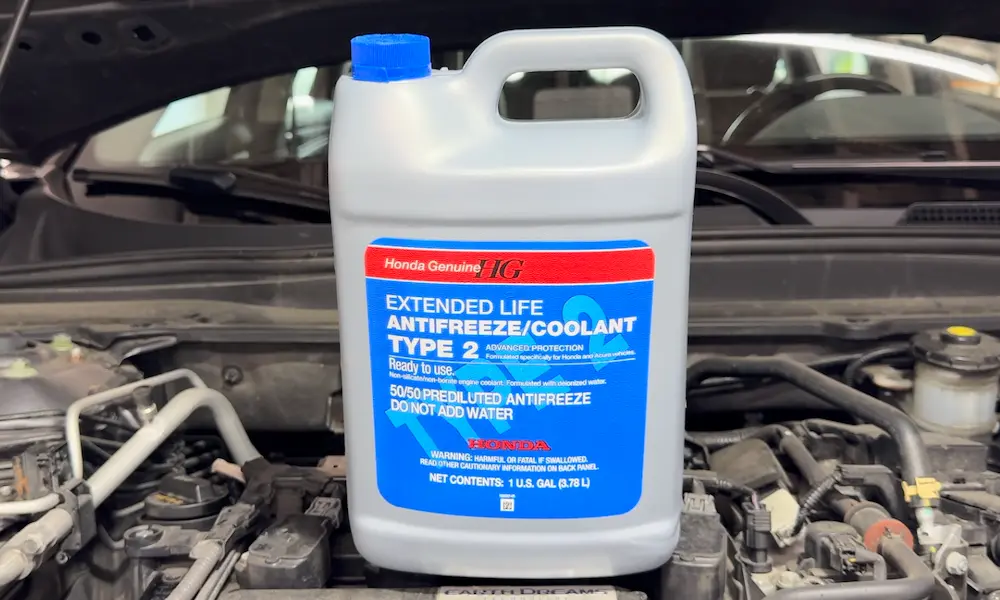
Use the Right Oil and Change It Often
Honda’s maintenance minder might say 7,500 miles between changes. Ignore it. Stick to 5,000 miles if you want to prevent VTEC problems.
Always use:
- 0W-20 full synthetic (or whatever your owner’s manual specifies)
- A quality oil filter (Honda, Mobil 1, or equivalent)
- Never exceed the drain interval
Protect Those Connectors
If you own an Element or CR-V, treating the VTEC solenoid connector with dielectric grease once a year will prevent corrosion. It takes five minutes and costs $4.
Fix Oil Leaks Immediately
Low oil is enemy #1 for VTEC systems. If you see spots on your driveway, find the leak and fix it. Common sources include:
- Valve cover gasket
- Oil pan gasket
- VTC actuator O-ring
Quick Reference: P2646 Fixes by Symptom
| Symptom | Most Likely Fix | Cost |
|---|---|---|
| Code after skipped oil changes | Fresh oil + filter change | $40 |
| Code after heavy rain (Element/CR-V) | Clean/protect solenoid connector | $5 |
| Persistent code, oil is clean | Replace spool valve gasket/screen | $15-30 |
| Intermittent code on high-mileage car | Replace oil pressure switch | $30-50 |
| Code returns after all fixes (K24) | Clean/replace front VTC strainer | $20-40 |
The Bottom Line
P2646 isn’t usually a serious mechanical failure. It’s your Honda telling you the hydraulic system needs attention—usually just clean oil and fresh screens.
Start simple: check the oil, clean the connectors, replace the gasket. Use genuine Honda parts for sensors and switches. Don’t overthink it.
Most importantly, don’t ignore it. Driving in limp mode won’t hurt your engine immediately, but the constant bucking and inability to accelerate properly makes your car unsafe in traffic.
Fix it once, fix it right, and that check engine light will stay off for another 100,000 miles.