Wondering how much an oil change at Honda actually costs? Prices vary more than you’d think — and paying the wrong amount is easy if you don’t know what to look for. This guide breaks down real costs by model, oil type, and location so you can walk into your next service visit with confidence. Stick around — there’s a money-saving tip near the end you’ll want to catch.
What You’ll Actually Pay for a Honda Oil Change
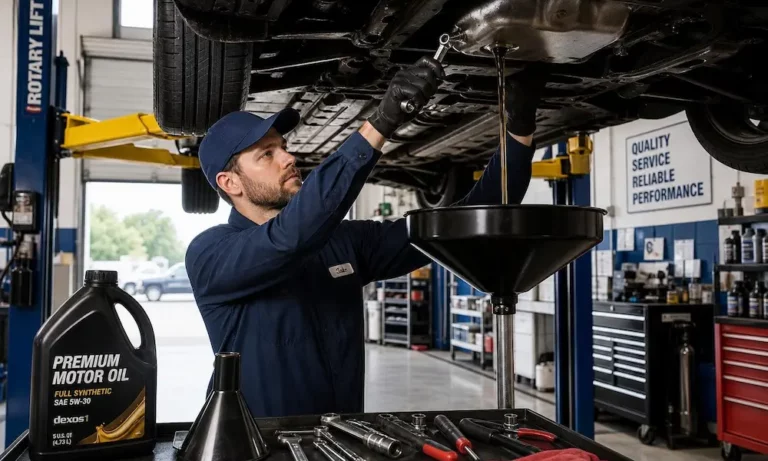
So, how much is an oil change at Honda? The short answer: anywhere from $60 to $140 at a dealership, depending on your model and the oil type required.
Here’s the full pricing breakdown:
| Oil Type | Typical Price Range | Change Interval |
|---|---|---|
| Conventional | $35 – $75 | 3,000 – 5,000 miles |
| Synthetic Blend | $49 – $90 | 5,000 – 7,500 miles |
| Full Synthetic | $65 – $140 | 7,500 – 10,000 miles |
| High-Mileage Synthetic | $108 – $125 | 5,000 – 7,500 miles |
Most modern Hondas require full synthetic oil — specifically 0W-20 viscosity, which is designed to protect tight engine tolerances and reduce wear during cold starts. So if you drive a recent Civic, CR-V, or Accord, budget for the full synthetic tier.
Real-world dealership examples show:
- A New Jersey Honda dealer charges $59.95 for four-cylinder engines and $69.95 for six-cylinder models
- A Texas dealership offers synthetic changes for as low as $55.95 with a coupon
Honda Oil Change Costs by Model
Your specific model drives the price. Larger engines hold more oil, which means higher material costs per service.
| Honda Model | Avg. Annual Maintenance | Notes |
|---|---|---|
| HR-V | $301 | Most affordable to maintain |
| Civic | $368 | Standard 4-cylinder, lowest oil cost |
| Accord | $400 | Slightly larger engine |
| CR-V | $407 | Popular family SUV |
| Pilot | $542 | V6, may exceed 5-quart threshold |
| Odyssey | $547 | Heaviest usage patterns |
The Honda Civic and Accord hold roughly 4.2 to 5.0 quarts of oil — right at the standard five-quart mark most shops price around. Stay under that threshold and you’ll rarely pay extra.
The Honda Pilot and Odyssey are a different story. Their V6 engines often push past five quarts, which can trigger an additional charge at many shops. Always ask before the service starts.
How the Honda Maintenance Minder Affects Your Service Schedule
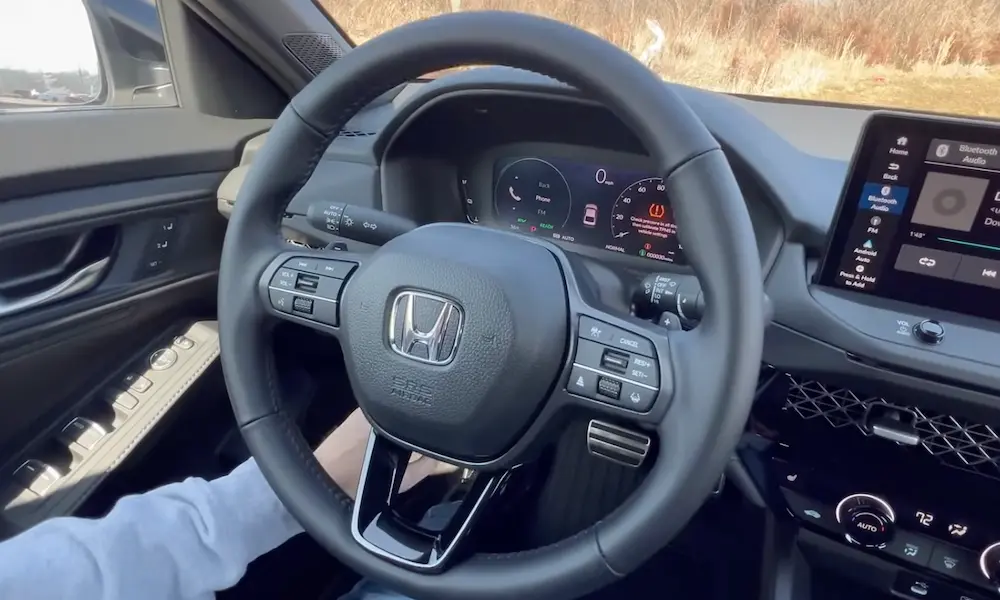
Forget the old “change your oil every 3,000 miles” rule. Honda replaced that with the Maintenance Minder system — a smart onboard computer that tracks your actual driving habits.
The system monitors:
- Engine speed and temperature
- Total engine revolutions
- Time spent idling
- Ambient temperatures
It then displays your remaining oil life as a percentage. Here’s what each alert means:
- 15% remaining → “Service Due Soon” — time to book an appointment
- 5% remaining → “Service Due Now” — don’t delay
- 0% → “Past Due” — get it done immediately
A highway driver in a mild climate might hit 10,000 miles before seeing an alert. A city driver making constant short trips in cold weather? The system might flag service at 4,000 miles. This approach means you pay for maintenance only when your car actually needs it.
What Do Honda Service Codes Mean?
When the Maintenance Minder triggers, it shows a code that tells you exactly what’s needed. Understanding these Honda maintenance codes saves you from unnecessary upsells.
Main Codes:
- A — Oil change only
- B — Oil change + filter + full multi-point inspection
Sub-codes:
- 1 — Tire rotation
- 2 — Air filter + cabin filter replacement
- 3 — Transmission fluid
- 4 — Spark plugs
- 5 — Engine coolant
- 6 — Rear differential fluid (AWD models)
- 7 — Brake fluid
A simple A service runs $60–$80 at most dealerships. A B1 service (oil, filter, inspection, tire rotation) can hit upwards of $199.95 as a bundled package — though that’s often cheaper than paying for each item separately.
Dealership vs. Quick Lube vs. Independent Shop
Knowing how much is an oil change at Honda also means comparing your options honestly. Each provider has real trade-offs.
Honda Dealerships
Dealerships use factory-trained technicians, genuine Honda oil filters, and approved lubricants. They also reset the Maintenance Minder correctly and use the right aluminum crush washer on the drain plug — a small detail that prevents oil leaks that many quick-lube shops skip.
Most dealerships include a free multi-point inspection with every oil change, checking:
- Brake pad thickness and rotor condition
- Battery health and cold-cranking amps
- Tire tread and wear patterns
- Fluid levels and clarity
- Exhaust and suspension integrity
This inspection alone can catch issues early and save you from expensive repairs later.
National Quick-Lube Chains
| Provider | Conventional Price | Full Synthetic Price |
|---|---|---|
| Walmart Auto Care | $28.88 | $45 – $55 |
| NTB / Pep Boys | $19.95 – $24.99 | $65 – $85 |
| Jiffy Lube | $45 | $94 – $99 |
| Valvoline | $50.99 | $100 – $110 |
| Firestone | $35 | $70 – $100 |
These chains are fast and cheap. But they may not reset your Maintenance Minder properly or use the correct Honda-spec filter. If you go this route, verify the oil spec before they start and confirm the reset afterward.
Independent Repair Shops
Local mechanics typically charge $70–$100 for a full synthetic oil change. They offer a middle ground — more personal service than a chain, lower overhead than a dealership. For older, higher-mileage Hondas no longer under warranty, an independent shop is often the smart call.
How Location Changes What You Pay
Where you live matters almost as much as where you take your car.
| Region | Typical Full Synthetic Price | Key Factors |
|---|---|---|
| California | $100 – $125 | High labor rates, environmental fees |
| New York | $110 – $130 | Urban overhead, high cost of living |
| Texas | $70 – $95 | Competition, lower overhead |
| Ohio | $75 – $90 | Regional dealership clusters |
| Florida | $85 – $110 | High volume, seasonal demand |
California and New York consistently rank as the most expensive markets. Texas and Ohio offer more competitive pricing, with dealerships using oil change promotions to attract long-term service customers. Always check your local dealership’s service specials page before booking.
The Honda Service Pass: Free Oil Changes for New Buyers
If you recently bought a new Honda, you might not need to pay for oil changes at all — at least not yet.
The Honda Service Pass covers factory-scheduled maintenance triggered by the Maintenance Minder. Coverage breaks down like this:
- 2023–2024 models: 2 years or 24,000 miles (whichever comes first)
- 2025+ models: 1 year or 12,000 miles
The plan covers oil changes, filter replacements, tire rotations, and multi-point inspections — all performed with genuine Honda parts at a participating dealership.
A few things to know:
- It’s transferable to a subsequent owner, which boosts resale value
- It does not cover brake pads, wiper blades, or tires
- Service must happen at a participating dealership — independent shop visits won’t be reimbursed
- Keeping up with scheduled service protects your powertrain warranty
For new Honda buyers, this program essentially eliminates the cost question for the first year or two of ownership. Use it.
Honda Express Service: Dealership Quality, Quick-Lube Speed
Many Honda dealerships now offer Express Service bays — no appointment needed, multiple technicians working simultaneously, job done in 30 to 45 minutes.
You get:
- Full dealership quality and genuine parts
- A proper Maintenance Minder reset
- Multi-point inspection included
- No appointment required
The price is identical to a standard service appointment. It’s the best of both worlds if your schedule doesn’t allow for waiting around.
How to Pay Less Without Cutting Corners
Here’s how to keep your oil change costs down without sacrificing quality:
Check dealership service specials pages. Most Honda dealers post rotating discounts online — typically $10–$20 off oil changes. Bookmark your local dealer’s specials page and check before every visit.
Bundle your services. When the Maintenance Minder shows an A1 or B1 code, get the oil change and tire rotation done together. Bundled labor usually costs less than two separate visits.
Use loyalty programs. Many dealerships offer high-mileage or loyalty discounts for returning customers — especially for vehicles over 100,000 miles.
Don’t skip synthetics to save money. Paying $20 extra for full synthetic is minor compared to a $4,000–$6,000 engine replacement from oil sludge buildup. Sludge forms when oil breaks down and clogs internal passages — and it’s entirely preventable.
The Real Cost of Skipping an Oil Change
Honda vehicles average just $428 per year in maintenance costs — well below the industry average of $652. That gap exists because Honda owners tend to stay on top of basic maintenance.
Skipping oil changes erases that advantage fast. Old oil loses viscosity, stops protecting metal surfaces, and leaves behind deposits that restrict oil flow. The damage compounds with every mile. An engine replacement wipes out years of savings in a single repair bill.
A consistent oil change schedule — done on time, with the right oil — is the single most effective thing you can do to keep your Honda running long-term. It also supports resale value, as buyers pay more for vehicles with documented dealer service histories.
Your Maintenance Minder tells you exactly when to go. Trust it, act on it, and your Honda will reward you with years of reliable, low-cost ownership.