Ever glanced down at your dash to see that pesky “Oil Change Required” reminder glaring at you? If you’ve just handled an oil change on your Jeep Wrangler but that light won’t quit, you’re facing a common Jeep owner challenge. Resetting this indicator is quick and straightforward once you know the right steps for your specific model year.
Why Reset Your Oil Change Indicator?
Your Jeep’s oil change indicator isn’t just there to annoy you – it’s actually a sophisticated system that tracks your driving conditions, engine load, and mileage to recommend maintenance at the right time. After changing your oil, resetting this system is crucial because:
- It ensures accurate timing for your next oil change
- It prevents unnecessary warning messages
- It allows other important dash alerts to be visible
- It helps maintain proper service records
Without resetting, your Jeep will continue thinking it needs an oil change, even with fresh oil pumping through its veins.
Different Reset Methods by Wrangler Generation
Your reset method depends entirely on which generation of Wrangler you drive. Let’s break it down by model years.
Jeep Wrangler JK Models (2007-2018)
The JK generation Wranglers typically use one of two reset methods:
Method 1: The Accelerator Pedal Reset
This is the most common method for JK models and requires no special tools:
- Insert your key and turn to the “ON/RUN” position (don’t start the engine)
- Press the accelerator pedal all the way down and release it completely 3 times within 10 seconds
- Turn the ignition to “OFF/LOCK” position
- Start your Jeep to verify the message has cleared
This technique triggers the onboard diagnostic system to reset the oil life counter. Some owners report needing multiple attempts, so don’t worry if it doesn’t work on your first try.
Method 2: Instrument Cluster Reset (Later JK Models)
Later JK Wranglers (particularly 2016-2018) may offer a menu-based reset:
- Turn key to “ON/RUN” without starting the engine
- Use the steering wheel arrows to find “Vehicle Info” then “Oil Life”
- Press and hold the “OK” button until the gauge resets to 100%
If your JK has steering wheel controls, this method tends to be more reliable than the pedal technique.
Jeep Wrangler JL Models (2018-Present)
The newer JL Wranglers use a streamlined menu-based system:
- Press the engine start/stop button twice (without pressing the brake) to enter “ON/RUN” mode
- Use the left arrow buttons on your steering wheel to select “Vehicle Info”
- Scroll to “Oil Life” using the up/down arrows
- Press and hold the “OK” button until your oil life percentage resets to 100%
This method works consistently across all JL models, including the hybrid and 4xe variants.
Reset Method Comparison Table
| Model Generation | Primary Reset Method | Alternate Method | Confirmation Sign |
|---|---|---|---|
| JK (2007-2018) | Accelerator pedal press (3x) | Menu navigation (if equipped) | “Change Oil” message disappears |
| JL (2018-Present) | Steering wheel menu navigation | None | Oil life resets to 100% |
Troubleshooting Failed Reset Attempts
If your reset attempt didn’t work, don’t panic. Try these troubleshooting steps:
1. Verify Proper Ignition State
Make absolutely sure your Jeep is in the correct ignition position:
- For JK models: Key should be in “ON/RUN” position (not START)
- For JL models: Press start button twice without touching brake
2. Check Your Timing
When using the accelerator pedal method, timing matters:
- All three pedal presses must happen within 10 seconds
- Fully depress and fully release each time
- Keep a steady rhythm rather than rushing
3. Battery Considerations
A weak battery can interfere with the reset procedure. If you’ve been having battery issues, this might be why your reset failed. Consider having your battery tested if problems persist.
4. Try an Alternative Method
If you’ve tried the primary method multiple times without success:
- JK owners: Try the menu method if your model has it
- JL owners: Try turning the ignition off completely, waiting 30 seconds, then trying again
Special Considerations for Specific Models
Diesel-Powered Wranglers
If you’re driving an EcoDiesel Wrangler:
- Follow the standard reset procedure for your model year
- After resetting via the instrument cluster, navigate to the “Engine Hours” menu to verify oil life synchronization
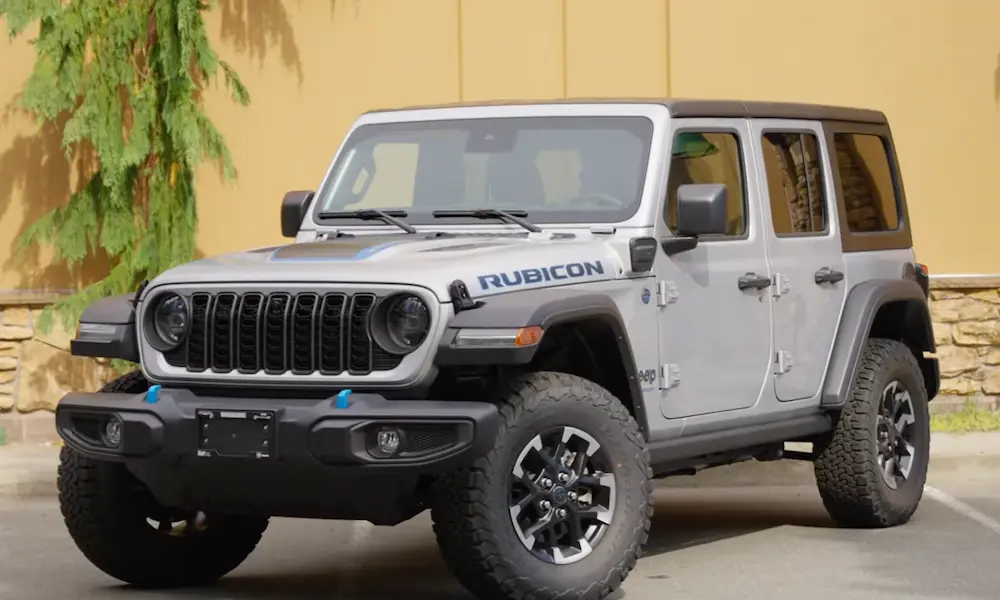
High-Performance Models (Rubicon 392)
For Rubicon 392 owners:
- Ensure your vehicle is in “Park” position
- Engage the parking brake before starting the reset procedure
- Follow the standard JL reset sequence through the instrument cluster
Maintaining Oil Change Intervals
While resetting your oil indicator, remember these maintenance best practices:
Recommended Oil Types
Most Wranglers perform best with:
- SAE 5W-20 or 5W-30 synthetic oil (check your owner’s manual for specific recommendations)
- OEM-specified oil filter
Tracking Service History
To maintain your Jeep properly:
- Reset the system immediately after each oil change
- Keep a log of service dates and mileage in your glove compartment
- Consider using a maintenance tracking app
How Your Jeep’s Oil Monitoring System Works
Understanding your Wrangler’s oil monitoring system helps explain why resetting is important. Unlike older vehicles that simply count miles, your Jeep uses a sophisticated algorithm that considers:
- Engine revolutions and operating temperatures
- Start-up and cool-down cycles
- Trip duration patterns
- Idle time versus highway driving
- Climate conditions
This duty cycle-based system provides much more accurate maintenance intervals than a simple odometer reading.
When Your Jeep’s Oil Actually Needs Changing
Your Jeep will typically alert you between 3,000-7,500 miles, depending on your driving conditions. Signs that confirm you need an oil change include:
- “Oil Change Required” message on dash
- Darker, dirty-looking oil on the dipstick
- Slight engine knocking or ticking
- Reduced fuel economy
After changing your oil, remember that resetting the indicator doesn’t just clear an annoying light – it recalibrates the entire monitoring system so it can accurately track your next service interval.
Why DIY Oil Changes and Resets Make Sense
Handling your own oil change and reset offers several advantages:
- Save $40-80 compared to dealership service
- Gain deeper knowledge of your Jeep’s condition
- Ensure quality control over materials used
- Flexibility to perform maintenance on your schedule
The reset process takes less than a minute once you know the procedure for your specific Wrangler model.
Keeping Your Engine Protected Between Changes
In addition to timely oil changes and proper resets, you can maximize engine protection by:
- Checking oil levels monthly (especially before long trips)
- Avoiding excessive idling in extreme temperatures
- Using the recommended grade of oil for your climate
- Following severe duty maintenance schedules if you frequently tow or drive off-road
Your Wrangler is built for adventure, and proper oil maintenance ensures it’ll be ready when you are.
The Bigger Picture: Oil Changes in Your Jeep’s Maintenance Schedule
Oil changes are just one component of your Jeep’s maintenance needs. As you reset your oil indicator, take a moment to check your owner’s manual for other services that might be due:
- Tire rotation (typically every other oil change)
- Air filter inspection
- Transfer case fluid checks
- Differential fluid service
Viewing oil changes as part of this larger maintenance picture helps keep your Wrangler in peak condition for years of reliable service.
Remember, taking a minute to reset your oil change indicator isn’t just about clearing a dashboard light – it’s about ensuring your Jeep’s sophisticated monitoring system has accurate information to protect your engine for all your future adventures.