Gas prices are brutal right now. And if you’ve driven past a Costco station lately, you’ve probably wondered if that membership card is the secret weapon your wallet needs. Spoiler: the answer isn’t just yes — it’s more interesting than that. Read to the end, because the math might genuinely surprise you.
Yes, Costco Gas Is Cheaper — But Here’s the Catch
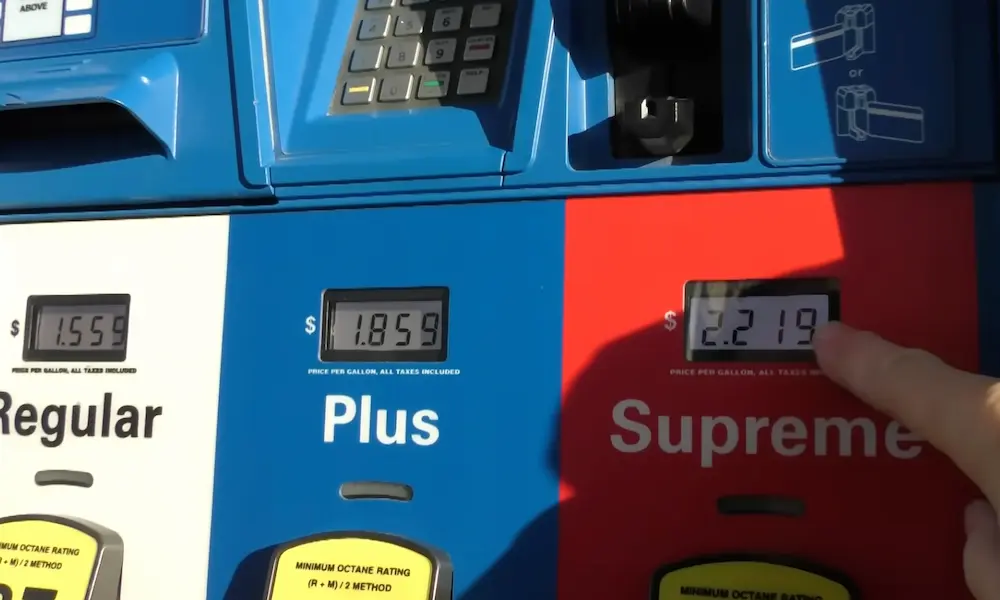
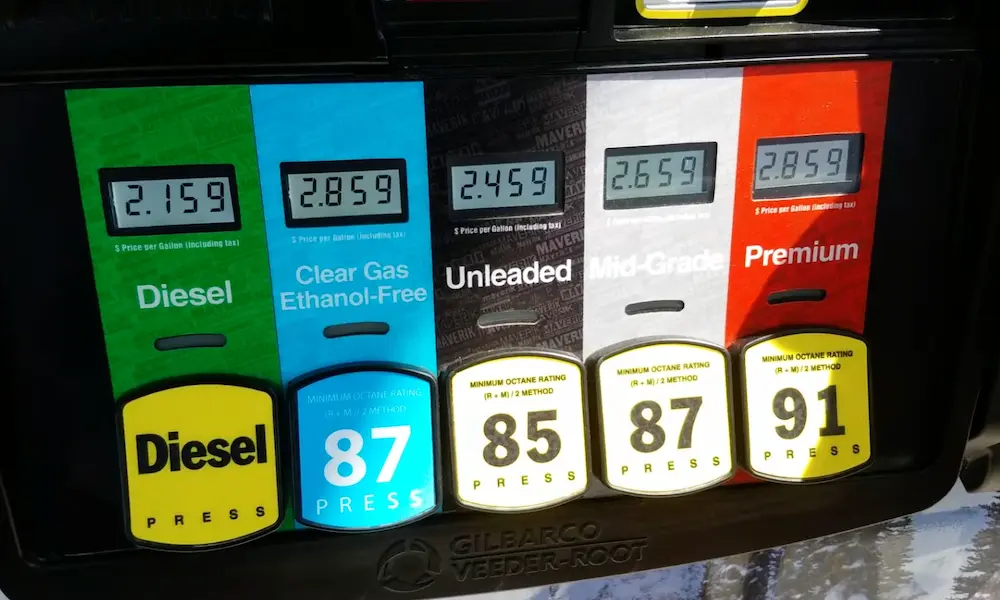
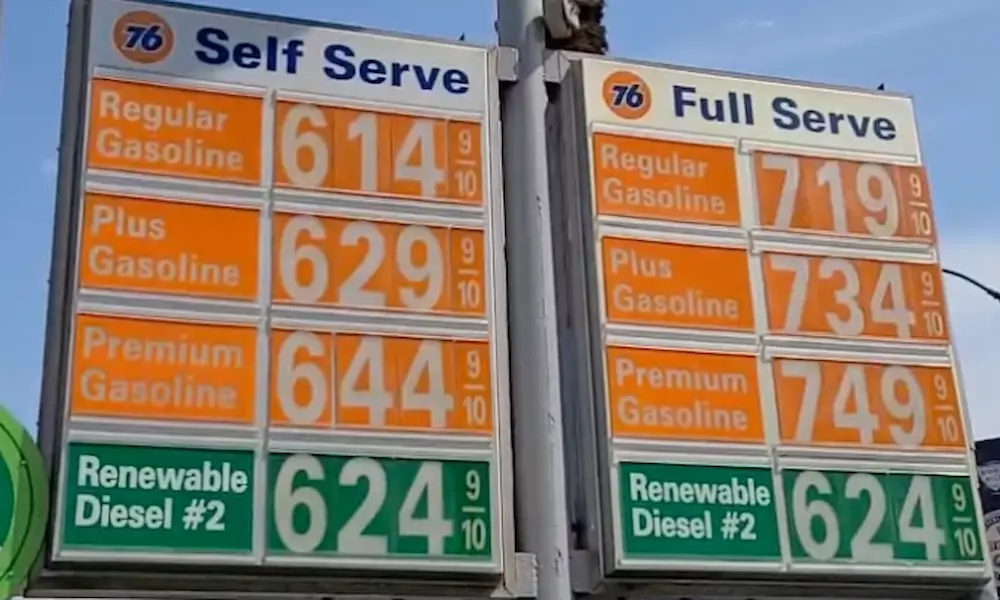
Let’s get straight to it. Costco consistently prices its gas below the local market average — often by $0.10 to $0.40 per gallon depending on where you live. In expensive states like California or Washington, that gap can hit $0.50 per gallon during price spikes.
But here’s the catch: you need a membership to access those pumps. So the real question isn’t just “is Costco gas cheaper?” It’s “is it cheap enough to justify the annual fee?”
That’s what we’re breaking down today.
What’s Happening to Gas Prices Right Now
Gas prices in 2026 have been a rollercoaster. At the start of the year, the national average sat around $2.96 per gallon. Then geopolitical conflict in the Middle East threatened the Strait of Hormuz — a critical shipping lane for global oil — and prices shot up fast.
By late May 2026, the national average peaked near $4.56 per gallon. That’s a 54% jump in just a few months. The Independence Day 2026 average became the second most expensive on record.
During those spikes, Costco’s fuel lines got longer. A lot longer. Members were actively rerouting their drives to reach those pumps — and the data shows it worked in their favor.
How Much Cheaper Is Costco Gas, Exactly?
The savings depend heavily on your state. Here’s a snapshot of average regular unleaded prices from mid-2026:
| State | Average Price Per Gallon | Market Context |
|---|---|---|
| Hawaii | $5.53 | Island logistics; fully maritime-dependent supply |
| California | $5.51 | Highest state fuel taxes; strict summer blending rules |
| Washington | $5.27 | High taxation; West Coast supply constraints |
| Oregon | $4.78 | Shared West Coast vulnerabilities |
| Virginia | $3.64 | Mid-Atlantic baseline |
| Oklahoma | $3.43 | Low taxes; local energy infrastructure |
| Texas | $3.36 | Proximity to major refining capacity |
| Indiana | $3.30 | Competitive Midwest market |
In California, where the baseline is already above $5.50, Costco’s discount hits hardest. In Texas or Indiana, you’re looking at a smaller — but still real — gap of $0.10 to $0.15 per gallon.
The Membership Math: Does It Actually Pay Off?
Here’s where it gets interesting. A standard Costco Gold Star membership costs $65 per year. The Executive tier runs $130. To know if Costco gas is cheaper for you, you need to calculate your personal break-even point.
The average American drives enough to consume about 492 gallons of gas per year.
| Per-Gallon Savings | Gallons to Break Even | Notes |
|---|---|---|
| $0.05 | 1,300 gallons | Requires heavy driving or multiple vehicles |
| $0.10 | 650 gallons | Above-average commuter mileage needed |
| $0.13 | 500 gallons | Roughly matches the national average driver |
| $0.20 | 325 gallons | Achievable for most suburban commuters |
| $0.30 | 216 gallons | Fast ROI — less than 6 months of average driving |
| $0.50 | 130 gallons | Common in high-cost coastal markets |
If you’re in a high-cost market and saving $0.30 or more per gallon, you’ll recover your membership fee in roughly six months of normal driving. Every gallon after that is pure savings.
Stack that with the Costco Anywhere Visa card’s 4-5% cash back on fuel purchases, and the returns get even better.
How Costco Keeps Prices So Low (It’s Not a Loss Leader)
Here’s a myth worth busting: Costco doesn’t lose money on gas. It just makes very little per gallon — and that’s completely intentional.
The secret is the membership model. Costco collected over $5.3 billion in membership fees in fiscal year 2025. That revenue covers operating costs and generates the bulk of corporate profit. So the company doesn’t need to squeeze margin out of every gallon it sells.
Traditional gas stations do. They rely on selling overpriced coffee and snacks inside to survive on razor-thin fuel margins. Costco doesn’t have that problem.
The result? When crude oil prices spike, Costco deliberately compresses its margins instead of passing the full cost to members. During the 2026 price surge, the gap between Costco and traditional stations ballooned to $0.30 to $0.40 per gallon in some markets.
Then, when prices fall? Costco brings its prices down more slowly than competitors — quietly recouping the margins it sacrificed during the spike. Smart strategy, and members barely notice.
Costco vs. Other Membership Gas Programs
Costco isn’t the only retailer tying fuel discounts to subscriptions. Here’s how the main players compare:
| Retailer | Program | Annual Fee | Estimated Savings Per Gallon |
|---|---|---|---|
| Costco | Gold Star Membership | $65 | $0.05–$0.40 (varies by market) |
| Sam’s Club | Standard Membership | $50 | $0.05–$0.25 |
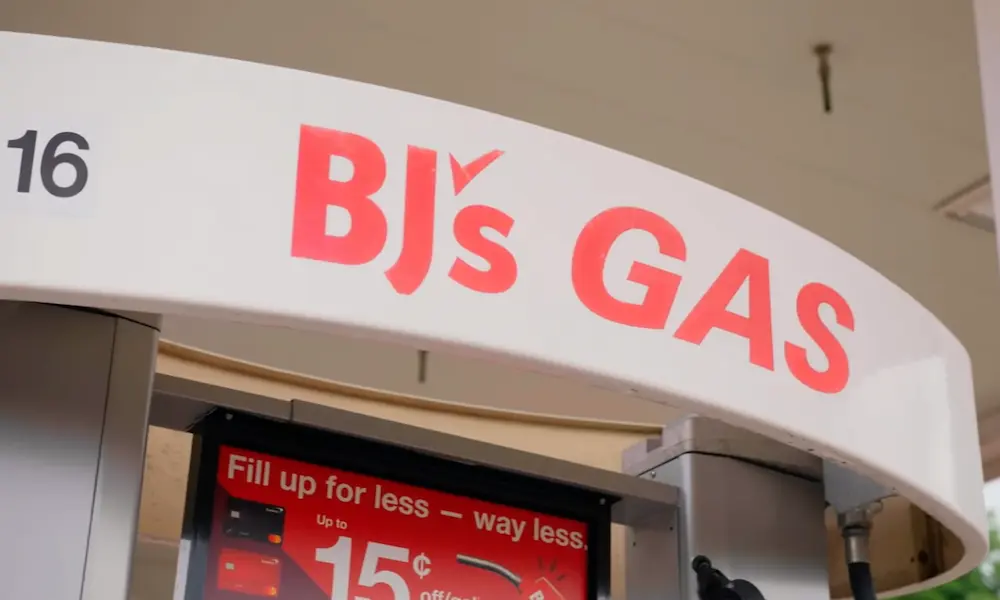
| BJ’s Wholesale | Inner Circle | $60 | $0.05–$0.25 |
| Walmart | Walmart+ | $98 | $0.10 (flat, at partner stations) |
| Amazon | Prime | $139 | $0.10 (flat, at partner stations) |
The flat-rate digital programs like Walmart+ and Amazon Prime are convenient — they work at a huge network of existing stations. But the warehouse clubs beat them during price spikes, because there’s no ceiling on how low Costco can go when it chooses to absorb cost increases.
Is Costco Gas Actually Good Quality?
This is where a lot of people get surprised. Cheaper gas sounds like it might be cutting corners. It’s not.
Costco’s Kirkland Signature Gasoline meets the Top Tier Detergent Gasoline standard — a certification created in 2004 by a coalition of major automakers including BMW, Toyota, Ford, GM, Honda, Mercedes-Benz, and Volkswagen. These manufacturers created the standard because the EPA’s baseline fuel requirements weren’t keeping modern engines clean.
The Top Tier standard requires rigorous third-party lab testing. Fuel must actively prevent carbon deposits from forming on intake valves, fuel injectors, and in combustion chambers — while also removing existing buildup.
Kirkland Signature fuel contains five times the EPA’s minimum detergent requirement — on both regular and premium grades. For context, Shell V-Power NiTRO+ claims six times, and Phillips 66 claims three times. Costco lands squarely in premium territory.
Clean fuel translates to real benefits for your car:
- Better fuel economy — no carbon deposits blocking injectors from atomizing fuel efficiently
- Smoother acceleration — clean valves mean proper airflow into the combustion chamber
- Lower emissions — complete combustion means fewer unburned hydrocarbons hitting your catalytic converter
- Lower maintenance costs — protecting injectors and fuel system components over time
The station infrastructure backs this up too. Every pump uses filtration systems that catch particles as small as 10 microns — roughly the width of a human hair is 70 microns, so this filtration is exceptionally fine. Underground tanks get weekly chemical sampling and continuous electronic monitoring for water contamination. This is a properly run fuel operation, not a cut-rate setup.
The Wait Time Problem (And How to Beat It)
Yes, the lines can be long. Depending on location and time of day, you might wait 5 to 20 minutes. That’s real, and you should factor it in.
But Costco’s station design minimizes unnecessary waiting. Two things stand out:
One-way traffic flow. All vehicles move in a single direction, eliminating the gridlock chaos of traditional stations where people jockey and reverse awkwardly.
Extra-long hoses. The retractable hoses stretch across both sides of your vehicle. It doesn’t matter which side your fuel door is on — pull into any open lane and reach across. This sounds minor, but it keeps every pump active instead of half of them sitting empty while a queue forms for the “right side” lanes.
The timing hack most members swear by: Go early or go late. Stations often open at 6 or 7 a.m., hours before the warehouse itself. Members who fuel up between 6 and 8 a.m. frequently report little to no wait. The same goes for the final hour before closing.
One more thing to avoid: don’t drive 10 miles out of your way to save $0.10 per gallon on a 15-gallon fill-up. That’s $1.50 saved. The detour alone burns half a gallon and eats 20 minutes of your day. The math doesn’t work. Stay practical.
Costco’s New Standalone Gas Stations: A Bigger Threat to Your Local Pump
Here’s where things get genuinely interesting for the future.
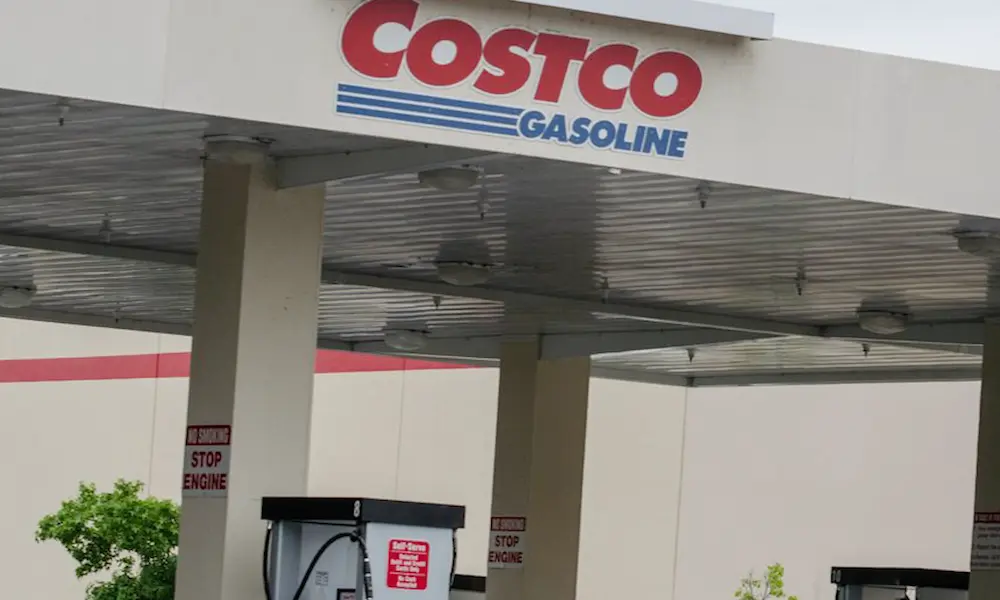
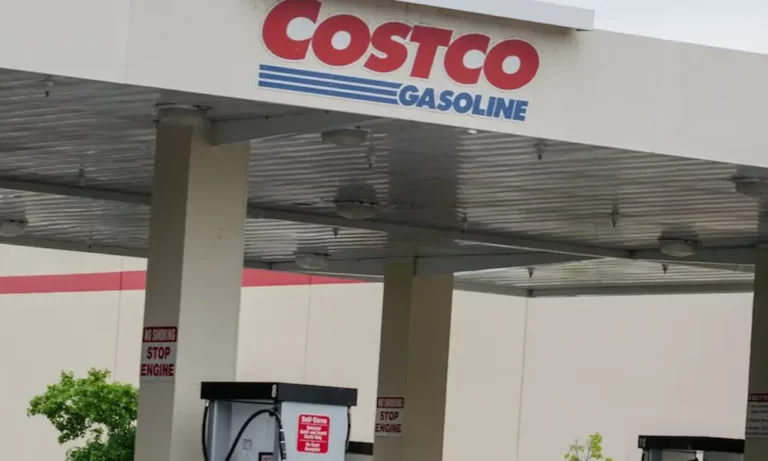
Costco just opened its first standalone gas station in Mission Viejo, California — no warehouse attached, no food court, just fuel. The numbers are staggering:
- 17,000+ square feet of canopy coverage
- 40 fueling positions
- Three 40,000-gallon underground storage tanks
- Capacity to serve an estimated 5,000+ vehicles per day
Access is still members-only. But now Costco can plant these facilities in dense urban markets where a 150,000-square-foot warehouse would never fit.
A second standalone location is planned for Honolulu in 2027. If this model rolls out nationally, traditional convenience stores face a serious problem. They rely on overpriced interior items to subsidize cheap fuel. Costco uses $5.3 billion in membership revenue to do the same thing — without needing to sell you a $4 energy drink.
Walmart is also expanding its branded fueling network to 450+ locations nationwide. The retail gas war is heating up, and the consumer is winning.
So, Is the Membership Worth It for Gas Alone?
Here’s the honest answer: it depends on where you live.
- High-cost states (California, Washington, Hawaii): Almost certainly yes. You’ll hit your break-even in under six months. The gas savings alone justify the $65 fee.
- Mid-range markets (Virginia, Colorado, Arizona): Likely yes, if you drive regularly. A $0.20 gap means you break even at 325 gallons — about half a year of average driving.
- Low-cost, competitive markets (Texas, Indiana, Oklahoma): It’s closer. If the gap is only $0.05 to $0.10, you’d need heavy driving volumes to recover the fee purely from fuel savings. The membership’s other perks — pharmacy discounts, travel deals, the Executive 2% reward — need to factor into your calculation.
The bottom line is clear. Costco gas is cheaper, it’s genuinely high-quality fuel, and during price spikes it becomes significantly cheaper than almost any alternative. If you live in a high-fuel-cost area and drive a normal amount, the math works solidly in your favor.