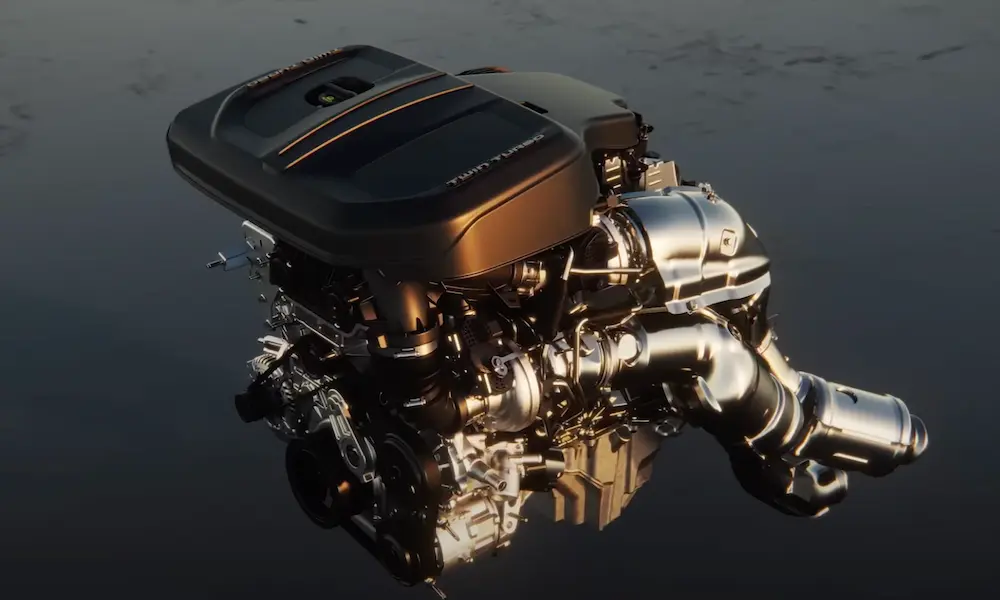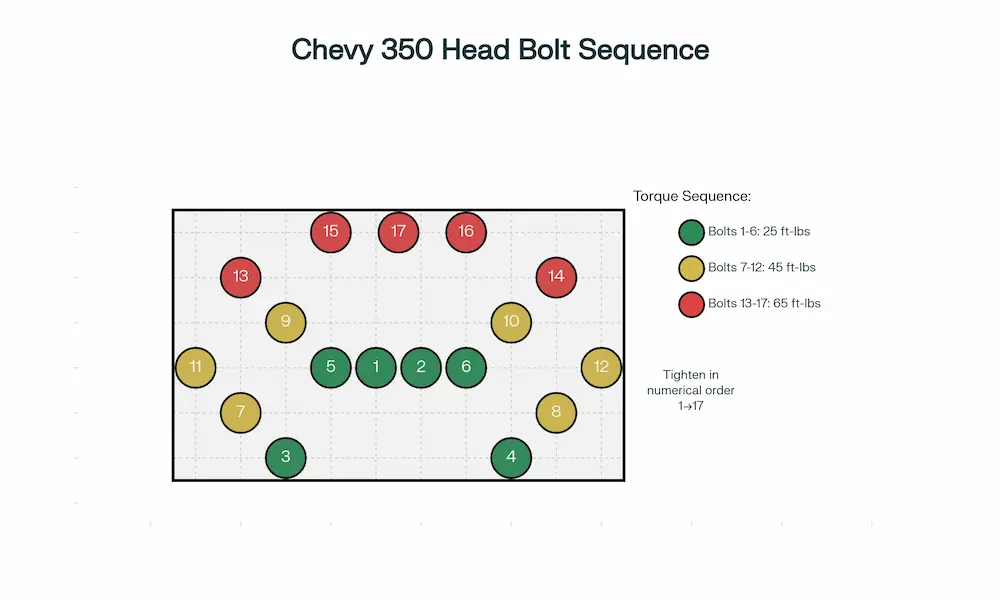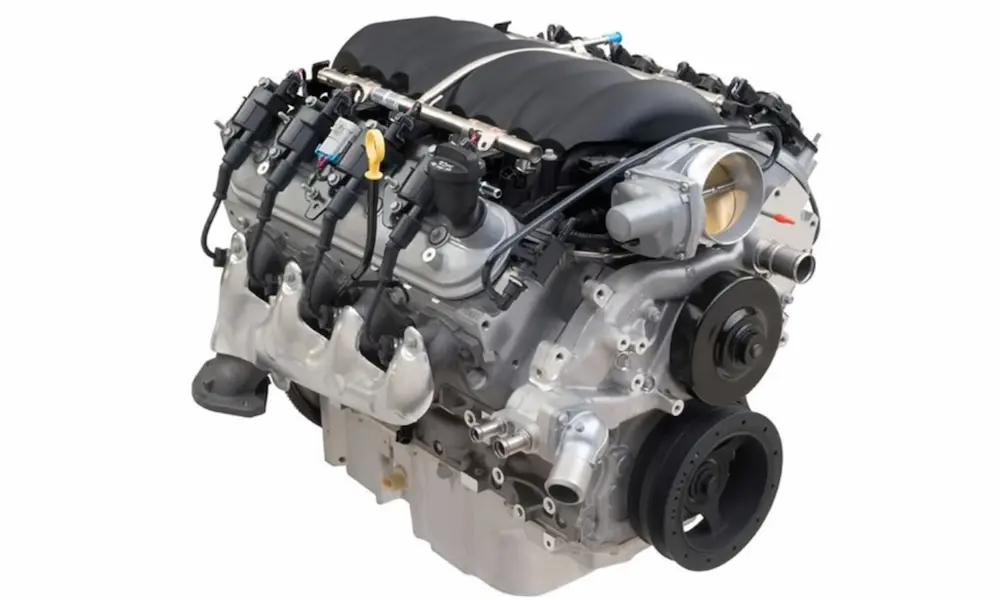
Looking for detailed information about the L83 engine? Whether you’re considering a Chevy Silverado or GMC Sierra with this powerplant, planning an upgrade, or just curious about what makes this V8 tick, you’re in the right place. This guide breaks down everything from performance figures to the advanced technologies that make the L83 a standout in GM’s lineup.
What is the L83 Engine?
The L83 is a 5.3-liter V8 engine part of GM’s EcoTec3 family, introduced in 2014 as part of the fifth-generation small block engines. It’s primarily found in popular full-size trucks and SUVs like the Chevrolet Silverado, GMC Sierra, Tahoe, and Suburban.
What makes the L83 special is its balance of traditional V8 power with modern fuel-saving technologies. It’s essentially GM’s answer to the question: “How do we keep V8 trucks relevant in an increasingly fuel-conscious market?”
L83 Engine Core Specifications
Let’s start with the basics. The L83 engine’s fundamental specs tell you a lot about its design philosophy:
| Specification | Value |
|---|---|
| Displacement | 5.3L (5328cc/325 cubic inches) |
| Configuration | V8, 90-degree |
| Block & Heads Material | All-aluminum construction |
| Bore x Stroke | 96.01mm (3.78″) x 92mm (3.62″) |
| Compression Ratio | 11.0:1 |
| Valvetrain | OHV (pushrod), 2 valves per cylinder |
| Firing Order | 1-8-7-2-6-5-4-3 |
| Max Engine Speed | 5,800 RPM |
The all-aluminum construction represents a significant weight reduction compared to older iron-block designs, improving overall vehicle efficiency while maintaining durability. The relatively high 11.0:1 compression ratio helps the engine extract more energy from each drop of fuel without requiring premium gasoline.
L83 Performance Numbers
The L83’s output varies depending on the fuel you’re using:
Regular Gasoline Performance:
- 355 horsepower at 5,600 RPM
- 383 lb-ft of torque at 4,100 RPM
E85 Flex-Fuel Performance:
- 380 horsepower at 5,600 RPM
- 416 lb-ft of torque at 4,100 RPM
These figures position the L83 as a capable workhorse with enough power for confident towing and hauling while remaining efficient enough for daily driving. The torque curve is deliberately designed to deliver strong pulling power throughout the normal driving range, which is exactly what you want in a truck engine.
Advanced Technologies in the L83
What sets the L83 apart from older V8s are three key technologies that work together to improve efficiency without sacrificing power:
Direct Fuel Injection
Unlike conventional port injection systems, the L83’s direct injection system sprays fuel directly into the combustion chamber. This precision delivers several benefits:
- More complete combustion for better efficiency
- Lower-temperature operation
- Ability to run leaner air-fuel mixtures
- Reduced fuel consumption for the same power output
This technology alone represents a significant advancement over older GM small blocks and helps the engine achieve its impressive blend of power and economy.
Active Fuel Management (AFM)
This cylinder deactivation system is essentially a fuel-saving trick that works surprisingly well:
- During light-load conditions (like highway cruising), the engine deactivates four cylinders
- The L83 effectively becomes a V4 engine when full power isn’t needed
- When you need power again, all eight cylinders seamlessly reactivate
- The transitions happen so smoothly most drivers never notice
AFM can reduce fuel consumption by up to 12% in optimal conditions, making a big difference in the real-world economy of large trucks and SUVs equipped with this engine.
Variable Valve Timing (VVT)
The L83 employs a dual-equal cam phasing system that adjusts camshaft timing for both intake and exhaust valves simultaneously. This technology:
- Optimizes combustion across different engine speeds and loads
- Improves power delivery at all RPMs
- Enhances throttle response
- Reduces emissions
It’s worth noting that implementing VVT on a pushrod engine represented a significant engineering challenge that GM successfully overcame.
Valvetrain and Oiling System
The L83’s overhead valve (OHV) configuration might seem old-school compared to overhead cam designs, but GM has continually refined this architecture:
- Hydraulic roller valve lifters reduce friction and improve durability
- Stronger, larger-diameter push rods enhance high-RPM reliability
- Optimized valvetrain geometry maintains precision valve control
The engine’s oiling system is particularly advanced:
- Variable-displacement oil pump adjusts pressure based on engine needs
- Oil-jet piston cooling directs pressurized oil at the underside of pistons
- These features reduce parasitic losses while ensuring proper lubrication and cooling
This blend of proven architecture with modern improvements gives the L83 excellent reliability even under demanding conditions.
Materials and Construction
GM didn’t just update the technology in the L83—they rethought the entire construction:
- All-new aluminum block casting offers significant weight reduction
- Redesigned cylinder heads feature optimized port shapes for direct injection
- High-strength aluminum pistons withstand increased combustion pressures
- Electronic throttle body and high-flow intake manifold maximize airflow
- Iridium-tipped spark plugs provide extended service life
These material choices help the L83 deliver better performance while reducing vehicle weight and improving overall efficiency.
Where You’ll Find the L83 Engine
The 5.3L EcoTec3 L83 has been a mainstay in GM’s truck and SUV lineup since 2014, powering:
Chevrolet Models:
- Silverado 1500 (various trims)
- Tahoe (LS, LT, LTZ, PPV, SSV)
- Suburban (LS, LT, LTZ)
GMC Models:
- Sierra 1500 (multiple trims including Denali)
- Yukon
- Yukon XL
If you’re looking at a used GM truck from 2014 and newer, you can identify an L83 engine by checking the VIN—it will have a “C” in the eighth position.
Related Engine Variants
The L83 family includes the L8B variant, which adds GM’s eAssist mild-hybrid technology:
- Same basic 5.3L architecture
- Additional electric motor providing 13 horsepower and 44 ft-lbs of torque
- Stop/start technology that shuts off the engine at idle
- Belt Alternator Starter (BAS3) system for quick, smooth restarts
- Up to 12% better fuel economy than the standard L83
This hybrid variant shows how GM is gradually electrifying their powertrain options while maintaining the core capabilities truck buyers expect.
Emissions and Efficiency Features
Beyond the three main technologies (DI, AFM, VVT), the L83 incorporates several other systems to optimize efficiency:
- Close-coupled catalytic converters for faster warm-up
- Three-way catalyst system for emissions control
- Quick Sync 58X ignition technology for precise spark control
- Returnless fuel rail design
- Fast-response oxygen sensors
- Positive crankcase ventilation
These components work together to ensure the engine meets emissions regulations while maintaining reliable performance.
Common L83 Engine Issues and Reliability
While the L83 is generally considered reliable, some owners have reported issues worth noting:
AFM-Related Problems
Some owners experience oil consumption related to the Active Fuel Management system. Aftermarket disablers are available for those who prefer to run all eight cylinders continuously.
Direct Injection Carbon Buildup
Like many direct-injection engines, the L83 can experience carbon deposits on intake valves over time. This happens because fuel isn’t washing over the valves as in port injection systems.
Lifter Issues
Some L83 engines have experienced lifter problems, particularly in earlier production years. GM has made updates to address these concerns.
Despite these potential issues, the L83 has proven to be a durable engine when properly maintained, with many examples easily surpassing 200,000 miles.
Maintenance Requirements
To keep an L83 engine running at its best:
- Use the recommended 0W-20 synthetic oil
- Follow GM’s recommended oil change intervals (typically 7,500-10,000 miles)
- Replace the engine air filter regularly
- Be aware of transmission fluid service intervals for optimal powertrain health
- Consider occasional fuel system cleaning to prevent injector issues
Performance Modifications for the L83
For those looking to extract more power from their L83:
- Cold air intakes can add 10-15 horsepower
- Performance exhaust systems improve flow and sound
- Custom ECU tuning can significantly increase power while disabling AFM if desired
- Cam upgrades offer substantial power gains but require additional supporting modifications
Aftermarket companies like Texas Speed offer complete performance packages for the L83, with potential gains of 80+ horsepower with the right combination of parts.
The L83 vs. Competitor Engines
How does the L83 stack up against similar engines from other manufacturers?
| Engine | Horsepower | Torque | Fuel Economy | Notable Features |
|---|---|---|---|---|
| GM 5.3L L83 | 355 hp | 383 lb-ft | 16/22 mpg* | DI, AFM, VVT |
| Ford 5.0L Coyote | 385-395 hp | 387-400 lb-ft | 15/21 mpg* | DOHC, Ti-VCT |
| RAM 5.7L HEMI | 395 hp | 410 lb-ft | 15/21 mpg* | MDS, VVT |
| Toyota 5.7L i-FORCE | 381 hp | 401 lb-ft | 13/18 mpg* | Dual VVT-i |
*Fuel economy figures are approximations and vary by vehicle configuration
The L83 offers competitive power with typically better fuel economy than its rivals, though it gives up some peak horsepower to competitors like the HEMI.
The Future of the L83 and GM V8s
As automotive technology evolves toward electrification, the L83 represents an interesting halfway point. GM has already replaced it with the newer L84 in some applications, which adds Dynamic Fuel Management (DFM) with the ability to run on any combination of cylinders, not just 4 or 8.
The long-term future likely involves further hybridization and eventually full electrification, but the L83’s efficient design has helped extend the viability of V8 engines in an increasingly efficiency-focused marketplace.
The L83’s Legacy in GM’s Lineup
The L83 successfully bridged the gap between traditional V8 power and modern efficiency demands. It demonstrated that pushrod V8 engines could still be relevant in the 21st century when updated with the right technologies.
Its combination of reasonable fuel economy, strong towing capability, and reliable performance has made it a popular choice in used GM trucks and SUVs, with a strong following among enthusiasts and everyday drivers alike.
Whether you’re shopping for a used truck, maintaining your current vehicle, or considering performance modifications, understanding the L83’s design and capabilities helps you make informed decisions about this popular GM powerplant.