Got a Jeep, Dodge, or Chrysler with electro-hydraulic steering? Choosing the wrong fluid can destroy a $1,000+ pump. This guide covers every MS-11655 power steering fluid equivalent that actually works — and which ones to avoid. Stick around, because the answer isn’t always the most expensive option on the shelf.
What Is MS-11655 Power Steering Fluid?
MS-11655 isn’t just a fancy label. It’s a specific material specification created by Chrysler (now Stellantis) for their electro-hydraulic power steering (EHPS) systems.
These systems use an electric motor to drive the hydraulic pump — no engine belt required. That motor runs fast, generates heat, and needs a fluid that stays thin in Arctic cold and stable at high temps. Regular power steering fluid won’t cut it here.
The fluid must be:
- Fully synthetic — no mineral oil blends
- Thermally stable — consistent viscosity from -57°C to 130°C+
- Seal-compatible — won’t shrink or swell rubber components
- Anti-wear formulated — phosphorus-based additives protect the pump
Pour conventional ATF or old-school PSF into one of these systems, and you’re looking at seal failure, pump damage, and a very unhappy wallet.
Which Vehicles Actually Need MS-11655?
Before you buy anything, confirm your vehicle uses an EHPS system. These systems became standard on most Chrysler rear-wheel-drive platforms starting in 2011.
| Make | Model | Years | System Type |
|---|---|---|---|
| Chrysler | 300 / 300C | 2011–2023 | Electro-Hydraulic |
| Dodge | Challenger | 2011–2023 | Electro-Hydraulic |
| Dodge | Charger | 2011–2023 | Electro-Hydraulic |
| Dodge | Durango | 2011–2023 | Electro-Hydraulic |
| Jeep | Grand Cherokee (WK2) | 2011–2021 | Electro-Hydraulic |
| Jeep | Wrangler (JL) | 2018–Present | EHPS (Gas Engines Only) |
| Jeep | Gladiator (JT) | 2020–Present | EHPS (Gas Engines Only) |
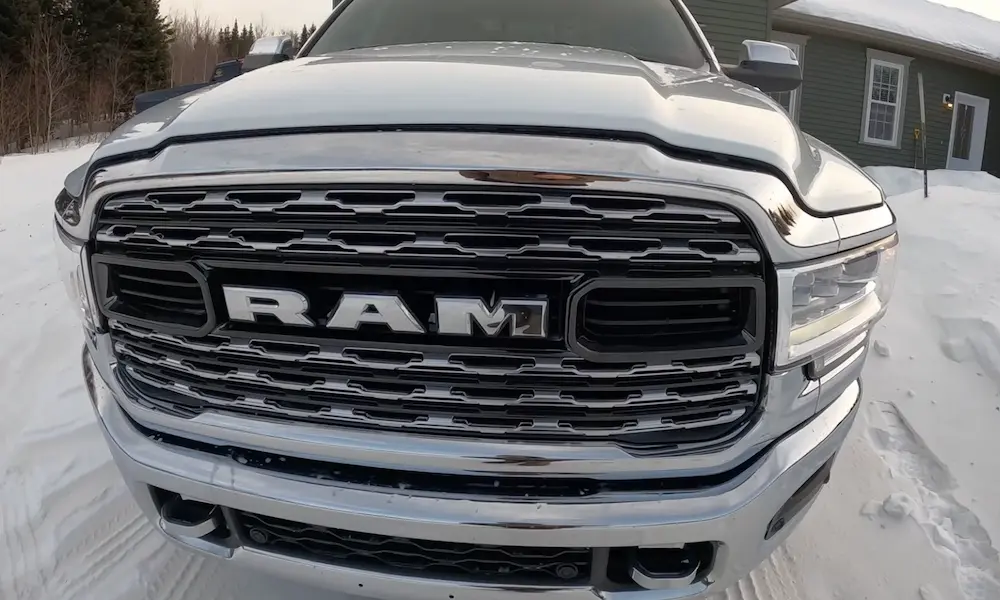
| Ram | 1500 (DS/DT) | 2013–2018 | Selected V6 and V8 Models |
Important: The Jeep Wrangler JL and Gladiator only use EHPS on gasoline engine variants. The 4xe plug-in hybrid and diesel models use full electric steering — no hydraulic fluid needed at all.
Not sure which system your truck has? Check the reservoir cap. It’ll say “MS-11655” or “Electronic Power Steering Fluid” right on it.
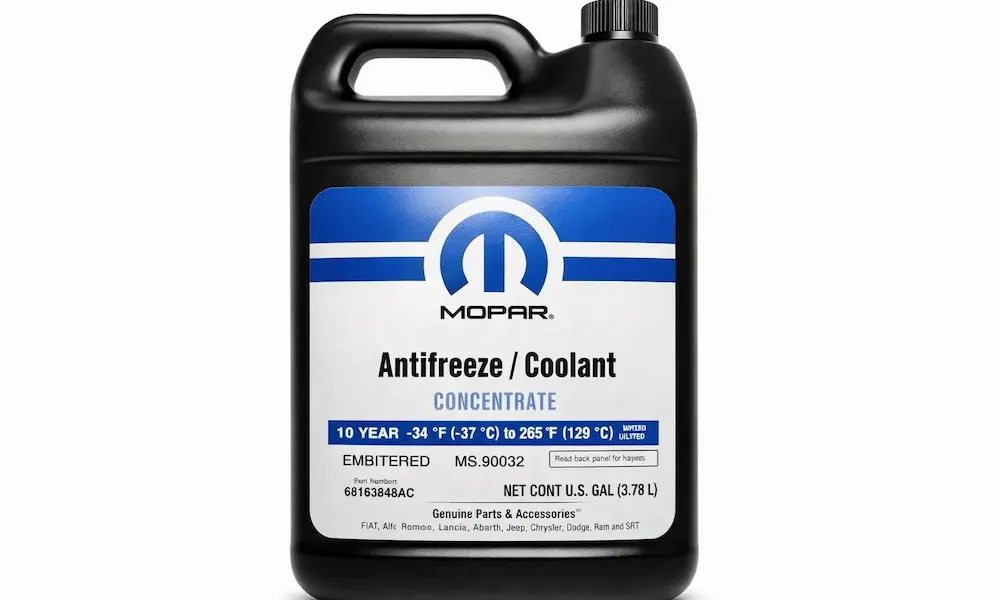
The Official Mopar Fluid and Its Part Numbers
Mopar’s official MS-11655 fluid has gone through a few revisions. Here’s what those part numbers actually mean:
| Part Number | Status | Notes |
|---|---|---|
| 68088485AB | Current | Standard Mopar PSF, 473ml bottle |
| 68088485AA | Superseded | Replaced by AB version |
| 68088485AC | Current Revision | Fully compatible with AB |
| 05127381AB | Alternative | Referenced in early EHPS service bulletins |
| 05127381AA | Original | Initial factory-fill reference |
All current versions are backward compatible. Don’t stress about which revision you buy — just don’t mix MS-11655 with MS-9602 or MS-5931. Mixing different spec fluids can degrade seals and cause pump failure.
Best MS-11655 Power Steering Fluid Equivalents
Pentosin CHF 11S — The Go-To Aftermarket Choice
If there’s one fluid that mechanics consistently recommend as the top MS-11655 power steering fluid equivalent, it’s Pentosin CHF 11S.
Its dark green color makes it easy to identify in the reservoir — a helpful diagnostic detail. The technical specs are outstanding:
- Pour point: -57°C
- Viscosity index: 313
- Kinematic viscosity at 100°C: ~6.7 mm²/s
That 313 viscosity index means the fluid barely changes thickness between freezing winters and scorching summers. It also meets VW TL 52146, Mercedes 345.0, and BMW specs — so it’s the same fluid used in high-end European platforms.
Pentosin EHF is another option from the same brand, and it’s also listed as compatible with MS-11655. Both work well in the Chrysler 300, Dodge Charger, and Jeep Grand Cherokee.
AMSOIL Multi-Vehicle Synthetic Power Steering Fluid
AMSOIL’s synthetic PSF explicitly meets MS-11655 and directly replaces Mopar part number 05127381AA. You can mix it with the original fluid or do a full flush — it’s compatible either way.
Key specs:
- Pour point: -51°C
- Viscosity index: 197
AMSOIL emphasizes cold-weather protection. In extreme cold, thick fluid creates back-pressure that can blow power steering lines right off their fittings. The low pour point prevents that.
Red Line Synthetic Power Steering Fluid
Red Line’s PSF meets both MS-11655 and MS-90030. It delivers 50% greater high-temperature viscosity compared to conventional fluids, which matters for tow-heavy applications like the Dodge Durango or Jeep Grand Cherokee.
If you tow regularly or live somewhere that gets genuinely hot, Red Line is worth the extra few dollars per bottle.
Ravenol, Valvoline, and Lubegard Options
Ravenol PSF-Y and Ravenol SSF are German-engineered fluids that meet MS-11655. Ravenol PSF-Y is built on hydrocracked base oils with additives that play nicely with rubber seals — especially important on higher-mileage systems.
Valvoline SynPower PSF matches Pentosin CHF 11S nearly spec-for-spec, with a -57°C pour point and 313 viscosity index. It’s widely available and usually priced competitively.
Lubegard Complete Synthetic PSF is listed as a direct equivalent for Mopar 68088485AA and 68088485AB. It’s a solid pick if you want a universal option that works across European, North American, and Asian vehicles.
Technical Properties Side-by-Side
Here’s how the top MS-11655 equivalents compare on the specs that matter most:
| Fluid | Pour Point | Viscosity Index | Color |
|---|---|---|---|
| Pentosin CHF 11S | -57°C | 313 | Dark Green |
| AMSOIL Multi-Vehicle PSF | -51°C | 197 | Yellow/Brown |
| Red Line Synthetic PSF | -50°C | 199 | Red |
| Ravenol PSF-Y | -51°C | 177 | Yellow |
| Valvoline SynPower PSF | -57°C | 313 | Olive Green |
Pentosin and Valvoline lead on cold-weather performance and viscosity stability. AMSOIL and Red Line are strong mid-range options with excellent thermal protection.
Why the Wrong Fluid Creates Real Safety Risks
This isn’t just about performance — it’s a safety issue. The National Highway Traffic Safety Administration opened investigations into engine compartment fires on 2021–2023 Jeep Wranglers and Gladiators, linked to failures in the power steering pump’s electrical connector.
Here’s the connection: when you use a high-viscosity fluid that isn’t rated for the system, the electric motor has to work harder to circulate it. That extra electrical load generates more heat in the wiring and connectors. Over time, that heat can cause failures — and in worst-case scenarios, fires.
Using a correct synthetic equivalent like Pentosin or AMSOIL keeps the electrical load low by maintaining proper fluidity at all temperatures.
Additionally, these pumps are non-serviceable. When one fails, you replace the whole assembly — pump, motor, reservoir, and bracket. Total repair costs often exceed $1,000. The $15–$25 you spend on the right fluid is real insurance.
How to Read Your Fluid’s Health at a Glance
You don’t need test strips or a lab. A quick look at the reservoir tells you a lot.
| Fluid Condition | What It Looks Like | Likely Cause | What to Do |
|---|---|---|---|
| Healthy | Translucent green, clear, or amber | Normal operation | Nothing |
| Degraded | Dark brown or black | Oxidation and heat damage | Flush and replace |
| Contaminated | Milky or cloudy | Water in the system | Find the leak, flush the system |
| Aerated | Foamy or bubbly | Air entering via loose hose or seal | Repair leak, bleed system |
| Critically Failed | Burnt smell, visible metal flakes | Pump mechanical failure | Replace pump, full flush |
Fresh MS-11655 fluid should let light pass through it. If it looks like old motor oil, it’s time to change it.
Maintenance Tips That Actually Protect Your System
Check the fluid every oil change. Modern fluids are often marketed as “lifetime fill,” but extreme heat, cold, and towing take a toll. A quick visual inspection costs nothing.
Flush if you’re replacing any steering component. Air trapped after a pump swap causes the dreaded “new pump whine” — that high-pitched squeal after a repair. Bleed the system properly by lifting the front wheels, filling the reservoir, and turning the wheel lock-to-lock several times with the pump running. Repeat until the fluid level holds steady and bubbles disappear.
Don’t ignore “morning sickness.” If your steering feels stiff for the first few minutes on cold mornings, that’s often old fluid that’s lost its viscosity stability. Replacing aged fluid with a fresh MS-11655 synthetic frequently fixes it without touching any hardware.
Never top off with a different spec fluid. Even a small amount of MS-9602 or conventional ATF mixed into MS-11655 can begin breaking down seals. If you’re unsure what’s in the reservoir, do a full flush and start clean.
Global Cross-Reference: One Fluid, Many Standards
One advantage of sticking with a premium MS-11655 equivalent is cross-brand compatibility. Multi-brand shops can stock a single fluid that covers a huge range of modern vehicles.
| Brand | Product | Meets MS-11655? | Other Standards |
|---|---|---|---|
| Mopar | 68088485AB | Yes (OEM) | Chrysler/Fiat only |
| Pentosin | CHF 11S | Yes | VW TL 52146, MB 345.0, BMW 83290429576 |
| AMSOIL | Multi-Vehicle PSF | Yes | MS-9602, MS-5931, Toyota PSF Type EH |
| Red Line | Synthetic PSF | Yes | MS-90030, MS-5931 |
| Ravenol | SSF Hydraulic | Yes | VW G002000, G004000, Volvo 30741424 |
| Valvoline | SynPower PSF | Yes | VW TL 52146, MB 345.0, Volvo 1161529 |
| Lubegard | Complete Synthetic | Yes | Universal Synthetic Standard |
Pentosin CHF 11S is arguably the most versatile pick here — it covers Chrysler EHPS systems and most European luxury platforms simultaneously.
Safe Handling and Disposal
MS-11655 fluids aren’t something you want to handle carelessly. The Safety Data Sheet for Mopar’s electric steering pump fluid lists it as a potential aspiration hazard — meaning it can cause serious lung damage if swallowed and enters the airway.
For anyone doing a DIY flush:
- Wear nitrile gloves — prolonged skin contact can lead to oil acne or folliculitis
- Wear safety glasses — it irritates eyes on contact
- Never pour used fluid down a drain — it’s classified as harmful to aquatic life with long-lasting effects
- Dispose at an authorized collection center — this is a legal requirement in most regions, not just a suggestion
The fluid has a flash point above 160°C, so it won’t ignite under normal conditions. Still, keep it away from open flames and hot engine components during a fluid change.
The bottom line is straightforward: your EHPS system needs a fully synthetic, MS-11655-rated fluid to stay healthy. Pentosin CHF 11S and Valvoline SynPower lead the pack on cold-weather specs. AMSOIL and Red Line are excellent for high-heat or towing applications. And whatever you choose, skip the generic bottles — a $1,000+ pump replacement makes the right $20 fluid look like an obvious call.