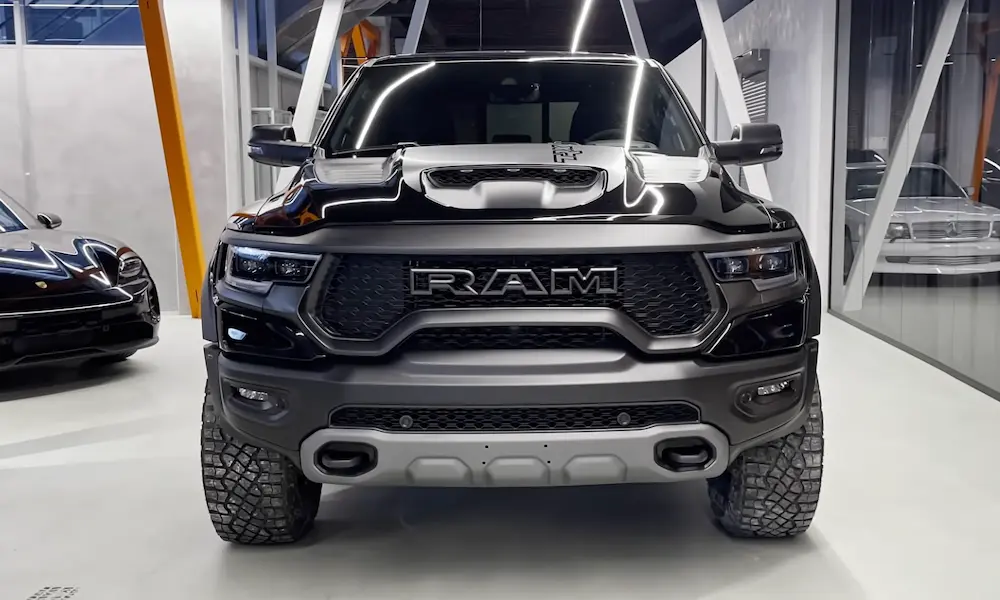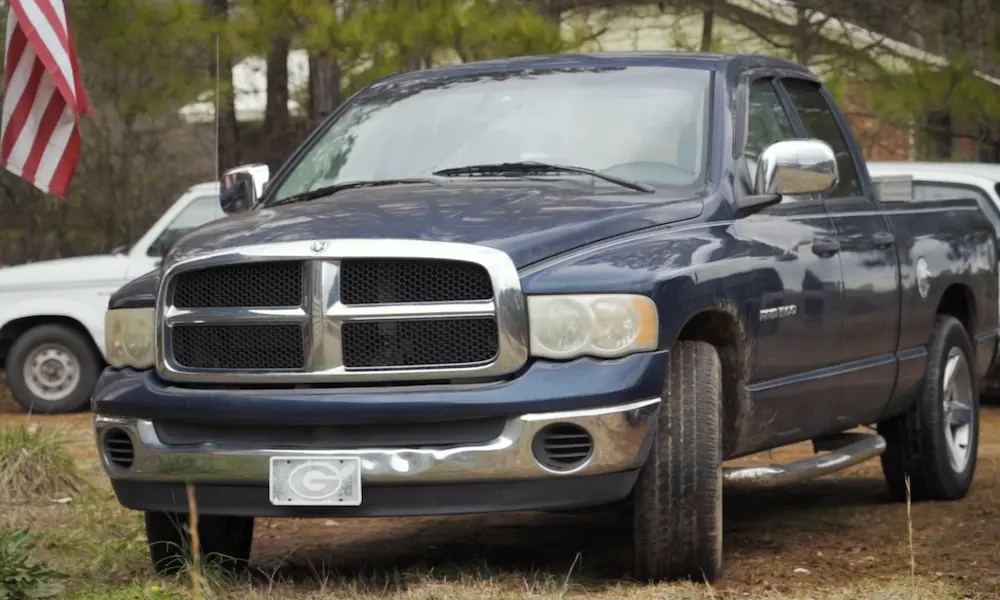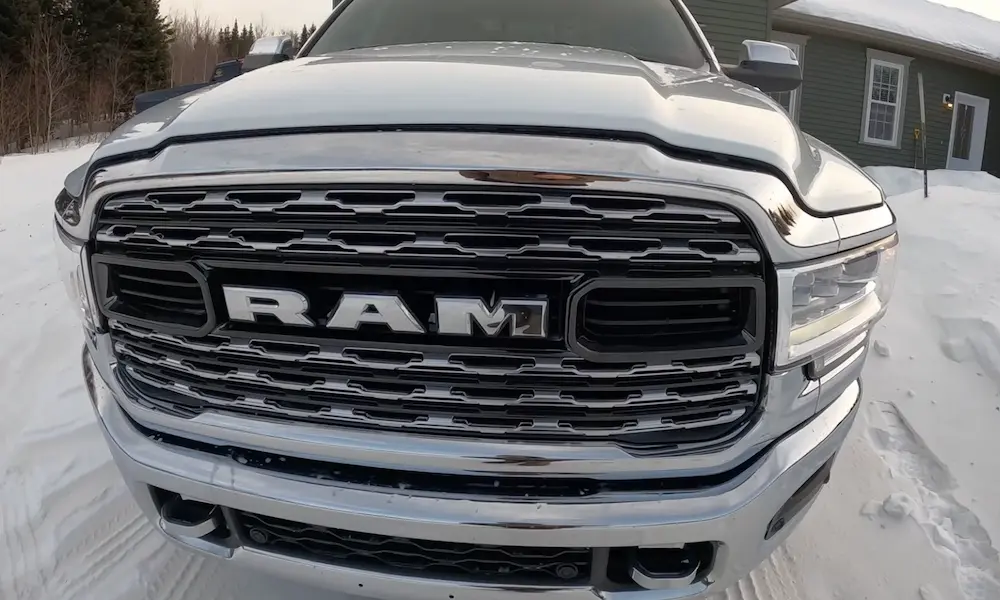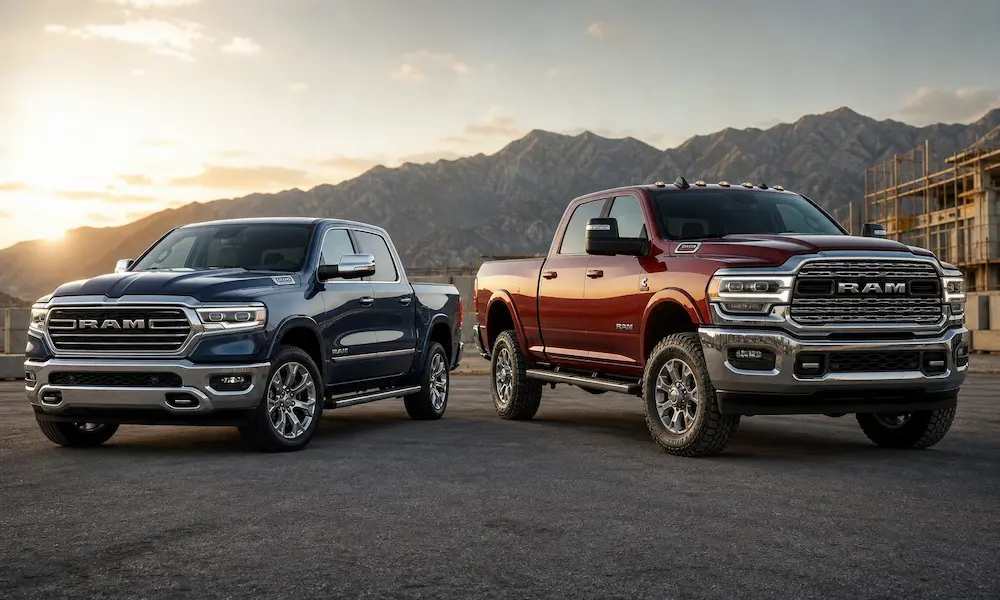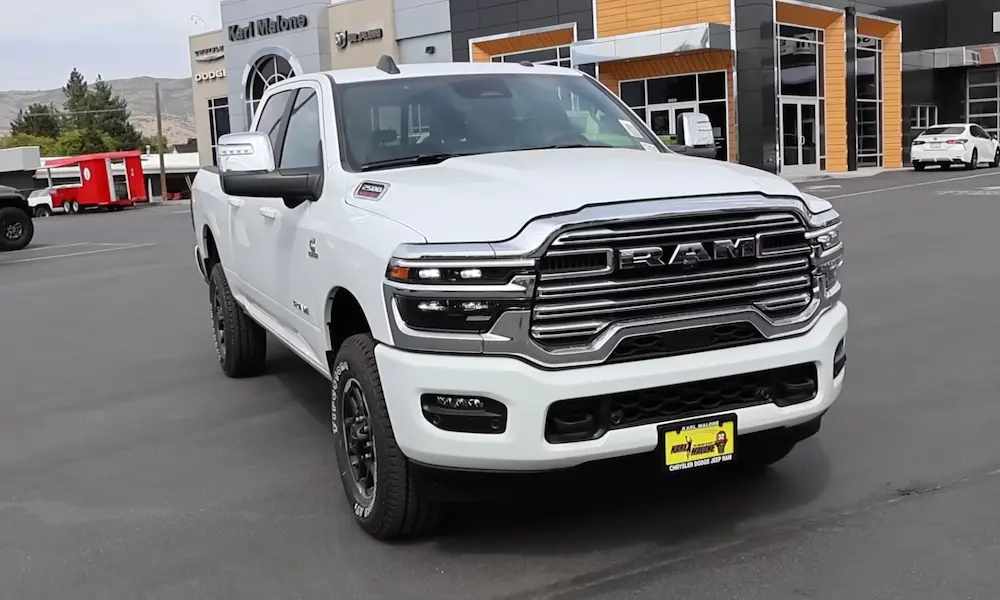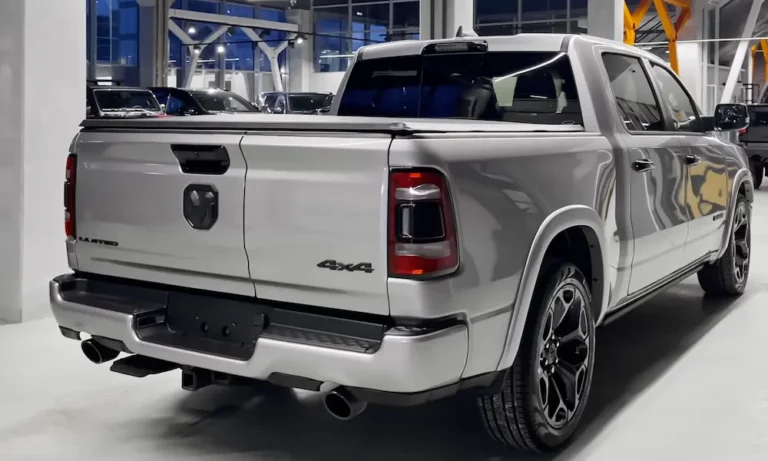
If your Ram 1500 dashboard lit up like a Christmas tree lately, you’re probably dealing with one of the biggest safety recalls in recent truck history. Over 1.2 million Ram 1500s have a serious braking system issue — and the fix is free. Here’s exactly what’s happening, what it means for your truck, and what you need to do next.
The Ram 1500 ABS Module Recall in Plain English
The Ram 1500 ABS module recall — officially NHTSA Campaign Number 24V-653 — is one of the largest vehicle recalls in recent U.S. automotive history. It covers 1,227,808 trucks across the 2019 and 2021–2024 model years.
The problem? A software configuration mismatch inside the ABS control module (made by Continental) can shut down your Electronic Stability Control (ESC) system without warning. That’s not a minor glitch. ESC is the system that stops your truck from spinning out on a wet highway or rolling over on a sharp curve.
Here’s a quick look at the numbers:
| Detail | Data |
|---|---|
| Vehicles Affected | 1,227,808 |
| Model Years | 2019, 2021–2024 |
| Manufacturer Recall Code | 75B / 85B |
| Production Period Affected | Oct 31, 2017 – Feb 14, 2024 |
| Defect Rate | 100% of suspect population |
| Repair Cost to You | $0 |
This isn’t just a software hiccup. When ESC goes offline, you lose trailer sway control, automatic emergency braking, and adaptive cruise — all at once.
Why the Software Failed
The ABS module runs on software that constantly monitors the vehicle’s stability. In affected trucks, the software detects an internal state it misreads as an error. Its response? Shut down stability control to prevent what it thinks is a false brake application.
The result is a truck that violates Federal Motor Vehicle Safety Standard 126, which requires ESC to stay active at all times — during acceleration, coasting, and braking. A software bug that disables ESC intermittently doesn’t meet that requirement. Period.
Stellantis engineers first caught wind of the issue on February 15, 2024. After months of analyzing warranty claims and field data, they formally recognized it as a regulatory non-compliance in mid-June 2024. The recall decision came on August 30, 2024.
The 2025 Ram 1500 Has a Different Problem
If you own a 2025 Ram 1500, your truck isn’t part of the software recall — but you might still have an open recall. NHTSA Campaign 24V-794 (Manufacturer Code 97B) covers 33,777 trucks with a mechanical defect in the front wheel hub assemblies.
The culprit here is damaged encoder rings — tiny precision components inside the wheel bearings that send wheel speed data to the ABS module. Supplier ILJIN USA Corporation mishandled some of these rings during production, causing physical deformation.
A damaged encoder ring breaks the signal chain. The ABS module loses wheel speed data, panics, and disables ESC as a safety default. Same symptom as the software recall, completely different cause.
| Detail | Data |
|---|---|
| Affected Part | Front Wheel Bearing Hub Assembly |
| Component Manufacturer | ILJIN USA Corporation |
| Model Year | 2025 |
| Production Dates | Oct 13, 2023 – Aug 11, 2024 |
| Estimated Defect Rate | ~1% of affected units |
| Fix | Full hub assembly replacement |
Dashboard Warning Signs You Shouldn’t Ignore
Here’s the thing about these ABS and ESC failures — they don’t go quietly. Your truck sends a very clear series of alerts when something’s wrong with the braking system. Technicians call it a “multi-system failure notification,” and it’s hard to miss.
Lights that turn on together:
- ABS Warning Light — The antilock function is off. In a panic stop, your wheels can lock and you’ll lose steering control.
- ESC Warning Light — Stability control is offline. Sudden swerves or slippery roads become genuinely dangerous.
- Forward Collision Warning Light — Automatic emergency braking is unavailable.
- Adaptive Cruise Control Light — The system can’t control your speed or maintain following distance.
| Warning Light | What It Means | Real-World Risk |
|---|---|---|
| ABS Light | Antilock off | Wheel lock-up during hard braking |
| ESC Light | Stability control offline | Rollover risk in sudden turns |
| FCW Light | Emergency braking unavailable | No automatic crash mitigation |
| ACC Light | Cruise control disabled | Driver must manage all speed changes |
| Erratic Speedometer | Data communication failure | Can’t monitor your own speed |
Beyond the lights, watch for a brake pedal that feels unusually stiff or unresponsive. Some owners also report a dead or erratic speedometer — a sign the ABS module has completely lost communication with the vehicle’s data network.
What Mechanics Find Under the Hood
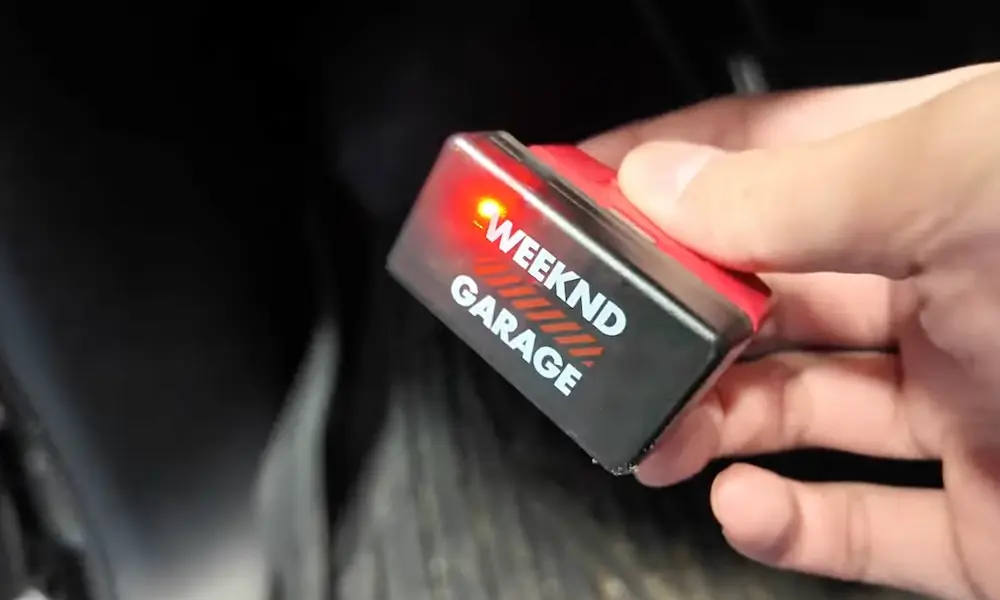
If a technician scans your Ram 1500 with a diagnostic tool, these are the codes most commonly associated with the recall:
- C2200 – Internal Failure: The module’s processor has detected a permanent fault. This is the most direct sign of the 75B/85B software issue.
- U0121 – Lost Communication: Other modules can’t see the ABS unit on the data bus. Often causes speedometer failure alongside all the warning lights.
- C1233 – Signal Missing: Wheel speed sensor can’t read the encoder ring. Key indicator for the 2025 hub defect.
- C2116 – Pump Supply Voltage: Points to a failing hydraulic pump motor, more common in older Classic models.
If your truck throws a C2200 or U0121, don’t restart and hope it goes away. That behavior — lights appearing and disappearing — is exactly how these failures present before they become permanent.
How the Fix Actually Works
The repair process differs depending on which recall applies to your truck.
For the software recall (75B/85B, model years 2019, 2021–2024):
Dealers use Stellantis’s proprietary wiTECH diagnostic system to reflash the ABS module with corrected software. The vehicle must be physically at the dealership — this isn’t an over-the-air update. During the flash, a battery charger must maintain voltage between 13.0 and 13.5 volts. Any power dip during the process can permanently brick the module.
After the flash, techs run three calibration routines:
- ABS Initialization — matches the module to your specific truck’s options
- Brake Pedal Calibration — sets the sensor to the correct neutral position
- Assembly Check — verifies all internal hydraulic valves work correctly
For the hub assembly recall (97B, 2025 model year):
This is a hands-on mechanical job. Technicians remove the front wheels and brake calipers to inspect the hub assemblies. If an encoder ring is damaged, the entire hub-and-bearing assembly gets replaced. You can’t just swap the ring — it’s not a separately serviceable part. The whole unit goes.
The Legacy Problem: 2017–2018 Ram 1500 Classic Owners
If you drive an older Ram 1500 Classic, there’s a separate but related issue you should know about. Some 2017–2018 owners have experienced Hydraulic Control Unit (HCU) failures caused by carbon brushes inside the pump motor swelling and losing contact with the commutator.
When the HCU pump fails, the ABS has no hydraulic pressure to work with. The result is the same stack of warning lights — and the same loss of traction and stability control.
The frustrating part? The warning lights often appear and disappear after a restart, giving owners false confidence. The formal recall for the Heavy Duty 2500 and 3500 sharing this HCU design (NHTSA 24V-896) wasn’t finalized until late 2024, after years of consumer complaints triggered a federal investigation.
If you paid out of pocket to fix an HCU on your 2017–2018 Ram before a recall was announced, keep reading.
Your Rights as a Ram 1500 Owner
Federal law is clear: all recall repairs are completely free — even if you bought the truck used or your warranty expired years ago.
If you already paid for a repair:
You can claim reimbursement. Gather your original repair order and proof of vehicle ownership, then submit them to Stellantis for review. This matters especially for Classic owners who replaced failed Hydraulic Control Units before the recall was formalized.
If a dealer sold you a truck with an open recall:
That’s illegal. Federal law prohibits dealers from selling a new vehicle with an unresolved safety recall. Violations carry fines up to $27,168 per vehicle — which gives dealers a strong incentive to process these updates before handing over keys.
Staying safe while you wait for your appointment:
With 1.2 million trucks in the repair queue, wait times can stretch for weeks. In the meantime:
- Double your following distance. Without ABS, wheels lock in a hard stop and you lose steering.
- Slow down on ramps and in bad weather. ESC is what corrects oversteer and understeer — without it, the truck slides more easily in corners.
- Manage trailer sway manually using your trailer brake controller if you’re towing. The truck won’t help you automatically.
How to Check If Your Truck Is Affected
Don’t wait for a letter in the mail. Ownership changes mean recall notices don’t always reach the right person. Check your 17-character VIN using any of these methods:
| Method | How to Access |
|---|---|
| NHTSA Recall Database | nhtsa.gov/recalls |
| Official Mopar Site | mopar.com/recalls |
| Phone | 1-800-853-1403 |
| Dealership | VIN scan at service check-in |
Your VIN is on the driver-side dashboard (visible through the windshield) or on the doorframe sticker. Plug it in, confirm your status, and book your appointment.
What This Means for Towing
If you use your Ram 1500 to tow, the stakes here are higher than for a typical commuter truck. The Ram’s ABS module powers Trailer Sway Control — the system that detects trailer oscillation and applies individual brakes to pull it back in line.
Without ESC, that protection disappears. At highway speeds, in crosswinds, or when a large truck passes you, a swaying trailer can become a runaway trailer. That’s a risk worth taking seriously.
Until your truck is repaired, if you must tow, reduce speed and stay alert. The automation you might be counting on won’t be there to bail you out.
The Bigger Picture: Software in Modern Trucks
The Ram 1500 ABS module recall isn’t just a Stellantis problem. It’s a window into how complicated modern trucks have become. The Continental-supplied software that caused this recall likely failed during the integration of supplier base code with Stellantis’s specific vehicle calibration — a process that happens across every major automaker.
The 2021–2026 Ram 1500’s electronic architecture ties together braking, steering, powertrain, and safety sensors into one tightly connected system. That integration makes trucks smarter — but it also means one misconfigured software file can knock out five different features simultaneously.
Future Ram models will likely gain over-the-air update capability for safety-critical systems, eliminating the need to bring over a million trucks into dealerships. For now though, your truck needs a physical visit to get fixed.
Act Now — Don’t Wait for the Lights to Come On
The Ram 1500 ABS module recall affects more vehicles than most recalls you’ll ever see. If your truck falls in the 2019 or 2021–2024 model year range, assume it’s affected until you verify otherwise. Check your VIN today at nhtsa.gov/recalls, call your dealer, and get on the schedule.
The repair is free, the fix is straightforward, and the alternative — driving without functional stability control — isn’t worth the risk. Get it done.