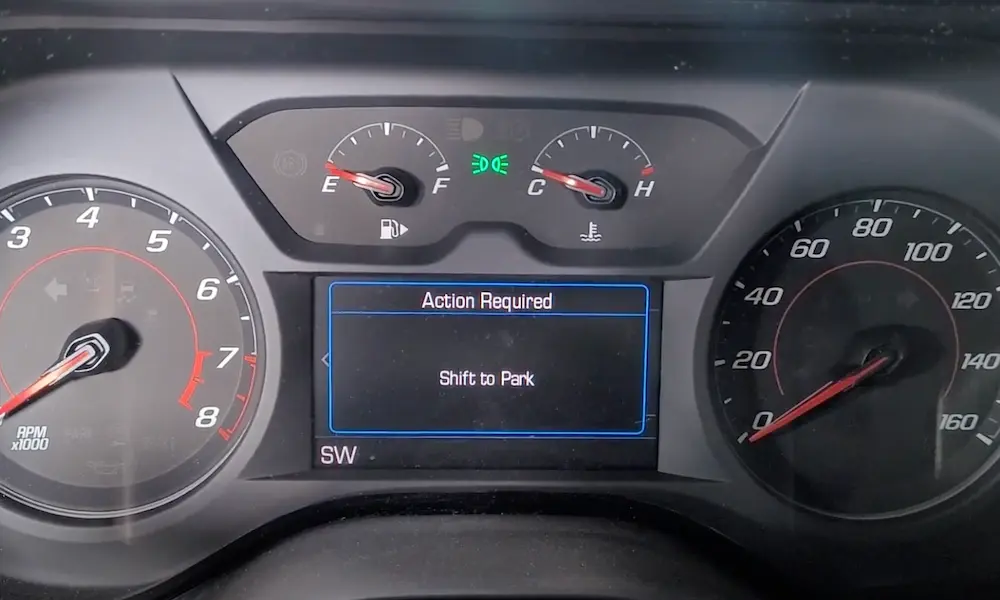
That dashboard message just ruined your morning, didn’t it? The good news is that “service power steering drive with care” doesn’t always mean an expensive breakdown is seconds away. The bad news? It’s not something you can ignore either. Read to the end — what you find here could save you hundreds of dollars and a scary roadside moment.
What Does “Service Power Steering Drive with Care” Actually Mean?
This message means your car’s Power Steering Control Module (PSCM) has spotted a problem. It’s flagging that the system can’t guarantee full steering assist.
Think of the PSCM as the brain of your steering system. It reads sensor data, calculates how much help you need, and delivers it. When something breaks that chain — a bad sensor, a voltage drop, a wiring fault — the module throws up this warning and dials back assistance.
Here’s the thing most drivers don’t realize: your car is still steerable. The physical link between your steering wheel and the road wheels stays intact. But without electronic assist, turning feels dramatically heavier. Some drivers describe it as the wheel “locking up.” It isn’t locked — it just suddenly feels like you’re steering a forklift.
This is especially dangerous at low speeds, in parking lots, or when you need to react fast.
How Modern Electronic Power Steering Works
Before you can fix a problem, it helps to understand what broke.
Modern vehicles use Electronic Power Steering (EPS), which replaced the old hydraulic pump systems. Hydraulic setups used an engine-driven pump that constantly ran whether you were steering or not — wasteful and leak-prone. EPS swaps that pump for a high-torque electric motor, cutting fuel waste and eliminating hydraulic fluid in most designs.
The EPS system has three main parts working together:
- Torque sensor — measures how hard you’re turning the wheel by detecting twist in a torsion bar inside the steering column
- Steering angle sensor — tracks your wheel’s position and rotation speed
- PSCM — processes all that data, plus your vehicle speed, and sends exactly the right current to the assist motor
When any part of this chain fails, the PSCM shuts down assist and tells you to drive with care.
Which Cars Get This Warning Most Often?
GM Trucks: Silverado and Sierra
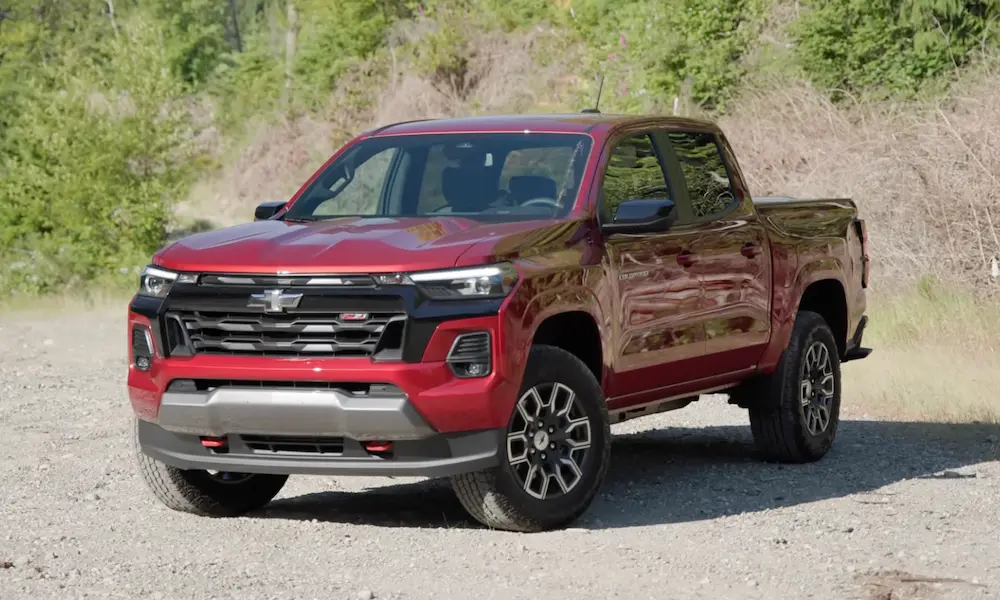
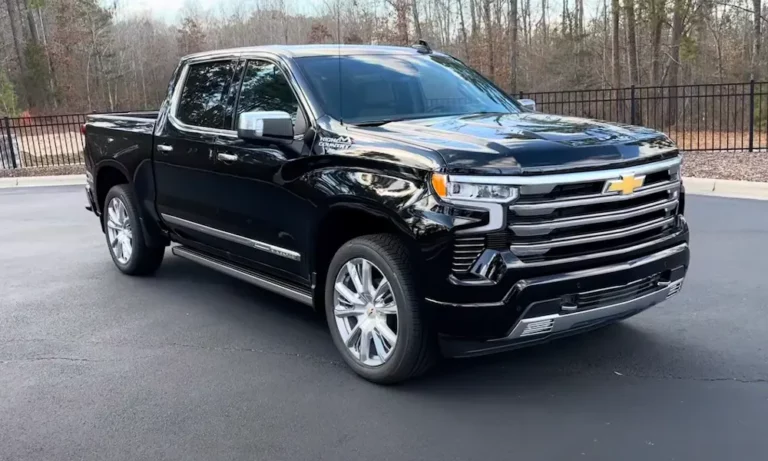
If you drive a Chevrolet Silverado or GMC Sierra from 2020 to 2024, you’re in good company — and not the good kind. These trucks have become a focal point for “service power steering” complaints, with owners reporting sudden loss of assist, stiff wheels, and cascading warnings like “Service ESC.”
Why the cascade? The PSCM and the Electronic Brake Control Module (EBCM) share data on the same high-speed network. A steering fault knocks out Electronic Stability Control (ESC) too, because the stability system can’t trust a steering system that’s misbehaving.
GM has recalled vehicles for this before. In 2018, over one million vehicles were recalled for a software and electrical issue causing momentary EPS loss during low-speed turns. Then in August 2023, certain 2024 trucks were recalled for a mechanical defect — a steering gear shaft that could fracture and leave the driver with zero steering control.
| Affected Vehicle | Model Years | Common Symptoms |
|---|---|---|
| Chevrolet Silverado | 2020–2024 | Sudden assist loss, ESC warning, stiff wheel |
| GMC Sierra | 2020–2024 | Intermittent failure, “Drive with Care” message |
| Chevrolet Spark | 2022 | Code 68, power steering service alert |
| Chevrolet Silverado | 2015 | Electrical/software assist dropout (Recalled) |
| GMC Sierra | 2015 | Loss and sudden return of assist (Recalled) |
UK and European Cars
The “service power steering drive with care” warning shows up regularly in UK cars too — particularly the Vauxhall Corsa, Ford Focus, and Nissan Qashqai. In the UK, smaller hatchbacks like the Ford Fiesta and VW Golf often trigger this message through faulty steering angle sensors or assist motor calibration issues.
Hydraulic and electric-hydraulic systems in European models add another layer: fluid condition matters. UK specialists recommend manufacturer-approved fluids like CHF11S for many European models. Whining noises during turns or heavy steering when cold often precede the warning in these vehicles.
| UK Vehicle | System Type | Common Fault Triggers |
|---|---|---|
| Vauxhall Corsa | EPS / Electrical | Sensor failure, motor calibration |
| Ford Focus | EPS / Electrical | Assist unit problems, voltage drops |
| Nissan Qashqai | EPS / Electrical | Faulty steering angle sensors |
| BMW 3 Series | EPS / Hydraulic | Assist vibration, pump whining |
| Audi A3 | EPS / Electrical | Wheel speed sensor discrepancies |
The Most Common Causes of the Warning
Voltage Drops and Bad Battery Cables
This one surprises most people. The EPS motor is one of the biggest power consumers in your car. A dip in voltage — caused by corroded battery cables, poor crimps, or dirty ground points — can starve the EPS module and trigger the warning instantly.
GM issued Technical Service Bulletin TSB 18-NA-161 specifically for this. The bulletin calls out “hex crimp” failures where the cable terminal connects to the copper wire. These bad crimps create resistance, which causes voltage to drop under load.
Here’s the diagnostic standard from that bulletin:
| Test Point | Maximum Allowed Voltage Drop | Action if Exceeded |
|---|---|---|
| Negative Battery Cable | 200 mV | Replace cable, inspect crimp |
| Positive Battery Cable | 100 mV | Replace cable |
| Battery Terminal Torque | 7 Nm (62 lb-in) | Tighten to spec |
| EPS System Voltage (Running) | 12V – 14V | Inspect charging system |
| Ground Connection | Clean, no corrosion | Clean to bare metal |
A clue that voltage drops are your problem: if your radio flickers, your HVAC controls shut off randomly, or your lights dim briefly — those symptoms often come from the same failing cables that kill your steering assist.
Wiring Harness Damage
Sometimes the problem isn’t inside the steering system at all. The A/C compressor wiring harness in some vehicles can short against the power steering rack mount, setting fault code DTC C0545 in the PSCM — even when the steering gear itself is perfectly fine.
Fixing this requires removing the underbody splash shield to access the EPS unit from underneath. If the harness insulation is damaged but the copper wires are okay, heat shrink tubing and re-routing the harness solves it. If the copper strands are cut or damaged, the circuit needs proper repair or a full harness replacement.
Water Getting In
Driving through deep puddles and getting the warning right after? Water infiltrating electrical connectors causes temporary shorts or high resistance that trips the PSCM. The 2-terminal and 8-cavity connectors on the EPS module are the usual suspects. Technicians check that the Connector Position Assurance (CPA) tabs are fully seated and terminals are protected with the right lubricant.
Sensor and Software Faults
A dead battery or a disconnected battery can wipe the steering angle sensor’s calibration, which disables power assist entirely. Sometimes turning the wheel from lock to lock recalibrates it. Persistent cases need a scan tool to run a proper relearn procedure.
Diagnostic Trouble Codes: What the Scanner Will Find
When a technician plugs in a scan tool, these are the codes most likely sitting in your PSCM:
| DTC Code | What It Means | What Happens |
|---|---|---|
| C0475 00 | Motor circuit malfunction | Short or high resistance in the 3-phase assist motor — assist disabled |
| C0545 00 | Torque sensor malfunction | System can’t measure your input force — immediate safety shutdown |
| C055C | Mechanical binding detected | Excessive resistance in the steering linkage |
| C0569 | System configuration error | Software/hardware mismatch or lost calibration |
| U0126/U0131 | Lost communication with steering angle sensor | Data bus failure — can’t verify wheel position |
Worth knowing: the PSCM tracks malfunction-free ignition cycles. A stored fault code typically clears itself after 40 to 50 consecutive cycles without a fault. So if the warning disappears and stays gone, the issue may have been intermittent — but get it checked anyway.
How Much Does This Cost to Fix?
Repair costs swing wildly depending on what’s actually broken. Here’s an honest breakdown:
| Service | Pro Cost | DIY Parts Cost | What’s Covered |
|---|---|---|---|
| Power steering fluid flush | $100–$250 | $20–$50 | Labor, fluid, inspection |
| Pump replacement (sedan) | $450–$700 | $100–$300 | Pump, fluid, labor |
| Pump replacement (luxury) | $700–$1,200 | $300–$500 | Complex access, OEM parts |
| EPS steering gear assembly | $1,000–$2,500 | $600–$1,200 | Rack, motor, module |
| Wiring/harness repair | $150–$400 | $10–$30 | Inspection, heat shrink, re-routing |
A routine power steering service costs $100 to $250 and is recommended every 30,000 to 60,000 miles on hydraulic systems. That’s cheap insurance compared to a pump replacement at $300 to $800 or a full EPS assembly job pushing $2,500.
DIY is viable for simple fixes like battery cable replacement or harness repair. But EPS system repairs on newer vehicles often require software programming — something that needs a professional scan tool and trained hands.
What You Should Do Right Now
If the “service power steering drive with care” message just appeared on your dash, here’s your action plan:
- Don’t ignore it. The warning won’t go away on its own if there’s a real fault.
- Check your battery terminals first. Clean, tight, corrosion-free connections solve a surprising number of these issues.
- Note any other warning lights. ESC or stability control warnings alongside the steering message point to a shared electrical fault.
- Watch for water exposure. If the warning appeared after a big puddle, let things dry and check if it clears — then still get it inspected.
- Get a scan tool on it. NHTSA program bulletins cover some of these failures under warranty or extended coverage — a scan tool read tells you exactly which DTC you’re dealing with before you spend a dollar.
- Check for open recalls. Visit NHTSA’s recall database and enter your VIN. GM has issued multiple steering-related recalls, and yours might be covered at zero cost.
The difference between a $25 battery cable fix and a $2,500 steering gear replacement often comes down to catching the problem early.