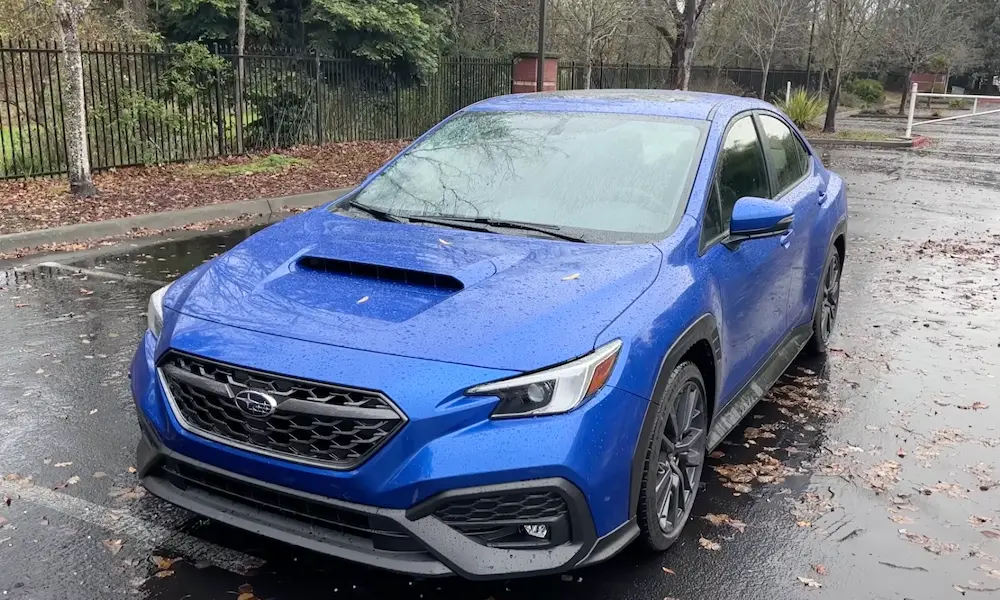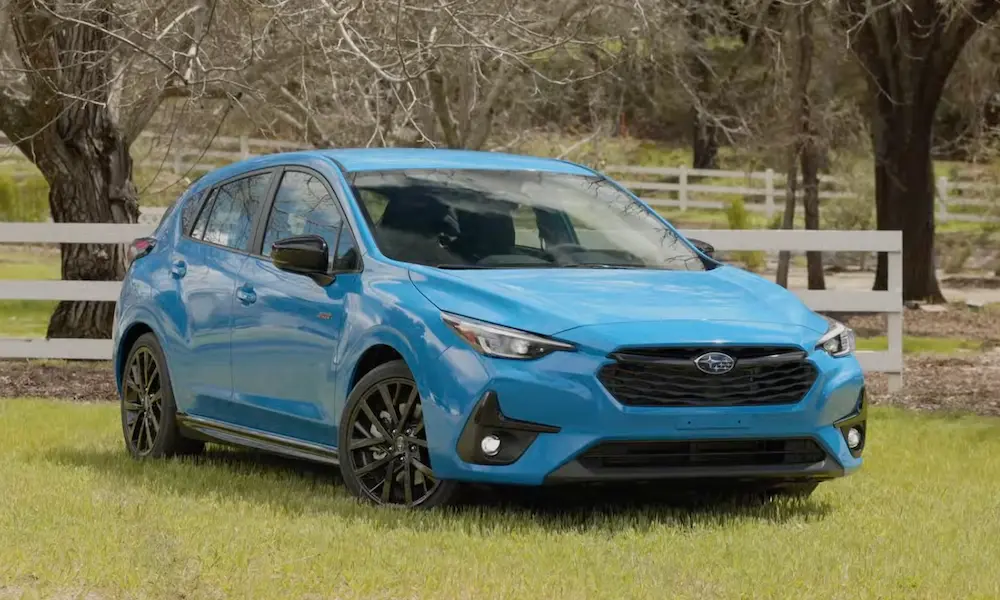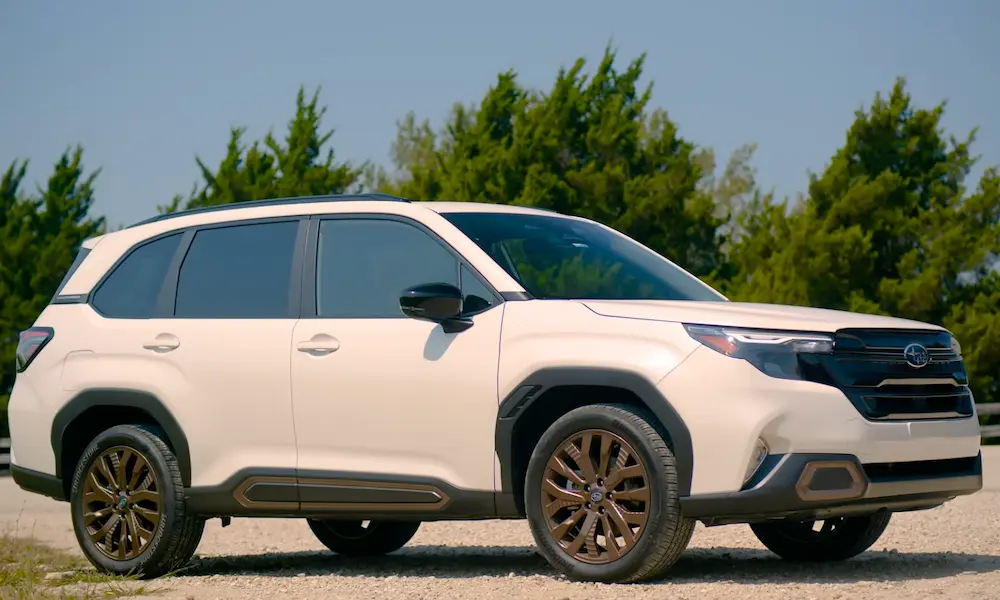
Ever noticed oil spots under your Subaru or caught a whiff of burning oil while driving? You might be dealing with a cam carrier leak – the modern equivalent of Subaru’s infamous head gasket problems. This issue affects virtually all FA and FB engine models and will likely hit your vehicle eventually. I’ll break down everything you need to know about this common problem, from early warning signs to repair options.
What Is a Cam Carrier and Why Does It Leak?
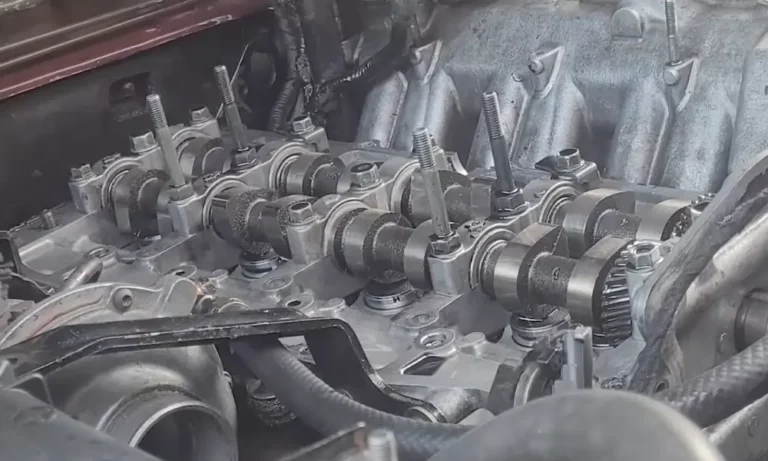
A cam carrier (sometimes called a cam holder) is a critical component in newer Subaru engines that houses the camshafts. In FA and FB series engines, the cam carrier bolts to the top of each cylinder head with a seal between them – this is where leaks develop.
Unlike older EJ-series engines where camshafts sat directly in the cylinder head, the newer design creates an additional sealing point using RTV silicone sealant rather than metal gaskets. This silicone sealant has a finite lifespan and will eventually degrade regardless of how well you maintain your vehicle.
The problem isn’t a manufacturing defect but rather an inherent design characteristic. When Subaru transitioned from EJ to FA/FB engines, they gained performance benefits but introduced this new potential failure point. The seal between the cam carrier and cylinder head simply can’t last forever under constant heat cycling and pressure.
Which Subaru Models Have This Problem?
If you drive a Subaru with an FA or FB engine manufactured from 2011 onward, your vehicle is susceptible to cam carrier leaks. The issue affects:
- FB20 engines: Crosstrek, Impreza (typically at 80,000-100,000 miles)
- FB25 engines: Outback, Forester, Legacy (most common, usually at 60,000-90,000 miles)
- FA20 engines: WRX, BRZ (similar timeline but more expensive repairs)
- FA24 engines: Ascent, newer WRX (limited data but showing similar patterns)
Early FB25 engines from 2011-2014 were particularly prone to early failures. Subaru even issued a Technical Service Bulletin for these models, but coverage was limited to vehicles showing symptoms within 6 months of manufacture due to improper Fujibond application.
How to Spot a Cam Carrier Leak
Catching a cam carrier leak early can save you from more serious problems down the road. Here are the telltale signs:
Early Symptoms
- Oil seepage at the junction between the cam carrier and cylinder head
- Slight oil residue around the timing cover area
- Burning oil smell, especially when the engine is hot
- Minor oil consumption requiring occasional top-offs
Advanced Symptoms
- Visible oil drips under your vehicle
- Strong burning oil odor entering the cabin
- Oil contamination affecting sensors
- Oil consumption exceeding one quart per 1,000 miles
Unlike catastrophic failures, cam carrier leaks typically start small and gradually worsen over months or years. Many Subaru owners drive with minor leaks for extended periods by simply monitoring oil levels.
Why Cam Carrier Leaks Happen
Several factors contribute to the development and progression of these leaks:
- Material limitations: The RTV silicone sealant naturally degrades with time and heat cycles
- Pressure changes: Expansion and contraction during normal engine operation stress the seal
- Contributing factors:
- Poor PCV system maintenance increases internal engine pressure
- Extended oil change intervals accelerate seal deterioration
- Repeated heat cycling stresses the sealant
- Manufacturing variations (especially in early models)
This table shows how different factors affect leak development:
| Factor | Impact Level | Prevention Possible? |
|---|---|---|
| Heat cycles | High | No – normal engine operation |
| Oil quality/changes | Medium | Yes – use quality oil with regular changes |
| PCV maintenance | Medium | Yes – regular service at 60K miles |
| Manufacturing variation | Low-Medium | No – depends on production date |
| Time/Age | Very High | No – inevitable with age |
The Complex Repair Process
Repairing a cam carrier leak is one of the most labor-intensive procedures for modern Subarus. Unlike older head gasket repairs, cam carrier work requires complete engine removal and extensive disassembly.
The repair process involves:
- Complete engine removal from the vehicle
- Careful timing chain component removal
- Separation of the cam carrier from the cylinder head
- Thorough cleaning of all sealing surfaces
- Application of new sealant
- Reassembly with precise timing chain alignment
- Engine reinstallation and testing
This job demands specialized knowledge and equipment. Timing chain alignment is critical – any mistakes can result in valve-to-piston contact and catastrophic engine damage. The aluminum components require careful handling to avoid damaging sealing surfaces.
Most repair facilities recommend replacing additional components while the engine is apart, including:
- Timing chain components
- Water pumps
- Valve cover gaskets
- Various seals
While this increases the initial cost, it prevents future engine removal for related issues.
What Will This Repair Cost?
Prepare yourself – cam carrier leak repairs aren’t cheap. The high cost stems primarily from labor hours (typically 15-25 hours) required for engine removal, repair, and reinstallation.
Cost varies based on:
- Engine type (FA24 engines cost the most to repair)
- Geographic location (labor rates vary significantly)
- Repair facility (dealer vs. independent shop)
- Additional parts replaced during repair
Here’s a general cost breakdown by engine type:
| Engine Type | Average Repair Cost | Labor Hours |
|---|---|---|
| FB20 (Impreza, Crosstrek) | $1,800-$2,500 | 15-18 hours |
| FB25 (Outback, Forester) | $2,200-$3,200 | 16-20 hours |
| FA20 (WRX, BRZ) | $2,500-$3,500 | 18-22 hours |
| FA24 (Ascent, new WRX) | $3,000-$4,000+ | 20-25 hours |
For vehicles approaching or exceeding 100,000 miles, this repair can cost 25-50% of the vehicle’s market value. This creates difficult decisions for owners weighing repair costs against vehicle replacement.
Is There Any Warranty Coverage?
Most cam carrier leaks appear after the standard powertrain warranty expires (5 years/60,000 miles). However, Subaru of America has provided goodwill assistance for some repairs, particularly for vehicles slightly outside warranty.
Your chances for assistance improve if:
- You have comprehensive maintenance records
- All service was performed at Subaru dealerships
- You’ve purchased multiple Subaru vehicles
- The leak developed shortly after warranty expiration
Contact your dealer’s service manager and Subaru of America customer service if your vehicle develops a leak shortly after warranty expiration. Be polite but persistent.
When Should You Repair a Cam Carrier Leak?
Deciding when to address a cam carrier leak depends on several factors. Here’s a decision framework:
Monitor and Wait If:
- The leak is minor seepage without dripping
- Oil consumption is minimal (less than quart per 3,000 miles)
- No burning oil smell enters the cabin
- You perform regular oil level checks
Repair Immediately If:
- Oil is visibly dripping and creating stains
- Strong burning smell enters the cabin
- Oil is contaminating oxygen or air/fuel ratio sensors
- Oil consumption exceeds one quart per 1,000 miles
- You plan to keep the vehicle long-term
Many owners successfully manage minor leaks for years through vigilant monitoring and regular oil additions. This approach works best for vehicles with limited annual mileage and owners comfortable with regular maintenance checks.
Can You Prevent Cam Carrier Leaks?
While you can’t prevent cam carrier leaks indefinitely, proper maintenance can significantly delay their onset and progression:
Preventative Maintenance Steps:
- Regular oil changes using high-quality oil and filters (every 5,000 miles max)
- PCV system maintenance every 60,000 miles to prevent excessive crankcase pressure
- Regular inspections of the engine bay for early signs of seepage
- Documentation through photos to track any progression over time
- Address minor issues like valve cover gaskets promptly to reduce overall system stress
Unfortunately, even with perfect maintenance, the seal will eventually degrade due to normal aging and heat cycling. The fundamental design limitations mean that most high-mileage FA/FB engines will develop leaks.
Repair vs. Replace: The Big Decision
For many owners, the high repair cost forces a difficult decision – fix the leak or sell/trade the vehicle. Consider these factors:
When Repair Makes Sense:
- Your vehicle is otherwise in excellent condition
- You plan to keep it for several more years
- The repair cost is under 25% of vehicle value
- You can combine the repair with other needed maintenance
- You have a trusted mechanic offering reasonable rates
When Replacement Makes More Sense:
- Your vehicle has multiple other issues needing attention
- Repair costs approach 50% of vehicle value
- You were already considering an upgrade
- Other major components (transmission, suspension) are aging
Many owners facing a $3,000+ repair bill on a vehicle worth $10,000-12,000 choose to trade rather than repair. However, considering today’s vehicle prices, a one-time repair may still be more economical than replacement.
Finding a Qualified Repair Shop
Not every mechanic has experience with cam carrier repairs. Choose your repair facility carefully:
- Ask about specific experience with your model’s cam carrier repairs
- Request references from other Subaru owners
- Inquire about warranty on labor and parts (should be at least 12 months)
- Ask about additional components they recommend replacing while the engine is out
- Compare independent shop rates to dealer rates (often 30-40% less)
Specialized Subaru repair shops often have the most experience with these repairs and can offer significant savings compared to dealerships while maintaining high-quality work.
Living With Your Subaru (Leak and All)
Despite the cam carrier issue, Subarus remain beloved for their reliability, all-wheel drive capability, and safety. Many owners decide to manage minor leaks rather than immediately repair:
Tips for Managing a Minor Leak:
- Check oil level weekly and top off as needed
- Park on cardboard in your garage to monitor leak progression
- Keep oil consumption records to track worsening conditions
- Carry extra oil on longer trips
- Clean the undercarriage periodically to prevent oil buildup that can damage rubber components
- Have your mechanic inspect the leak during regular service visits
With proper management, many Subarus continue providing reliable service for years despite minor cam carrier leaks. The key is vigilant monitoring and maintenance.
The Future of Subaru Engines
Subaru has made improvements to manufacturing processes and sealant application in newer engines, though the fundamental design limitations remain. Some evidence suggests that FA24 engines may exhibit improved longevity, though insufficient service history exists to confirm this trend.
As the automotive industry shifts toward electrification, Subaru is gradually introducing hybrid powertrains and developing all-electric models. For those concerned about future cam carrier issues, these newer technologies may eventually provide alternatives to traditional boxer engines.
Making an Informed Decision
Understanding cam carrier leaks helps you make better decisions about your Subaru ownership:
- Budget accordingly – anticipate potential repair costs as your vehicle ages
- Consider extended warranties that specifically cover seals and gaskets
- Establish a relationship with a Subaru specialist for regular inspections
- Keep maintenance records to support potential goodwill claim requests
- Weigh repair timing carefully based on your long-term vehicle plans
While cam carrier leaks are frustrating and expensive, they’re a known quantity in the Subaru ownership experience – similar to head gaskets in previous generations. With proper knowledge and planning, you can navigate this issue while still enjoying the many benefits of Subaru ownership.
Remember, even with this common issue, many Subaru vehicles continue providing reliable service well beyond 200,000 miles with proper maintenance and timely repairs.