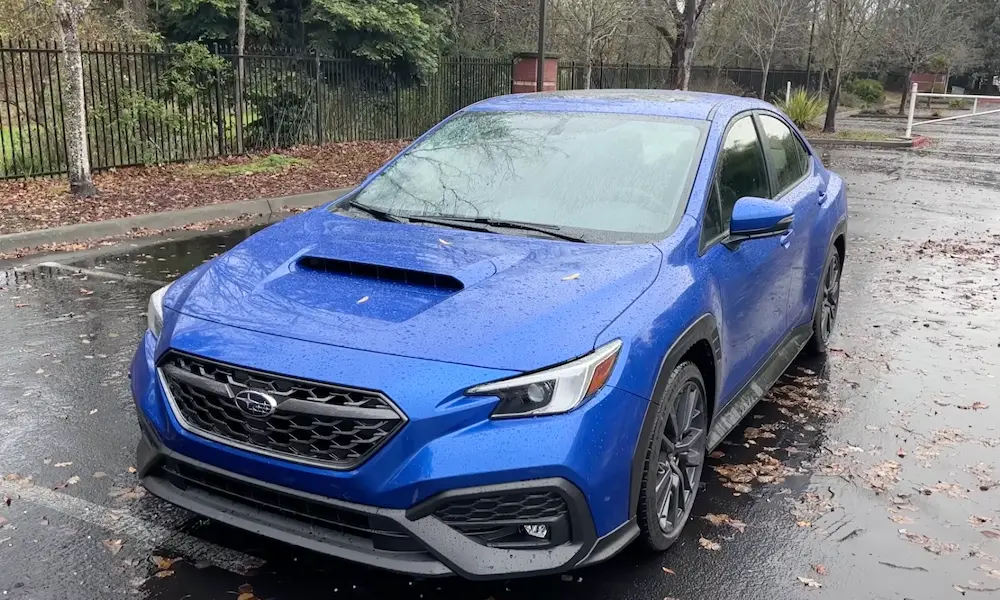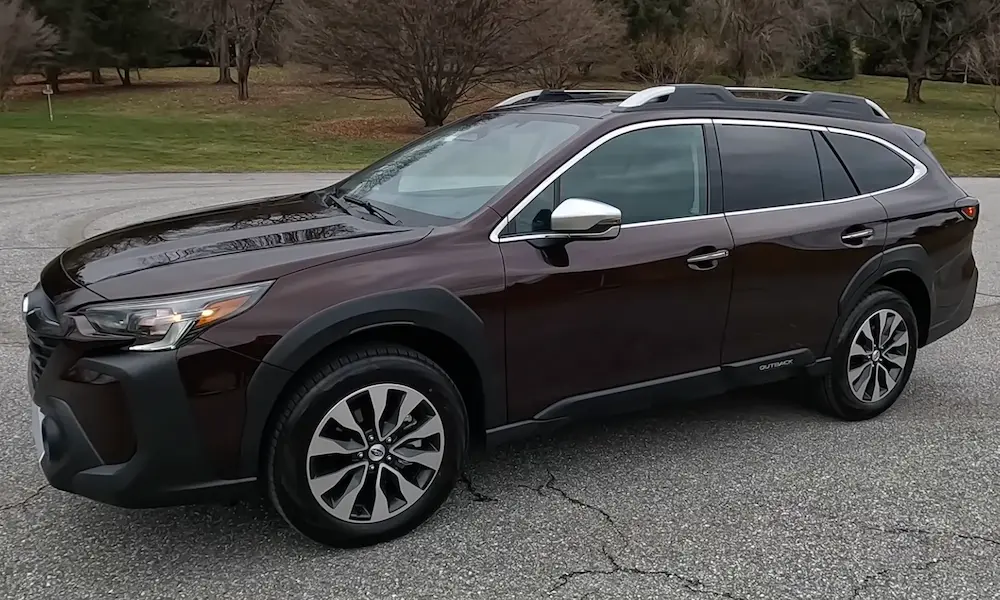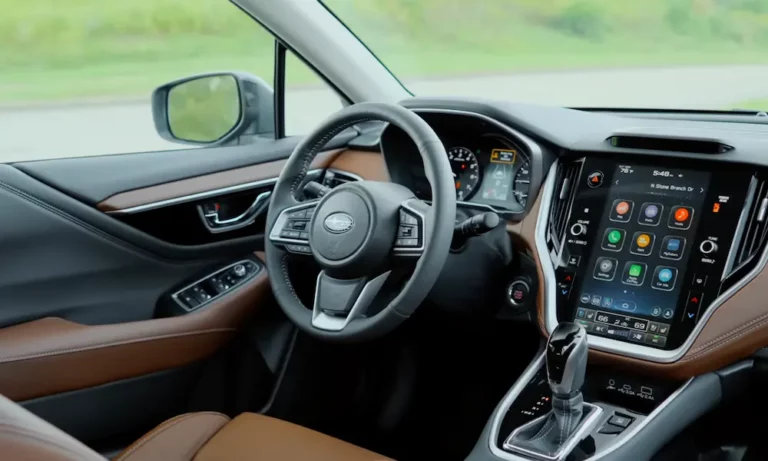
Has your Subaru refused to start despite having a good battery and fuel? That flashing security light on your dashboard might indicate an immobilizer issue. Don’t worry – you’re about to learn exactly how to reset your Subaru immobilizer and get back on the road.
What is a Subaru Immobilizer System?
A Subaru immobilizer is a sophisticated anti-theft system that prevents your engine from starting unless it recognizes the correct key. The system works through encrypted communication between your key’s transponder chip and several components in your vehicle:
- The transponder chip in your key
- Body Integrated Unit (BIU)
- Engine Control Module (ECM)
- Instrument cluster
When these components fail to communicate properly, your car stays immobilized, and you’ll typically see a security indicator light on your dashboard. This system is designed to protect your vehicle but can sometimes create headaches for legitimate owners.
Common Symptoms of Subaru Immobilizer Problems
You might be dealing with an immobilizer issue if you notice:
- Car cranks but won’t start
- Security or key light flashing on the dashboard
- Engine starts momentarily then dies
- Key turns in ignition but nothing happens
- “Immobilizer” message appears on the instrument display
These symptoms can occur suddenly and may be triggered by something as simple as a low key fob battery or as complex as an ECU malfunction.
Simple Subaru Immobilizer Reset Methods
Method 1: The Key Cycling Technique
This basic approach can resolve minor immobilizer glitches:
- Insert your key into the ignition
- Turn it to the “ON” position (not start) for 10 seconds
- Turn back to “OFF”
- Repeat this cycle three times
- On the fourth attempt, try starting the engine
This sequence sometimes resets the communication between your key and the immobilizer system. According to user experiences on CarGurus, this method works particularly well for temporary immobilizer activation.
Method 2: Battery Disconnect Reset
For a more thorough system reset:
- Disconnect your car’s negative battery terminal
- Wait 15 minutes (this allows capacitors to discharge)
- Reconnect the battery
- Try starting the car
This method can clear temporary electronic glitches that might be causing the immobilizer to activate incorrectly.
Method 3: Steering Column Lock Resolution
Sometimes what appears to be an immobilizer issue is actually related to the steering lock:
- Insert your key in the ignition
- Gently wiggle the steering wheel left and right while turning the key
- Apply slight pressure to the steering wheel in the direction it was last turned
- Simultaneously turn the key to start
This mechanical solution has helped many Subaru owners.
Advanced Subaru Immobilizer Reset Procedures
Method 4: Key Fob Reprogramming
If your immobilizer issue is related to key recognition:
- Enter your vehicle and close all doors
- Insert the key into the ignition
- Cycle the key from “OFF” to “ON” (without starting) 10 times within 15 seconds
- The dome light should flash or you might hear chimes, indicating programming mode
- Press the lock/unlock buttons on your fob to resynchronize
This procedure is particularly important if you’ve recently replaced your key fob battery. Subaru confirms this as an effective solution for certain immobilizer-related issues.
Method 5: Clearing Diagnostic Trouble Codes
For persistent immobilizer problems:
- Connect a Subaru-compatible OBD-II scanner to your diagnostic port
- Access the immobilizer or body control module
- Check for error codes (common ones include B1401 or B1572)
- Clear the codes
- Perform a key registration check
- Test start the vehicle
According to Subaru technical documentation filed with NHTSA, this approach is often necessary when dealing with more stubborn immobilizer faults.
Troubleshooting Specific Subaru Models
Forester Immobilizer Reset
The Forester often responds well to the basic key cycling method, but owners of models from 2014-2018 might need to:
- Ensure both programmed keys are available
- Use the master key (typically black-headed) for the reset procedure
- If the security light continues flashing, check for water damage to the key
Outback and Legacy Immobilizer Issues
For Outback and Legacy models:
- Check if the security light flashes exactly 5 times (indicates key recognition issue)
- Try holding the key very close to the ignition cylinder during starting
- For keyless models, press the start button with the physical key itself if the fob isn’t recognized
WRX and STI Performance Models
WRX and STI owners dealing with immobilizer problems should:
- Check for aftermarket modifications that might interfere with the immobilizer
- Verify engine management system updates haven’t affected the security system
- For tuned vehicles, ensure the immobilizer wasn’t inadvertently disabled during ECU flashing
When DIY Methods Don’t Work: Professional Solutions
Dealer Reprogramming
If your DIY attempts haven’t succeeded, a Subaru dealer can:
- Perform a complete key registration procedure
- Reset all security parameters in the BIU and ECM
- Update firmware if there are known issues with your model year
This service typically costs between $75-150 depending on your dealership and location.
Component Replacement and Synchronization
For severe cases involving component failure:
- Body Integrated Unit (BIU) Replacement: Requires reprogramming to match your specific vehicle’s security codes
- ECM Replacement: Needs synchronization with the existing immobilizer system
- Instrument Cluster: Must be coded to work with your vehicle’s specific security parameters
Proper synchronization between these components is critical when replacements are needed.
Immobilizer Bypass Options
As a last resort for vehicles with persistent issues:
- Specialized shops can modify your ECU to disable the immobilizer function
- This process (sometimes called “immo delete”) requires professional expertise
- Note that this approach eliminates an important security feature
Preventing Future Immobilizer Problems
To avoid future immobilizer headaches:
- Maintain Key Fob Batteries: Replace them every 1-2 years before they fail completely
- Keep Spare Keys Functional: Use all your keys periodically to keep them synchronized
- Avoid Key Damage: The transponder chip can be damaged by impact or water
- Be Cautious with Aftermarket Security: Additional systems can interfere with factory immobilizers
- Regular Software Updates: Have your dealer check for immobilizer-related updates during service visits
Important Considerations for Subaru Owners
Warranty Implications
If your Subaru is under warranty, immobilizer issues might be covered. Before attempting advanced reset procedures, check with your dealer about warranty coverage. Improper reset attempts might void certain aspects of your warranty.
Security Concerns
While resetting your immobilizer can be convenient, remember that this system exists to protect your vehicle. After any reset procedure:
- Test all keys to ensure they work properly
- Verify the security light operates normally (brief illumination at startup)
- Consider having additional security measures if you’ve had to bypass the immobilizer
Common Misconceptions About Subaru Immobilizers
Many owners misunderstand these systems:
| Misconception | Reality |
|---|---|
| Battery disconnection always resets the immobilizer | It may reset peripheral systems but not core immobilizer function |
| Any OBD scanner can reset the immobilizer | Only Subaru-specific tools can access the security modules properly |
| Aftermarket keys work the same as OEM | Only properly programmed Subaru keys contain the correct transponder chips |
| Immobilizer problems always show error codes | Some issues occur without setting diagnostic trouble codes |
Tools Needed for Subaru Immobilizer Reset
For basic resets, you’ll need:
- Your original Subaru key(s)
- Basic hand tools for battery disconnection
- Patience (some procedures require specific timing)
For advanced resets:
- Subaru-compatible diagnostic tool
- Access to key programming equipment
- Technical knowledge of your specific model
The Complete Subaru Immobilizer Reset Process
To summarize the most effective approach:
- Try the simple key cycling method first
- If unsuccessful, attempt the battery disconnect procedure
- Check for and address any mechanical issues (steering lock)
- Use diagnostics to identify specific trouble codes
- Perform key reprogramming if needed
- Consult a professional if DIY methods fail
Remember that different model years may respond better to certain methods, and Subaru’s own documentation emphasizes that their immobilizer systems evolve with each generation.
By following these steps systematically, you’ll maximize your chances of successfully resetting your Subaru immobilizer and getting back on the road quickly. If you encounter persistent issues, a Subaru specialist may be your best resource for more complex solutions.