So you’ve got a truck with GM’s 2.7-liter TurboMax engine, and something feels off. Or maybe you’re shopping for one and want the full story before you sign anything. Either way, this guide covers every major TurboMax engine problem — from cracked engine blocks to coolant leaks — so you know exactly what you’re dealing with.
What Is the TurboMax Engine?
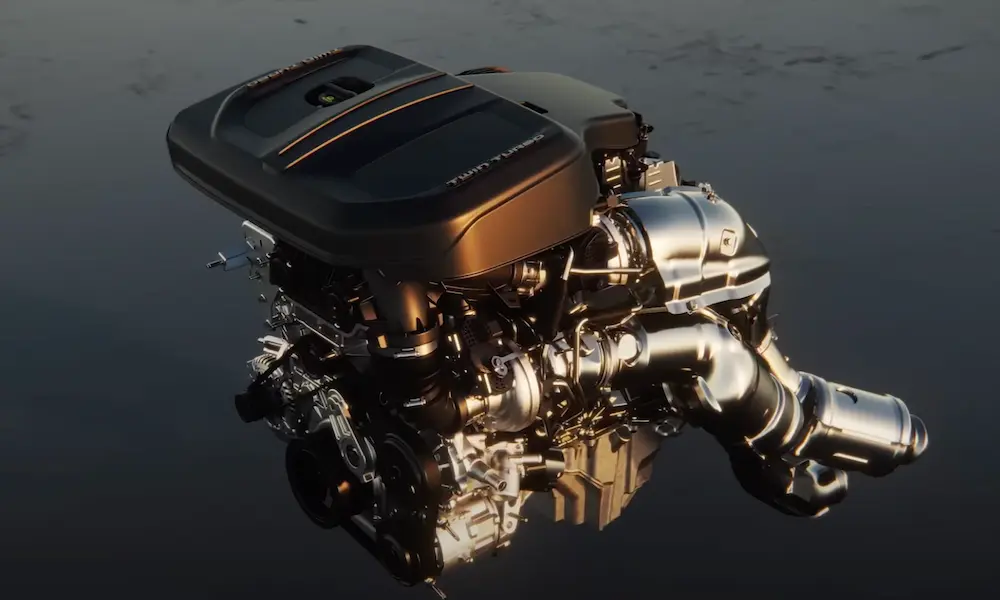
The TurboMax (internally called the L3B) is GM’s 2.7-liter turbocharged inline-four. It debuted in 2019 in the Silverado and Sierra 1500, replacing the old 4.3-liter V6. When it launched, it made 310 horsepower and 348 lb-ft of torque. The 2022 high-output version pushed that torque figure to an impressive 430 lb-ft, thanks to a forged bottom end and a stiffer block.
By 2023, the TurboMax became the only engine option in the redesigned Chevy Colorado and GMC Canyon. It also shows up in the Cadillac CT4. GM clearly believes in this platform — but belief doesn’t cancel out real problems.
| TurboMax Specs | Details |
|---|---|
| Displacement | 2,727 cc (2.7L) |
| Horsepower | 310 hp |
| Torque (High-Output) | 430 lb-ft |
| Valvetrain | DOHC, 4 valves per cylinder |
| Fuel System | Direct injection |
| Block / Head Material | Cast aluminum |
| Max RPM | 6,100 RPM |
The Most Serious TurboMax Engine Problem: Cracked Engine Blocks
This one’s the big one. In early 2024, GM issued Customer Satisfaction Program N232415060 after discovering a manufacturing defect in the engine block itself. The casting flaw creates cracks in the main oil gallery — the primary channel that pumps pressurized oil throughout the engine.
Here’s why that’s serious:
- A cracked oil gallery drops oil pressure fast
- Low oil pressure leads to sudden, total engine failure
- There’s no patch for this — affected engines need full replacement
GM covers the replacement at no cost under the program. Affected vehicles include certain 2023 Silverado 1500 and Colorado models. If you own one of these trucks, check your VIN on the NHTSA recall database immediately.
Head Gasket Failures at Low Mileage
The TurboMax runs high cylinder pressures to make its torque numbers. That heat and pressure load stresses the head gasket — the seal between the block and cylinder head.
Owners of 2022 models have reported head gasket failures as early as 20,000 to 40,000 miles. Watch for these symptoms:
- White smoke from the exhaust — coolant burning in the combustion chamber
- Milky or frothy oil — coolant mixing with engine oil
- Unexplained coolant loss without visible leaks
- Engine overheating
Ignore a bad head gasket and you’ll warp the aluminum cylinder head. That turns a $1,500 repair into a $4,000+ nightmare.
Fuel System Problems: Pumps and Injectors
High-Pressure Fuel Pump Failures
The TurboMax’s direct injection system runs fuel at over 2,000 PSI. The high-pressure pump is mechanically driven and doesn’t love dirty or water-contaminated fuel. When it starts failing, you’ll notice:
- Hard starts or long cranking times
- Power loss under heavy throttle
- A whining or ticking noise from the engine bay
- The truck entering “Reduced Power” mode or stalling
Contaminated fuel is the leading cause of early pump failure. Always use name-brand fuel from high-volume stations.
Fuel Injector Calibration Issues
GM has issued two separate fixes for injector problems. Emission Recall N232427950 and Service Update N242450631 both address incorrect engine control module programming that caused inconsistent injector flow rates.
The result? Rough idle, cold-start misfires, poor fuel economy, and excess emissions. The fix is a software update — quick, free, and done at the dealer. But you need to know to ask for it.
Turbocharger Issues: Lag, Sticking Wastegates, and Oil Leaks
Wastegate Sticking
Some owners describe their TurboMax-powered trucks as feeling “dull” or sluggish. The dual-volute turbocharger is designed to minimize lag, but a sticking wastegate can undercut that. Carbon buildup or a worn actuator arm causes the wastegate to seize.
- Stuck open: No boost builds. The truck feels gutless.
- Stuck closed: The engine over-boosts. The ECM cuts power to protect the engine.
Both scenarios leave you stranded in traffic feeling embarrassed. The electronic wastegate actuator is a known wear item.
Turbocharger Seal Failures
When the turbo’s internal seals fail, oil leaks into the intake. You’ll see blue smoke from the exhaust and notice the oil level dropping between changes. Ignoring this accelerates wear on the turbo bearings and eventually destroys the unit entirely.
Carbon Buildup on Intake Valves
This is a quirk of every direct-injection engine, and the TurboMax is no exception. Because fuel never sprays over the intake valves, carbon deposits from the crankcase ventilation system bake onto them over time.
The symptoms build slowly:
- Rough idle that worsens over time
- Random misfires
- Noticeable power loss above 3,500 RPM
- Worse fuel economy
Short trips and frequent cold starts speed up the buildup. The fix is walnut blasting — a shop blasts crushed walnut shells across the valves to strip them clean. Plan on doing this every 50,000 to 60,000 miles. Installing an oil catch can slows the buildup significantly and is worth every penny.
Cooling System Failures
Upper Radiator Hose Leaks
This issue plagues 2023–2025 Colorado and Canyon owners specifically. The upper radiator hose uses a quick-connect fitting with an O-ring. That O-ring fails. Coolant sprays into the engine bay. The engine overheats.
Class-action investigations are ongoing because many dealers initially replaced the hose with the same faulty design — leading to repeat failures. The community fix: replace the stock O-ring with a high-quality silicone version.
Coolant Control Valve and Water Pump Failures
The TurboMax ditches a traditional thermostat for a motorized rotary coolant control valve. It’s more efficient, but it fails. Diagnostic code P26BB points directly at this valve. Symptoms include:
- Heater blowing cold air despite a warm engine
- Radiator fan running at full speed on a cold start
The electric water pump adds another layer of risk. If it loses communication over the data bus, it stops pumping. Your engine overheats in minutes.
| Cooling System Fault | What You’ll Notice | Affected Model Years |
|---|---|---|
| Upper radiator hose O-ring | Coolant leak, driver’s side of radiator | 2023–2025 |
| Coolant control valve failure | No cabin heat, fan on full | 2019–2022 |
| Electric water pump failure | Engine Power Reduced warning | 2019–2021 |
| Head gasket breach | White exhaust smoke, milky oil | 2022 |
Valvetrain Problems: AFM Lifters and Sliding Cams
Collapsing Lifters
The TurboMax’s Active Fuel Management system deactivates cylinders two and three during light cruising. It works through specialized collapsing lifters — and those lifters can break. A stuck or failed lifter causes:
- Loud ticking or knocking noise
- Misfire codes on cylinders 2 or 3
- Metal shavings in the oil (worst-case scenario)
Some owners see this before 20,000 miles. Others make it past 100,000 miles. Keeping clean oil in the engine is your best defense.
Sliding Cam Actuator Problems
The TriPower system shifts between three cam lobe profiles using electric actuators. If the actuators fail — or if sludge clogs the oil passages — the system gets stuck. You might feel a shudder or hesitation that easily gets mistaken for a transmission problem. It’s not. It’s the cam profile not switching correctly.
Wiring Harness Chafing
GM released Technical Bulletin 21-NA-149 covering engine wiring harness chafing on 2019–2021 models. Engine vibration causes the harness to rub against the generator bracket, upper control arm bushing, and shock tower bolts. The insulation wears through and you get intermittent shorts.
Results range from weird to genuinely bad:
- Blown fuses (F46UA, F47UA, F85UA are commonly affected)
- Rough running or no-start conditions
- Erratic instrument cluster readings
A thorough harness inspection requires a tech to trace the wiring over the top of the camshaft carrier cover. It’s tedious work that dealers sometimes miss on the first visit.
How to Keep Your TurboMax Running Longer
You can’t avoid every problem, but you can reduce the odds of a catastrophic failure with the right habits.
| Maintenance Task | Interval | Why It Matters |
|---|---|---|
| Oil and filter change (dexos1 Gen 3) | Every 5,000 miles | Protects turbo and AFM lifters |
| Air filter replacement | 15,000–30,000 miles | Prevents turbo strain |
| Intake valve cleaning (walnut blast) | Every 50,000 miles | Restores airflow and idle quality |
| Coolant system inspection | Every 10,000 miles | Catches O-ring and hose leaks early |
| Spark plug replacement | 40,000–60,000 miles | Prevents misfires |
A few extra tips worth adding:
- Check the oil level every 1,000 miles. Some units consume oil between changes. Running low destroys turbo bearings fast.
- Use Top Tier gasoline. The higher detergent levels keep injectors and combustion chambers cleaner.
- Install an oil catch can. It intercepts oil vapor before it reaches your intake valves.
- Don’t ignore short warning lights. A P26BB or P0101 code that gets cleared without diagnosis often returns with a bigger bill attached.
Is the TurboMax Engine Reliable?
The honest answer is: it depends on the year and how you maintain it.
J.D. Power has rated the TurboMax-equipped Silverado and Colorado at 84–85 out of 100 for quality and reliability. That’s not bad. Most units run fine in the early years.
But real-world forums tell a different story for unlucky buyers. One 2025 Silverado owner on Edmunds reported engine shaking at just 594 miles — requiring two cylinder replacements. A 2023 Canyon owner on Reddit logged eight or nine dealer visits in the first year alone.
The engine is genuinely impressive for its size — it out-torques the old V6 by a wide margin. But it’s also complex in ways that older truck engines never were. Every advanced system (sliding cams, active fuel management, electric water pump, rotary coolant valve) is another thing that can go wrong.
If you own one, stay on top of recalls through NHTSA, keep clean synthetic oil in it, and don’t skip the basics. That combination goes a long way toward getting the most out of this modern, capable — but admittedly demanding — truck engine.