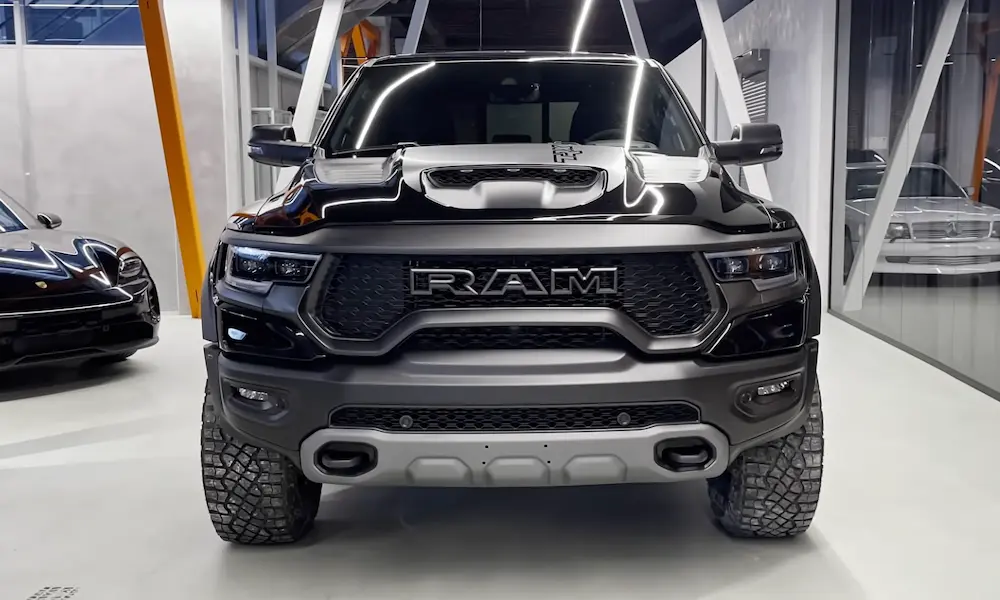
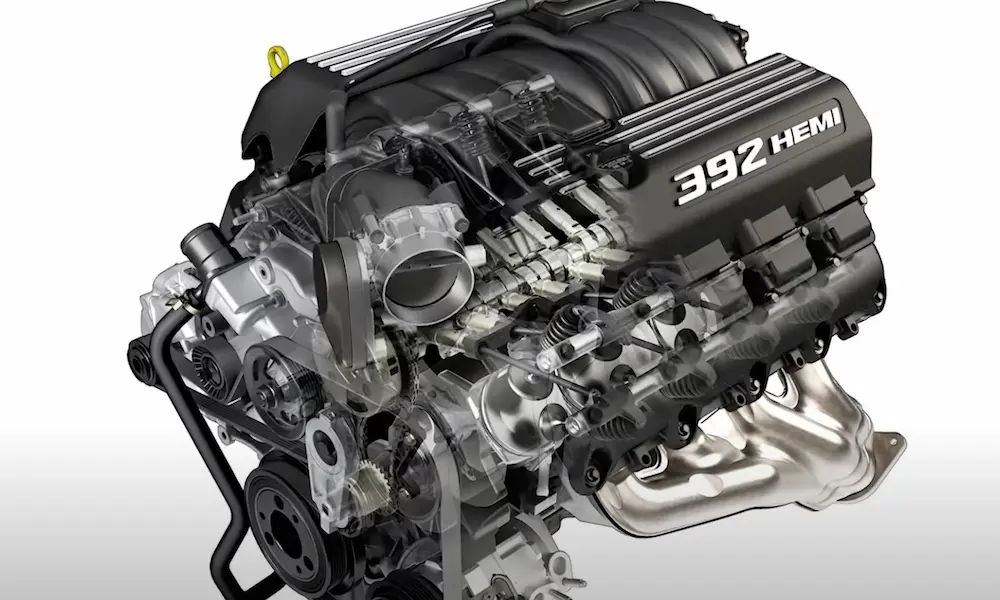
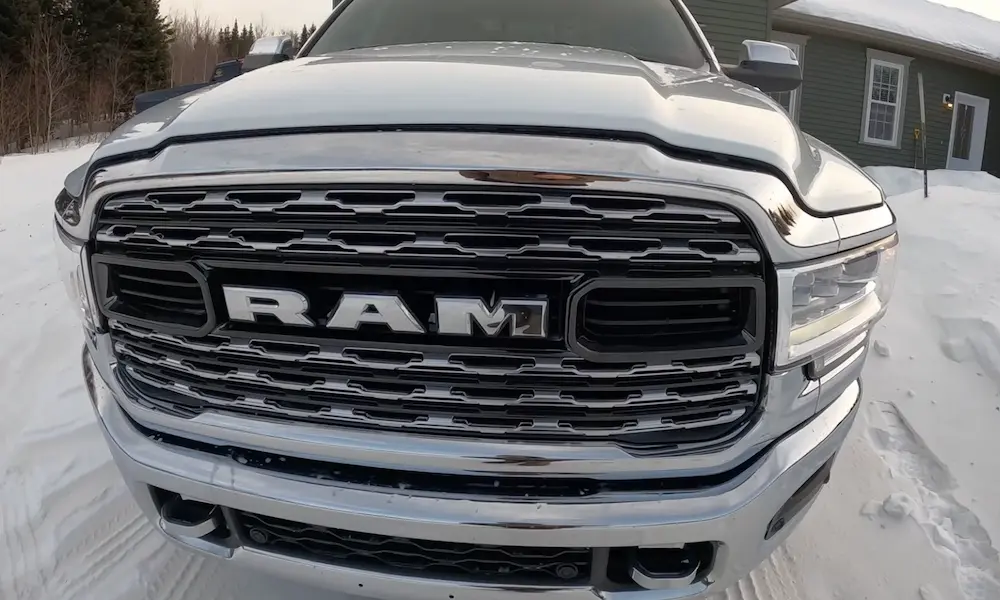
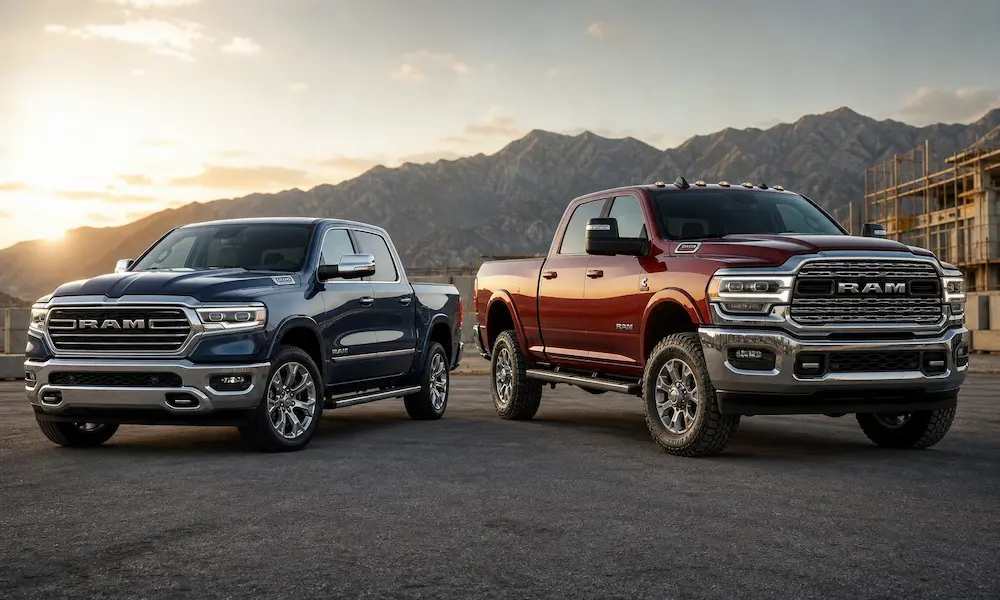
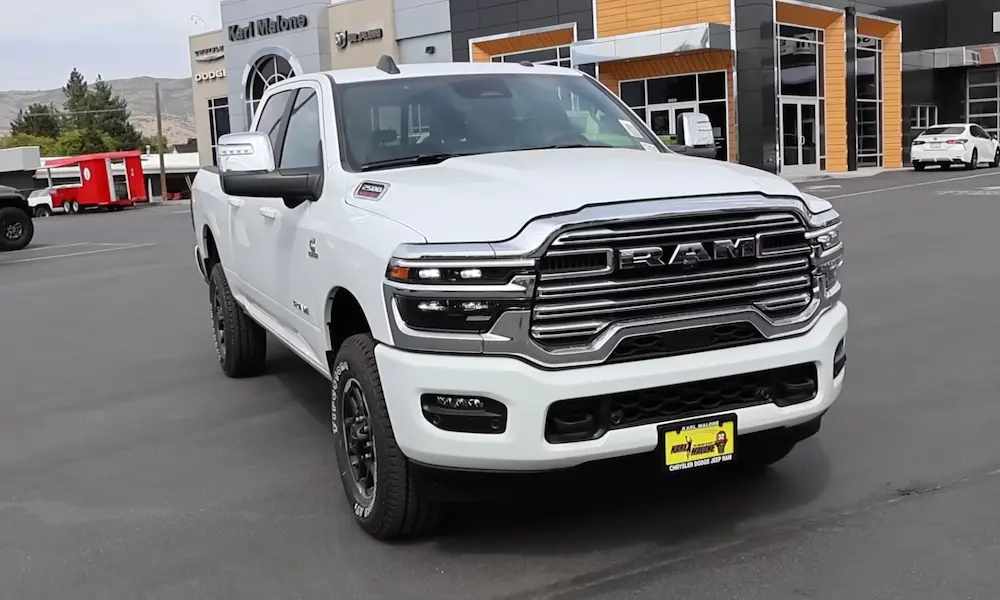
Wondering if the 3.6 Pentastar reliability holds up over time — or if you’re sitting on a ticking time bomb? This engine powers millions of Jeeps, RAMs, and Dodges, so the stakes are real. Some owners hit 300,000 miles without breaking a sweat. Others face expensive repairs before 100,000. Read to the end to find out which camp you’ll land in.
What Is the 3.6 Pentastar V6?
The 3.6-liter Pentastar V6 launched in 2011 as Stellantis’s answer to a fragmented engine lineup. Before it arrived, Chrysler juggled seven different V6 architectures. That’s a parts and training nightmare.
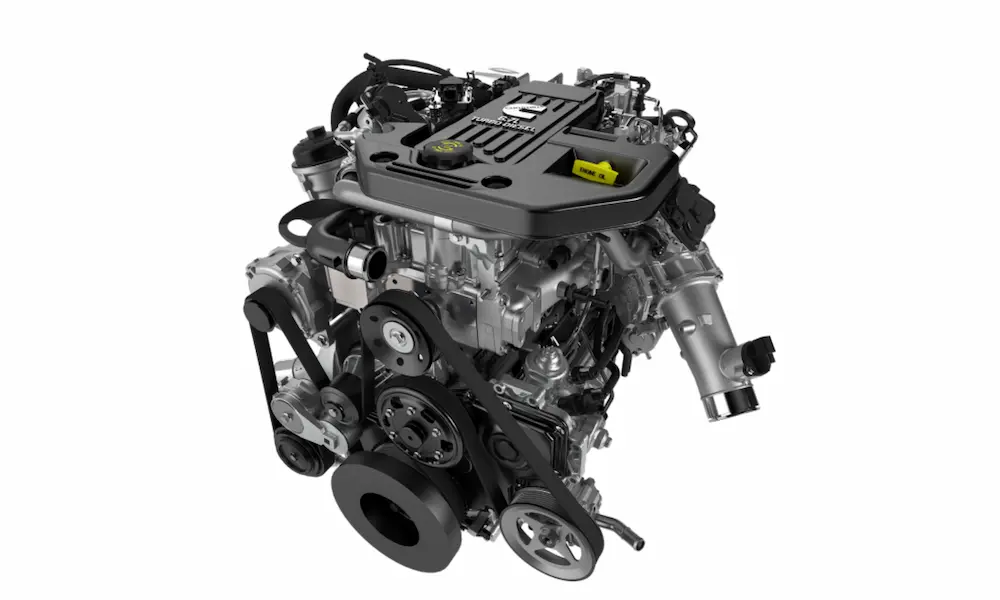
The Pentastar replaced all of them with one clean, modular design. It uses a dual overhead cam setup, 24 valves, independent variable valve timing on both banks, and an aluminum block with cast-iron liners. Today, it’s been installed in over 10 million vehicles across Jeep, RAM, Dodge, and Chrysler.
Quick specs at a glance:
| Feature | Specification |
|---|---|
| Displacement | 3,604 cc |
| Valvetrain | DOHC, 24-valve, Dual VVT |
| Compression Ratio | 10.2:1 (pre-2016) / 11.3:1 (post-2016) |
| Power Output | 275–305 hp |
| Block Material | Die-cast aluminum with iron liners |
| Weight | ~425 lbs |
Versatile? Absolutely. Perfect from day one? Not quite.
The Years You Should Actually Avoid
If 3.6 Pentastar reliability is your concern, the years 2011, 2012, and early 2013 carry the most risk. These early engines had a genuine manufacturing defect baked into the left-side cylinder head. Automotive experts consistently flag these years as the most problematic in the engine’s history.
The Left Cylinder Head Problem
The valve seats on cylinder number two couldn’t handle the heat. The casting design left them under-cooled, so they’d warp, causing poor sealing and persistent misfires.
You’d know something was wrong when you heard:
- A rhythmic ticking from the driver’s side of the engine bay
- A rough idle that wouldn’t smooth out
- A check engine light with misfire codes on cylinders 2, 4, or 6
Chrysler responded by issuing the X56 warranty extension, covering affected cylinder heads for 10 years or 150,000 miles. That extension covered replacement with a revised head featuring hardened valve seats and guides. If you’re buying a used 2011–2013 vehicle, check whether this repair was already done.
Sand Contamination and Water Pump Failures
Beyond the cylinder head drama, early Pentastars dealt with two more problems:
Casting sand contamination — Manufacturing left residual sand inside engine passages. That sand circulated through the cooling system, clogging heater cores and eroding water pump impellers. Technicians often spotted sludgy sediment in the coolant overflow reservoir as the telltale sign.
Premature water pump failure — The early pumps had weak internal seals and noisy bearings. A slow leak meant gradual coolant loss. If you missed it, you risked overheating — and more cylinder head damage on top of what you already had.
The Pentastar Tick: The Problem That Never Fully Went Away
Once Chrysler fixed the cylinder head in 2013, a different valvetrain issue stepped into the spotlight. This one earned a nickname: the Pentastar Tick. It’s the most common engine repair for high-mileage Pentastar owners and it deserves your full attention.
What Causes the Tick?
The Pentastar uses finger-follower rocker arms. Each rocker has a small roller supported by tiny needle bearings. These bearings rely on oil mist for lubrication. Over time — especially with extended oil change intervals or the wrong oil weight — those needle bearings seize or fall apart.
When the bearing fails, the roller stops rolling and starts hammering the camshaft lobe. That’s the tick you hear. If you keep driving, the seized roller grinds the camshaft lobe flat. Once that happens, the valve can’t open fully, and you’ll notice severe misfires, stalling, and a dramatic power loss.
The repair cost depends entirely on how fast you catch it:
| Stage of Failure | Primary Symptoms | Estimated Cost (USD) |
|---|---|---|
| Early | Light ticking at idle | $750 – $1,500 |
| Intermediate | Loud metallic tapping | $1,800 – $2,800 |
| Advanced | Misfires, stalling, power loss | $3,500 – $5,000 |
The fix is simple in principle: change your oil more often. Factory intervals go up to 10,000 miles, but independent technicians strongly recommend 5,000-mile intervals to keep those needle bearings alive.
The Oil Filter Housing: Plastic Was a Bad Idea
Another persistent weak spot in 3.6 Pentastar reliability is the oil filter housing. It sits in the valley between the cylinder banks, directly under the intake manifold. That’s the hottest real estate on the engine, and Chrysler made it out of plastic.
How It Fails
Years of heat cycling cause the plastic to warp and crack. The rubber seals flatten out and lose their grip on high-pressure oil. Leaks start slowly — the engine valley collects oil before it drips down, so you might lose nearly a quart before you notice anything. Watch for:
- A faint burning oil smell
- Small puddles near the rear of the engine toward the transmission
- A sudden drop in oil pressure if the crack is significant
One common cause of immediate failure? An overtightened oil filter cap. Both the cap and the housing are plastic. Go past the specified torque and the housing cracks instantly.
The smart long-term fix is an all-aluminum aftermarket replacement housing. These eliminate the cracking and warping problem entirely. Many high-mileage owners install one during the first repair and never deal with the issue again.
The 2016 Pentastar Upgrade: Better, But Not Perfect
In 2016, the Pentastar received its biggest overhaul. The update — called the Pentastar Upgrade or PUG — focused on fuel economy and low-end torque, mainly for RAM 1500 and Jeep Grand Cherokee applications.
What Changed in 2016
- Two-Stage Variable Valve Lift (VVL): Switches between low-lift for cruising and high-lift for power
- Cooled Exhaust Gas Recirculation (EGR): Reduces emissions and improves thermal efficiency
- Higher compression ratio: Jumped from 10.2:1 to 11.3:1
- Revised pistons, injectors, and ignition coils: Less internal friction, cleaner combustion
The PUG engine is genuinely more refined. But adding VVL and cooled EGR introduced new failure points. The EGR system can clog with carbon deposits or develop leaks that trigger rough idling and warning lights. And despite claims of a more robust valvetrain, the Pentastar Tick has shown up in post-2016 engines too.
In early 2023, a customer satisfaction notification covered certain 2022 Jeep Wranglers and RAM 1500s for cylinder misfires and valvetrain noise requiring cylinder head or rocker arm replacement. Over a decade of production and the engine still isn’t fully immune to these issues.
How the 3.6 Behaves in Different Vehicles
3.6 Pentastar reliability isn’t uniform across every vehicle it powers. The application matters.
RAM 1500
In the RAM 1500, the Pentastar suits buyers who want better fuel economy over the Hemi V8’s towing muscle. Newer RAMs come with the eTorque mild hybrid system, which swaps the alternator for a belt-driven motor-generator. It smooths out start-stop operation and adds a small torque boost, but it also adds a 48-volt battery pack that’s expensive to replace. Some buyers prefer the older Classic RAM models specifically to avoid that complexity.
The ultimate testament to Pentastar durability? RAM ProMaster commercial vans have logged over 600,000 miles in high-use delivery fleets. That’s real-world proof the engine can go the distance.
Jeep Wrangler
Wrangler owners deal with two added quirks. First, the harsh environments Jeeps operate in put extra strain on everything. Second, many Wranglers use a dual-battery Electronic Start-Stop (ESS) system — a primary battery for starting and a smaller auxiliary battery for electronics during the stop phase.
When the auxiliary battery fails, it can drain the primary battery through the parallel wiring. You can end up stranded even though your main battery is fine. Worse, the auxiliary battery hides under the fuse box, making DIY replacement a genuine pain.
Chrysler Pacifica
The Pacifica pairs the 3.6-liter with a ZF-designed nine-speed automatic. The combination has a mixed reputation. Owners report harsh or jerky shifts during low-speed maneuvers, and early models needed software updates to the Transmission Control Module to smooth things out. Some units required full transmission replacement at low mileage.
The Pacifica Hybrid (PHEV) version has faced federal investigations into a transmission short circuit that can cut all motive power without warning — a significant safety concern worth checking before you buy.
How to Actually Keep This Engine Running Long-Term
The factory maintenance schedule isn’t aggressive enough for a long-lived Pentastar. Here’s what experienced owners and independent mechanics actually recommend:
| Service Item | Factory Interval | Expert Recommendation |
|---|---|---|
| Engine Oil & Filter | 8,000–10,000 miles | 5,000 miles |
| Coolant Flush | 10 years / 150,000 miles | 5 years / 60,000 miles |
| Spark Plugs | 100,000 miles | 60,000–80,000 miles |
| PCV Valve | As needed | 30,000–50,000 miles |
| Transmission Fluid | “Lifetime” (some models) | 50,000–60,000 miles |
Oil Weight: The Ongoing Debate
Chrysler moved to 5W-20 and later 0W-20 for marginal fuel economy gains. But many professionals argue that 5W-30 gives better valvetrain protection, especially in hot climates or under towing loads. Thicker oil maintains better film strength at operating temperature — exactly what those needle bearings need.
Whatever weight you choose, make sure your oil meets the Chrysler MS-6395 specification. It ensures compatibility with the seals and the variable valve timing system.
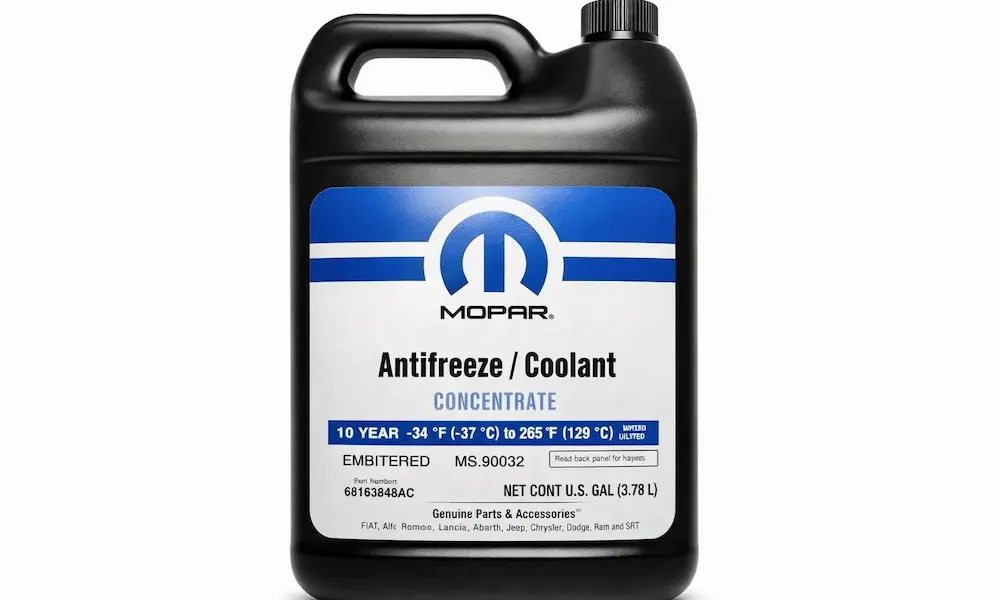
Coolant: Don’t Mix HOAT and OAT
This one matters more than most people realize. Pre-2013 Pentastars used HOAT coolant. 2013 and newer models use OAT. Mix the two and they react to form a thick brown gel that clogs your radiator and heater core fast.
Don’t trust coolant color alone — dye formulas vary by brand. Check your owner’s manual for the specific coolant type before you top off.
The Honest Verdict on 3.6 Pentastar Reliability
The 3.6 Pentastar isn’t bulletproof. But it’s far from a throwaway engine. Its reliability ceiling is genuinely high — some units hit 300,000 miles and beyond with proper care. The floor, however, drops fast if you skip oil changes or ignore a new tick.
The short version:
- 2011–2013 engines carry the highest risk — check for the X56 cylinder head repair before buying
- 2014 and newer shift the main risk to rocker arm bearings and the oil filter housing
- 2016+ PUG engines are more efficient but not immune to the classic Pentastar Tick
- Every year benefits from 5,000-mile oil changes, the correct coolant, and quick action when a ticking sound appears
Treat this engine with respect and it’ll return the favor with hundreds of thousands of reliable miles.