Ever wondered what makes the 4.3 Vortec tick? This workhorse V6 has powered everything from pickup trucks to boats for decades. Whether you’re troubleshooting an issue, considering a purchase, or just curious about what’s under the hood, you’ll find everything you need to know about this legendary GM engine right here.
Let’s dive into the complete specs, history, and real-world performance of the 4.3 Vortec engine family.
What Is the 4.3 Vortec Engine?
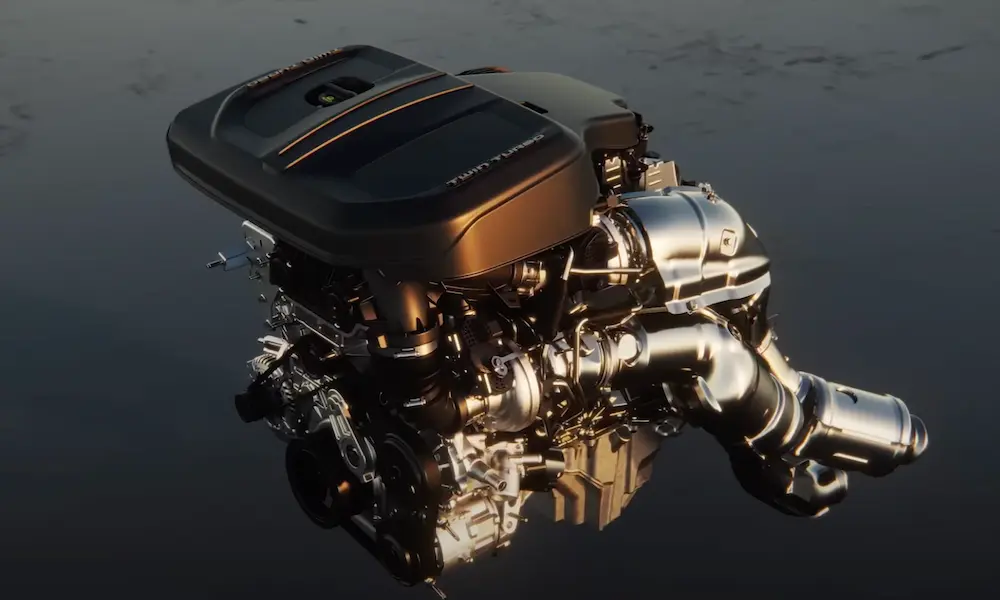
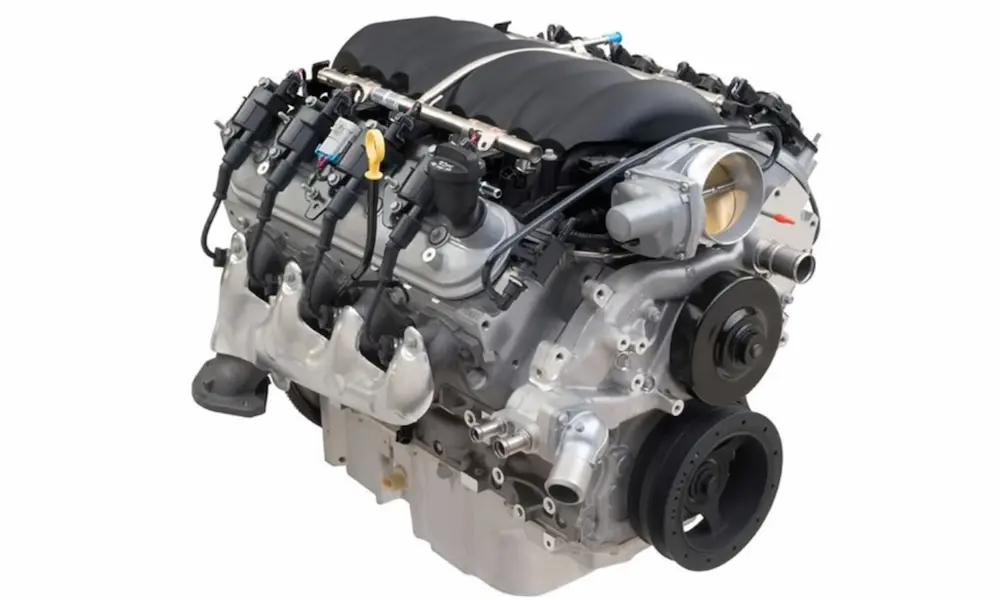
The 4.3 Vortec is a 90-degree V6 engine produced by General Motors. With a displacement of 262 cubic inches (4.3 liters), it’s essentially a small-block Chevy V8 with two fewer cylinders. This design gives it excellent torque characteristics and proven reliability.
The “Vortec” name comes from the vortex technology used in the combustion chambers, which improves fuel efficiency and power output. Over the years, this engine has evolved through several generations, each bringing improvements in power, efficiency, and emissions.
4.3 Vortec Engine Generations and Evolution
The 4.3L Vortec has undergone significant changes throughout its production life. Here’s a breakdown of each major generation:
Gen 1e (Early Vortec)
The original 4.3L Vortec featured:
- Cast iron block and heads
- Overhead valve design with 2 valves per cylinder
- 9.4:1 compression ratio
- Hydraulic roller valve lifters
- Firing order: 1-6-5-4-3-2
This version established the reputation for the entire engine family, delivering solid performance with excellent durability.
LU3 Variant (2003-2014)
The LU3 became the standard powerplant for GM’s full-size trucks and vans including:
- Chevrolet Silverado 1500
- GMC Sierra 1500
- Chevrolet Express
- GMC Savana
Key improvements included:
- Electronic Direct Ignition System (replacing distributor)
- 58X crankshaft-sensing reluctor wheel
- Improved emissions controls
- Updated cylinder heads
The LU3 prioritized torque delivery, efficiency, and low ownership costs, making it ideal for both personal and commercial use.
EcoTec3 LV3/LV1 (2014-Present)
The most advanced 4.3L Vortec represents a complete redesign with:
- Aluminum block and heads (vs. cast iron in earlier generations)
- 11.0:1 compression ratio
- Direct fuel injection
- Variable valve timing
- E85 flex-fuel capability
- 285 horsepower and 305 lb-ft of torque
GM engineers invested more than 10 million hours developing this fifth-generation small block design, which debuted in the 2014 Chevrolet Silverado and GMC Sierra.
4.3 Vortec Performance Specifications
The performance of the 4.3 Vortec varies significantly depending on the generation and application. Here’s a comparison of key specs across different variants:
| Specification | Gen 1e (Gasoline) | Marine Variant | LU3 | EcoTec3 LV3 |
|---|---|---|---|---|
| Horsepower | 190 hp @ 4400 rpm | 226 hp @ 4800 rpm | 195 hp | 285 hp @ 5300 rpm |
| Torque | 253 lb-ft @ 2800 rpm | 268 lb-ft @ 4000 rpm | 260 lb-ft | 305 lb-ft @ 3900 rpm |
| Block Material | Cast Iron | Cast Iron | Cast Iron | Aluminum |
| Head Material | Cast Iron | Cast Iron | Cast Iron | Aluminum |
| Compression | 9.4:1 | 9.4:1 | 9.6:1 | 11.0:1 |
| Fuel System | TBI/CPI | MPI | SFI | Direct Injection |
The progression shows a clear trend toward higher output from the same displacement through advanced technologies and materials.
Industrial and Marine 4.3 Vortec Applications
Beyond automotive use, the 4.3 Vortec found success in industrial and marine settings, where its durability and torque characteristics were highly valued.
Marine Version Features
The marine variant of the 4.3L Vortec included specific adaptations:
- Cylinder head gaskets with stainless steel cores for corrosion resistance
- Cast aluminum oil pan with epoxy painting
- Eccentric main bearings for increased longevity
- Higher output (226 hp) compared to basic industrial variants
These engines powered countless boats, offering excellent reliability in demanding marine environments.
Industrial Applications and Alternative Fuels
In industrial settings, the 4.3L Vortec demonstrated impressive fuel flexibility with calibrations for:
- Gasoline: 133.3 hp @ 3000 rpm and 236.7 ft-lbs @ 2600 rpm
- LPG (propane): 133.0 hp @ 3000 rpm and 245.5 ft-lbs @ 1400 rpm
- Natural gas: 110.0 hp @ 2650 rpm and 228 ft-lbs @ 1800 rpm
This multi-fuel capability made the engine ideal for applications such as generators, pumps, forklifts, and other industrial equipment.
Technical Deep Dive: Engine Construction
The physical construction of the 4.3L Vortec has evolved dramatically over its lifetime.
Early Generations (Cast Iron Era)
The original engines featured:
- Cast iron block (GM232-M specification)
- Cast iron cylinder heads
- Cast iron intake manifolds (one-piece or two-piece)
- Nodular iron crankshaft
- Camshaft crafted from 5150 steel billet
- Weight: approximately 430 lbs (195 kg)
This robust construction prioritized durability over weight considerations.
EcoTec3 Construction (Aluminum Era)
The modern EcoTec3 variants represent a complete shift in materials:
- Cast aluminum block
- Cast aluminum cylinder heads
- Composite intake manifold
- Forged steel crankshaft
- Significantly reduced weight
- Improved thermal management
These changes yielded not only better power-to-weight ratios but also improved fuel efficiency and emissions.
Bore, Stroke, and Dimensional Specifications
The 4.3L Vortec’s fundamental dimensions have seen slight changes through generations:
Gen 1e Dimensions
- Bore: 101.60 mm (4.00 inches)
- Stroke: 88.39 mm (3.48 inches)
- Bore center: 111.76 mm
- Bore area: 486.44 cm²
- Firing order: 1-6-5-4-3-2
EcoTec3 Dimensions
- Bore: 99.6 mm (3.92 inches)
- Stroke: 92 mm (3.62 inches)
- Slight increase in stroke for better torque characteristics
- Maximum engine speed: 5800 rpm
These dimensional changes reflect GM’s ongoing optimization of the engine for different applications and performance targets.
4.3 Vortec Fuel Systems Evolution
The fuel delivery systems used in the 4.3 Vortec line have evolved dramatically:
Early Systems
- Throttle Body Injection (TBI): Simple single-point injection
- Central Port Injection (CPI): An early form of multi-port injection
- Sequential Fuel Injection (SFI): True multi-port injection with sequential timing
Modern Systems
- Direct Injection: Fuel sprayed directly into combustion chambers
- Variable Valve Timing: Optimizing valve events based on engine speed and load
- Active Fuel Management (on some applications): Cylinder deactivation for improved efficiency
This evolution in fuel systems has been key to the engine’s improved performance, efficiency, and emissions compliance over time.
Real-World Performance and Applications
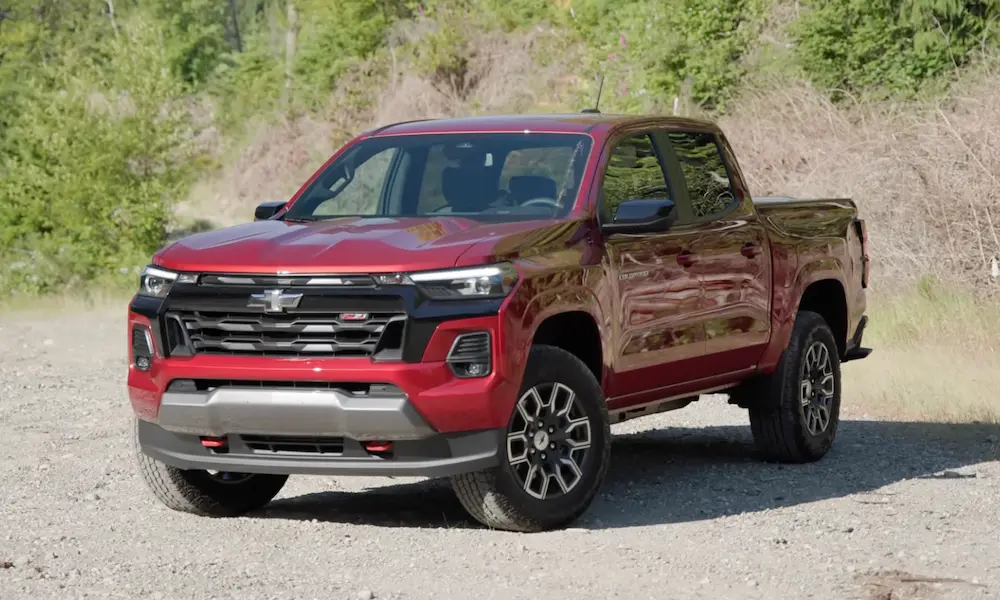
The 4.3L Vortec has powered a wide range of vehicles:
Trucks and Vans
- Chevrolet Silverado/GMC Sierra 1500
- Chevrolet S-10/GMC Sonoma
- Chevrolet Express/GMC Savana
- Chevrolet Blazer/GMC Jimmy
- Chevrolet Astro/GMC Safari
Marine Applications
- Inboard and stern drive boats
- Various power ratings depending on application
- Reputation for reliability in harsh marine environments
Industrial Equipment
- Generators
- Pumps
- Forklifts
- Other stationary power applications
The engine’s versatility across these diverse applications speaks to its fundamental design strengths.
Common 4.3 Vortec Engine Problems and Reliability
While generally considered reliable, the 4.3 Vortec has some known issues:
Early Generation Issues
- Intake manifold gasket failures (especially 1996-2002)
- Distributor problems
- Spider injector system failures in CPI systems
LU3 Common Problems
- Intake manifold gasket leaks
- Carbon buildup
- Oil consumption in higher-mileage engines
EcoTec3 Concerns
- Direct injection carbon buildup
- More complex systems mean more potential failure points
- Higher maintenance costs compared to earlier generations
Despite these issues, properly maintained 4.3 Vortec engines regularly exceed 200,000 miles, with many reaching 300,000+ miles with timely maintenance.
Tuning and Modifications
The 4.3 Vortec responds well to aftermarket modifications:
Popular Upgrades
- Cold air intakes: 5-10 hp gain
- Performance exhaust: 5-15 hp gain
- Tuners and programmers: 10-20 hp gain
- Cam upgrades: 20-40 hp gain
- Cylinder head improvements: 15-30 hp gain
Forced Induction Options
- Supercharger kits: 50-150 hp gain
- Turbocharger systems: 75-200+ hp gain
Many parts from the small-block Chevy V8 family can be adapted to work with the 4.3L V6, making it a relatively easy engine to modify.
Maintenance Requirements and Longevity Tips
To maximize the lifespan of a 4.3 Vortec:
- Regular oil changes: Every 3,000-5,000 miles with conventional oil, or 5,000-7,500 miles with synthetic
- Cooling system maintenance: Flush every 30,000-50,000 miles
- Fuel injector cleaning: Every 30,000 miles
- Spark plugs and wires: Replace at manufacturer-recommended intervals
- Intake system cleaning: Particularly important for direct-injection EcoTec3 models
Following these maintenance guidelines can help these engines deliver decades of reliable service.
Comparing the 4.3 Vortec to Competitor Engines
How does the 4.3 Vortec stack up against similar engines from other manufacturers?
| Engine | Displacement | Peak Horsepower | Peak Torque | Notable Features |
|---|---|---|---|---|
| GM 4.3L EcoTec3 | 4.3L V6 | 285 hp | 305 lb-ft | Direct injection, VVT, aluminum construction |
| Ford 3.3L V6 | 3.3L V6 | 290 hp | 265 lb-ft | Ti-VCT, port fuel injection |
| Ram 3.6L Pentastar | 3.6L V6 | 305 hp | 269 lb-ft | VVT, higher-revving design |
| Toyota 3.5L D-4S | 3.5L V6 | 278 hp | 265 lb-ft | Combined direct & port injection |
The 4.3 Vortec distinguishes itself with superior low-end torque, making it particularly well-suited for truck applications where low-end pulling power is valued.
The Future of the 4.3 Vortec Engine
As automotive technology advances toward electrification, the future of large-displacement naturally aspirated engines remains uncertain. However, the 4.3L EcoTec3 continues to serve as the base engine in several GM truck platforms as of 2023.
The technological advancements in the EcoTec3 generation demonstrate GM’s commitment to extending the viability of this architecture. While it may eventually be phased out in favor of smaller turbocharged engines or hybrid powertrains, the 4.3 Vortec has earned its place in automotive history as one of the most versatile and dependable V6 engines ever produced.
4.3 Vortec Engine Legacy and Impact
The 4.3 Vortec’s legacy is defined by its adaptability and reliability across multiple decades of production. Beginning as a simple workhorse engine, it evolved into a sophisticated power plant incorporating advanced materials and technologies.
Its influence extends beyond GM products, helping establish expectations for V6 truck engines industry-wide. The fundamental architecture—a 90-degree V6 derived from a V8 design—has proven so successful that similar approaches have been adopted by multiple manufacturers.
For millions of drivers and workers, the 4.3 Vortec has been the reliable heart of their vehicles and equipment, powering everything from family trips to commercial operations. That real-world impact, more than any specification or technical achievement, defines the true success of this remarkable engine.