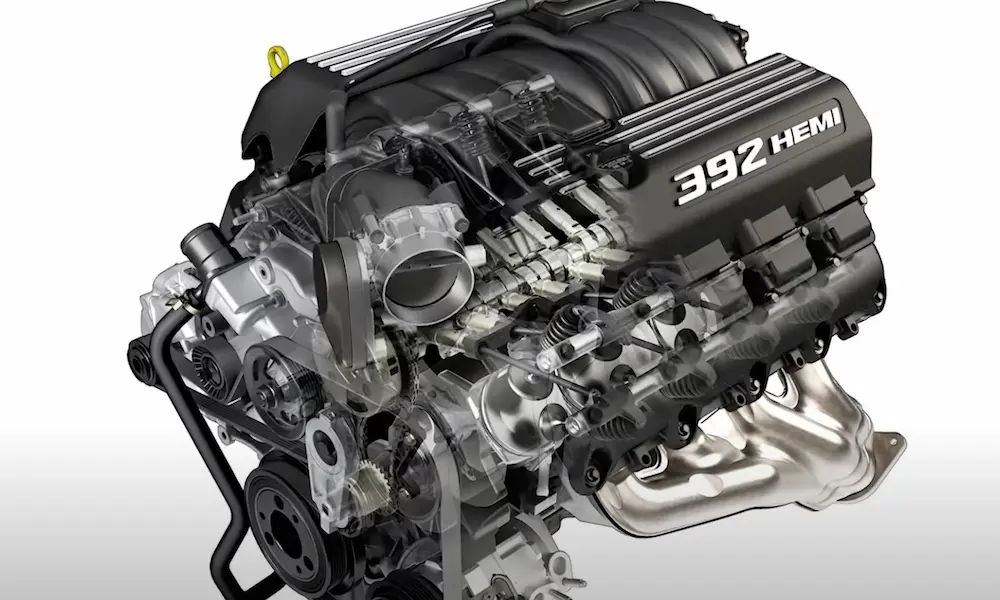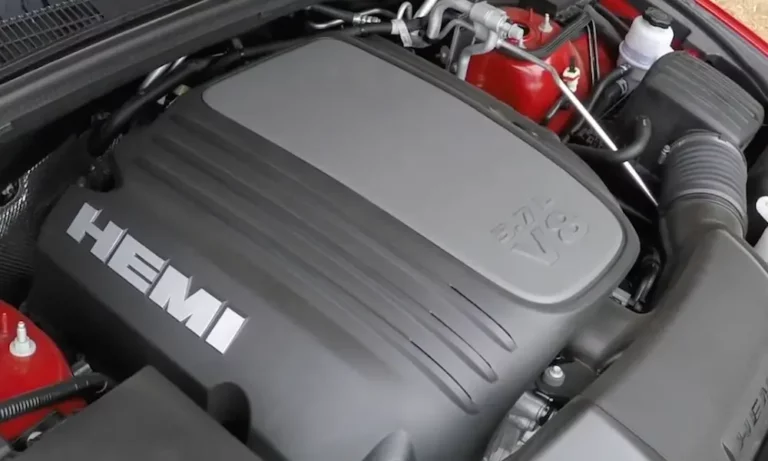
Thinking about removing the Multi-Displacement System from your 5.7 Hemi engine? You’re about to dive into one of the most popular modifications for Chrysler, Dodge, and Ram owners. This guide breaks down everything you need to know about MDS delete – from why people do it to how it’s done, and what to expect afterward.
What Is MDS and Why Do People Delete It?
The Multi-Displacement System (MDS) in your 5.7 Hemi engine deactivates four cylinders (1, 4, 6, and 7) during light driving conditions to improve fuel economy. When these cylinders shut down, the engine operates on just four cylinders, using special lifters that collapse to prevent the valves from opening.
Sounds clever, right? In theory, it is. The system can improve highway fuel economy by up to 20%. But here’s where things get tricky:
- MDS introduces complex components that can fail over time
- The special lifters are known failure points in high-mileage engines
- Many owners report annoying surging and vibration during cylinder transitions
- The constant cycling between 4 and 8 cylinders can accelerate wear
As research from Summit Racing shows, MDS components account for around 72% of lifter-related failures in these engines.
Temporary MDS Deactivation: The Simple Approach
Before diving into permanent modifications, you might want to try deactivating MDS temporarily:
Using Transmission Modes
This is the easiest method requiring zero tools or modifications:
- Shift to Sport mode (if available)
- Use Tow/Haul mode
- With column shifters (like in 2013-2018 Ram 1500s), pull the lever left six times to force the transmission into manual mode
These methods work because they change the transmission’s behavior, preventing MDS from activating. The downside? This reset every time you restart your vehicle.
Tuner-Based Deactivation
A more persistent but still reversible approach uses aftermarket tuners:
- Programmers like HP Tuners can disable MDS through ECU modifications
- This requires accessing the
Engine > Fuel > Lean/Fuel-Savingsettings - For 2015+ models, you’ll need PCM unlocking services ($250-400)
While this method successfully prevents MDS activation, it’s important to note that all the MDS hardware remains in place, leaving potential failure points intact.
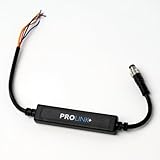
- 2x dedicated 0-5V analog inputs
- 1x CAN bus input (500kbps)
- 100Hz sampling rate
- M8 connector to 5-wire harness.
- Compatible with MPVI2+ (Pro Feature Set required) and MPVI3 interfaces only.
Complete MDS Delete: The Permanent Solution
If you’re committed to eliminating MDS completely, you’ll need to replace the physical components. This is a much more involved process but delivers the most comprehensive results.
Essential Components for MDS Delete
A complete delete kit typically includes:
| Component | Purpose | Approximate Cost |
|---|---|---|
| Non-MDS Camshaft | Eliminates the special lobe profiles needed for MDS | $399-800 |
| Standard Lifters | Replace the collapsible MDS lifters with standard ones | Included in kit |
| Lifter Trays | Hold the new standard lifters | Included in kit |
| Solenoid Block-Off Plugs | Seal the holes where MDS solenoids were installed | Included in kit |
| Full Kit Price | All components bundled | $1,189-1,500 |
Companies like Texas Speed and Summit Racing offer complete kits with all necessary components.
The Installation Process
This is not a weekend DIY job unless you’re an experienced mechanic with the right tools. Here’s what’s involved:
- PCM Preparation
- For 2015+ vehicles, the PCM needs unlocking first
- All models require tuning to prevent check engine lights
- Engine Disassembly
- Remove intake manifold and valve covers
- Extract timing chain and camshaft
- Remove old MDS lifters and solenoids
- Component Installation
- Install the non-MDS camshaft with assembly lube
- Replace lifters with standard non-collapsible units
- Install solenoid block-off plugs
- Torque head bolts to factory specs (typically 45 ft-lbs + 90° turn)
- Critical Post-Installation Steps
- Prime the oil system before starting
- Follow proper break-in procedure (20-30 minutes at 2,000-2,500 RPM)
- Complete necessary tuning adjustments
An excellent visual walkthrough of this process is available in Melling’s installation video.
Performance and Cost Considerations
What to Expect After MDS Delete
Most owners report several noticeable changes after completing an MDS delete:
- Power Gains: Typically 15-30 horsepower from reduced parasitic loss and optimized cam profiles
- Smoother Operation: Elimination of the transition between 4 and 8 cylinders
- Improved Sound: Consistent V8 exhaust note without the “dead” sound of deactivated cylinders
- Reduced Fuel Economy: Most owners report a 2-4 MPG reduction in highway driving
Total Cost Breakdown
| Expense | Cost Range |
|---|---|
| Delete Kit | $1,189-1,500 |
| Performance Camshaft (optional upgrade) | $399-800 |
| PCM Unlock (for 2015+ models) | $250-400 |
| Professional Installation | $1,200-2,500 |
| Total Investment | $2,600-5,200 |
Legal and Warranty Considerations
Before proceeding with an MDS delete, you should be aware of these important factors:
Emissions Compliance
The EPA considers MDS an emissions control device, making its removal technically illegal for street-driven vehicles. This is particularly enforced in California and other CARB-compliant states, where:
- Your vehicle may fail emissions testing
- Registration could potentially be revoked
- Shops may face fines for installing non-compliant parts
Warranty Impact
A complete MDS delete will almost certainly void portions of your powertrain warranty. Dealers can detect these modifications through:
- Physical inspection during service
- ECU data readings showing the modification
- Absence of MDS operation in vehicle data logs
Alternative Solutions for MDS Issues
If a complete delete seems too extreme, consider these alternatives:
Enhanced Maintenance
- Use high-quality synthetic oils with ZDDP additives
- Consider 5W-40 weight oil for better protection
- Replace MDS solenoids preventatively every 75,000 miles
Hybrid Approach
- Keep MDS hardware installed but disable functionality via tuner
- Install lifter oil restrictors to stabilize pressure
- Upgrade to a high-volume oil pump for better lubrication
Is MDS Delete Right for Your Vehicle?
The best candidates for MDS delete are:
- High-mileage vehicles already experiencing lifter issues
- Performance-oriented builds where fuel economy is secondary
- Vehicles used primarily for towing or heavy loads
- Engines that will be receiving other performance modifications
Vehicles where MDS delete might not make sense:
- Daily drivers where fuel economy is important
- Nearly new vehicles still under warranty
- Vehicles in strict emissions testing regions
- Low-mileage engines with no issues
Choosing the Right MDS Delete Kit
If you’ve decided to proceed, here’s what to look for in a quality kit:
Essential Features
- Complete Components: Make sure all necessary parts are included (cam, lifters, trays, plugs)
- Quality Camshaft: Look for precision ground lobes and proper hardening
- Proper Fitment: Confirm the kit matches your specific engine year and configuration
- Support: Choose vendors that offer technical assistance
Recommended Brands
Several manufacturers have built solid reputations for their MDS delete kits:
- Melling offers excellent documentation and quality components
- Texas Speed provides various performance options
- Modern Muscle Xtreme specializes in Mopar applications
- Summit Racing offers good value with their house brand kits
Post-Installation Tips for Success
After completing your MDS delete, follow these recommendations:
- Break-in Period: Drive conservatively for the first 500 miles
- Oil Changes: Change oil after the first 500 miles to remove break-in contaminants
- Monitoring: Pay attention to oil pressure and engine temperature
- Re-torque: Consider checking head bolt torque after 1,000 miles
- Tune Verification: Confirm all MDS-related codes are properly disabled
The Bottom Line on 5.7 Hemi MDS Delete
For many Hemi owners, MDS delete represents a significant reliability upgrade that transforms how their vehicle drives and sounds. While it requires substantial investment and has some drawbacks, the elimination of problematic lifter failures makes it worthwhile for those planning to keep their vehicles long-term.
The decision comes down to your priorities: If maximum reliability and consistent performance outweigh fuel economy and emissions compliance for your situation, an MDS delete might be the right choice for your 5.7 Hemi.
Just remember to weigh all factors – cost, legality, installation complexity, and your vehicle’s condition – before making this significant modification.