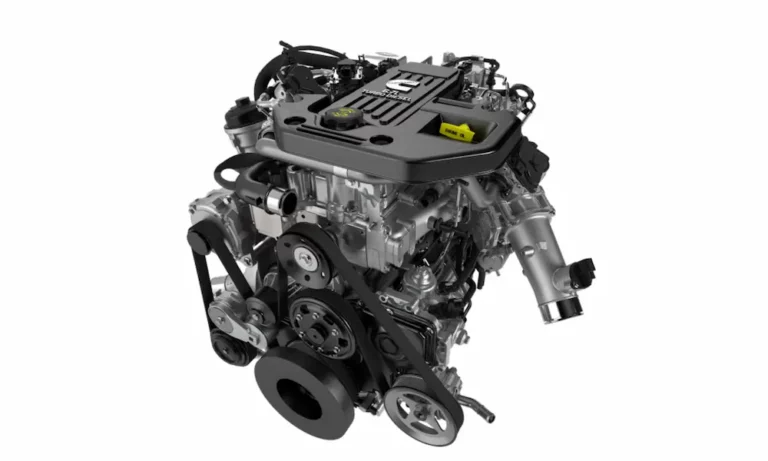
Got a ticking 6.7 Cummins and a knot in your stomach? You’re right to be worried — but you’re also in the right place. This guide breaks down everything about 6.7 Cummins lifter replacement: what fails, why it fails, how to fix it, and how to stop it from happening again. Read through to the end — the last section could save your engine.
Why the 2019+ 6.7 Cummins Has a Lifter Problem
Before 2019, every B-series Cummins used a solid flat tappet design. It was loud, it needed periodic valve lash adjustments, but it was tough as nails.
Then Cummins switched to hydraulic roller lifters for the fifth-gen engine. The goal was quieter operation and zero-lash self-adjustment — no more manual valve adjustments at service intervals. Sounds great on paper.
The problem? The factory hydraulic roller lifters don’t use needle bearings. They use a bushing-style axle with extremely tight tolerances. That design is highly sensitive to oil viscosity, especially during cold starts. When oil doesn’t flow fast enough through those tiny passages, the roller stops spinning and starts skidding across the camshaft lobe.
From there, the damage snowballs fast.
Which Model Years Are Affected?
The hydraulic roller lifter failures affect 2019 through 2024 Ram 2500 and 3500 trucks equipped with the 6.7-liter Cummins. Some trucks have failed before 10,000 miles. Others made it past 100,000 before problems showed up.
No year in this range is immune.
| Engine Generation | Years | Lifter Type | Lifter Problem Risk |
|---|---|---|---|
| 4th Gen 6.7L Cummins | 2007–2018 | Solid Flat Tappet | Low |
| 5th Gen 6.7L Cummins | 2019–2024 | Hydraulic Roller | High |
The Two Main Failure Points
1. The Roller Itself
Without needle bearings, the roller depends entirely on tight tolerances and proper oil flow. Cold weather makes 15W-40 oil too thick to reach those passages quickly. The roller starves for lubrication, overheats, and seizes. Once it seizes, it skids across the cam lobe and chews everything up.
2. The Alignment Dowel Pin
Each lifter has a small steel dowel pin pressed into its body. This pin keeps the roller aligned with the camshaft lobe. If this pin backs out, the lifter rotates inside its bore. A rotated lifter takes a sideways hit from the cam lobe, seizes instantly, and can shatter inside the engine block.
A broken lifter body lodged in the block turns a $3,000 repair into a $25,000–$27,000 engine replacement.
Symptoms of a Failing Lifter
Catch this early and you save the engine. Miss it and you’re shopping for a long block.
The Typewriter Tick
This rhythmic tapping sound — most obvious on cold starts — is the classic warning. If the tick goes away once the engine warms up, the lifter is bleeding down on cold starts. If it stays after warm-up, the roller has likely already seized or developed a flat spot.
Intake Thumping or “Chuffing”
A dull thump through the intake manifold means a valve isn’t opening or closing correctly. That’s a lifter that’s either collapsed or seized, causing the valve to hang partially open during the intake stroke.
Metal in the Oil Filter
Cut open your oil filter at every service if you own a 2019–2024 Cummins. Finding fine metallic glitter — magnetic or not — in the filter media is a definitive sign the valvetrain is eating itself. Don’t wait for more symptoms.
Misfire Codes and Power Loss
The engine’s ECM often catches lifter failures before the driver does. Cylinder-specific misfire codes — especially cylinders 1 or 6 — point directly at a collapsed lifter. Power loss under load follows, because a damaged cam lobe can’t move enough air through the combustion chamber.
| Failure Stage | Symptoms | Engine Condition | What to Do |
|---|---|---|---|
| Early | Cold-start tick, clears when warm | Lifter bleeding down slowly | Switch to 10W-30, monitor closely |
| Intermediate | Persistent tick, intake thumping | Roller seizure starting, cam wear | Immediate teardown to save the block |
| Advanced | Misfire codes, power loss, smoke | Cam lobe flattened, pushrods bent | Potential long block replacement |
| Terminal | Heavy knock, engine stalls | Broken lifter body, dropped valve | Replace engine |
What a 6.7 Cummins Lifter Replacement Actually Involves
This isn’t a Saturday afternoon job. Replacing the lifters on a 6.7 Cummins means removing essentially the entire top end of the engine. In a Ram 2500 or 3500, the engine bay is cramped at the rear. Many techs pull the front clip — bumper, radiator, and intercooler — to get clear access to the camshaft and gear train.
Here’s a simplified overview of what comes off:
- EGR system — crossover tube, EGR cooler, and bypass valve
- Intake manifold and grid heater assembly
- High-pressure fuel rail and injector lines — these must be sealed immediately with plastic caps after removal to prevent contamination
- Injectors — pulled straight out and kept in a numbered rack
- Turbocharger and exhaust manifold — removed as one heavy assembly
- Valve cover, rocker box, pushrods, and rocker arms
- Cylinder head — all 26 head bolts removed in reverse torque sequence
With the head off, it goes to a machine shop for magnaflux crack inspection, deck surface check, and a valve job if needed.
Extracting the Lifters From the Block
This is the most technically demanding part of a 6.7 Cummins lifter replacement. Drop a lifter into the oil pan and you’re adding oil pan removal to your bill.
The Camshaft and Trough Method
Strong magnets hold each lifter at the top of its bore while the camshaft slides out through the front of the block. Once the cam is clear, a specialized trough — machined to the same diameter as the cam — slides into the tunnel. Lifters are lowered into the trough one by one and pulled out through the front. No trough, no margin for error.
Specialty Tools You Actually Need
The 2019+ hydraulic lifters require specific tooling. The service manual isn’t bluffing about this:
| Tool Number | Purpose |
|---|---|
| 2065000090 | Holds hydraulic lifters in place during cam service |
| 2065100090 | Precisely seats new lifters into block bores |
| 8502A (3822513) | Classic lifter remover/installer for pre-2019 engines |
Skipping these tools risks dropping a lifter or installing one cocked in its bore — which restarts the whole failure cycle.
Permanent Fixes: Skip the Stock Lifters
Because the factory hydraulic roller system keeps failing, most serious Cummins owners skip a straight OEM 6.7 Cummins lifter replacement and go with a conversion. Two options dominate.
Option 1: Hamilton Cams Flat Tappet Conversion
The Hamilton Cams kit (part number 07-CC-24V19PLUS) removes the hydraulic roller system entirely and replaces it with:
- A forged steel 178/208 camshaft
- Diamond-Like Carbon (DLC) coated solid tappets
- Heavy-duty pushrods rated for over 3,500 lbs of buckling force
- Adjustable rocker arms with DLC-coated trunnions
DLC coating is nearly as hard as diamond. It dramatically cuts friction and survives in conditions where a standard tappet would fail. Beyond reliability, most owners report better turbo spool, lower EGTs, and improved fuel economy after the conversion.
Option 2: Wagler Solid Spacer Modification
The Wagler Lifter Modification Kit keeps the factory lifter body but replaces the internal hydraulic piston with a solid spacer. This turns a hydraulic roller into a solid roller — eliminating hydraulic collapse while keeping the rolling contact with the cam.
Pair it with upgraded pushrods and adjustable rockers and you’ve got a much more aggressive-tune-friendly setup. It costs less than the Hamilton conversion but still requires proper valve lash adjustment after install.
Reassembly Essentials
Head Gasket and Torque Sequence
Always use a new Multi-Layer Steel (MLS) head gasket. Many techs upgrade to head studs at this stage for more consistent clamping force. The torque sequence matters — always start from center and spiral outward:
- Torque to 90 Nm (66 ft-lbs)
- Re-check torque to 90 Nm (66 ft-lbs)
- Final 90-degree rotation (quarter turn)
Valve Lash Settings
For a Hamilton flat tappet conversion, set lash with the engine at TDC on cylinder 1:
- Intake: 0.010 inch
- Exhaust: 0.020 inch
Adjust intake valves 1, 2, and 4, and exhaust valves 1, 3, and 5 at TDC. Rotate 360 degrees and adjust the remaining valves.
Fuel System Priming
Before you try to start the engine, cycle the key multiple times to prime the high-pressure rail. Watch closely for fuel and coolant leaks on the first start.
The Oil You Run Matters More Than You Think
Ram and Stellantis issued a clear Technical Service Bulletin: 2019 and newer 6.7 Cummins engines must run 10W-30 oil. Running 15W-40 in these engines can void your warranty. The hydraulic lash adjusters’ oil passages are too small for thicker oil to prime quickly on a cold start — that’s what kills the roller.
For flat tappet conversions, switch to high-quality synthetics like Valvoline Premium Blue or Schaeffer 700 Series. Avoid low-zinc economy oils entirely.
| Spec | Requirement | Why It Matters |
|---|---|---|
| Stock engine oil weight | 10W-30 Synthetic | Cold-start flow to hydraulic adjusters |
| Flat tappet conversion oil | Per cam manufacturer spec | Adequate film strength for solid tappet contact |
| Oil change interval | 5,000–7,000 miles | Limits soot and acid buildup in lifter passages |
| Oil filter | Fleetguard LF16035 | Micron-level filtration for contaminated oil |
Don’t Forget the DPF
A failing lifter causes misfires. Misfires send unburned fuel into the exhaust. That clogs — or worse, melts — the Diesel Particulate Filter during uncontrolled regen cycles.
After any 6.7 Cummins lifter replacement, pull the DPF and NAC for inspection. Check the inlet face for cracking, melting, or severe plugging. A plugged DPF puts excessive back-pressure on a freshly repaired engine — not the outcome you want after spending thousands on a fix.
The Takeaway
The 2019–2024 6.7 Cummins lifter problem is real, it’s expensive if ignored, and it’s solvable. Run the right oil, cut open your filter at every service, and listen for that typewriter tick. If you’re already tearing into the top end, seriously consider the Hamilton or Wagler conversion instead of reinstalling the same problematic factory design. Fix it once, fix it right.