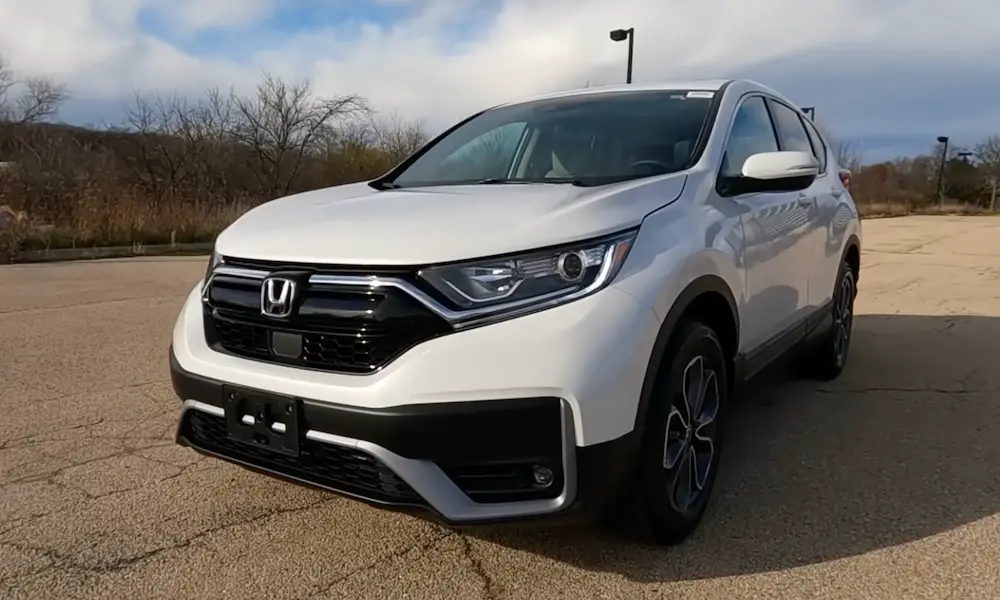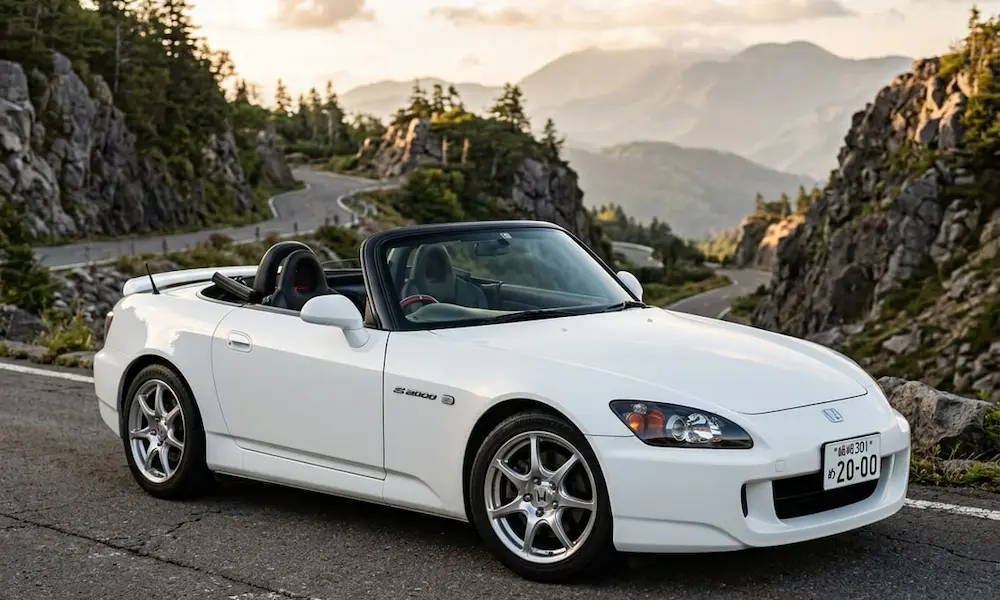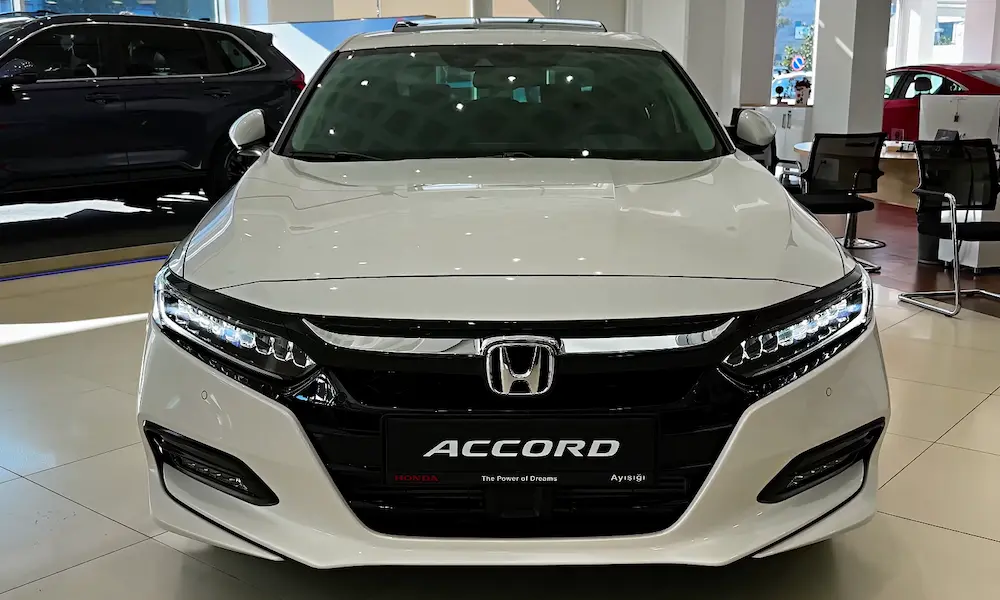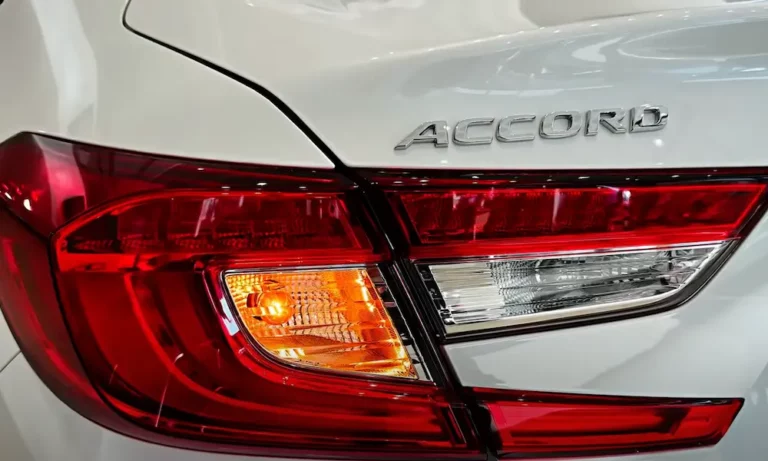
Picking the right Honda Accord year can save you thousands — or cost you dearly. Some years are bulletproof. Others? Wallet-draining nightmares. This guide breaks down the best years for Honda Accord, the ones to avoid, and exactly what to look for before you buy. Stick around — the answer might surprise you.
Why the Honda Accord’s Model Year Actually Matters
Not all Accords are created equal. Honda’s flagship sedan has been around since 1976, and its reliability record swings wildly depending on the year. About 26.5% of Accords have a strong chance of hitting 200,000 miles — well above the industry average. But that stat only applies if you pick the right one.
A well-maintained Accord can last 200,000 to 300,000 miles, spanning 15 to 20 years. The keyword there is well-maintained — and starting with a good model year makes that goal much easier.
The Best Years for Honda Accord at a Glance
Before diving deep, here’s your cheat sheet:
| Buyer Type | Best Year(s) | Why |
|---|---|---|
| Maximum reliability | 2015, 2017 | Fewest complaints, mature powertrain |
| Modern tech + reliability | 2021 | Refined 1.5T, wireless CarPlay standard |
| Budget buy | 2011, 2012 | Solid safety scores, lower price point |
| Performance seeker | 2018–2022 (2.0T) | Robust turbo engine, 10-speed auto |
| Fuel efficiency | 2017 Hybrid, 2021 Hybrid | 47–48 MPG combined, proven reliability |
The 2017 Honda Accord: The Last of a Golden Era
The 2017 Honda Accord sits at the top of nearly every reliability list — and for good reason. It’s the final and most refined year of the ninth generation (2013–2017), and it squeezed out every drop of Honda’s naturally aspirated engineering before turbocharging took over.
What makes it special:
- The 3.5-liter V6 — Honda’s most praised six-cylinder in its class
- Apple CarPlay and Android Auto on higher trims
- Mature CVT with the juddering issues from 2013–2014 long sorted out
- Honda Sensing safety suite standardized on most trims
The ninth generation as a whole focused on reliability and minimal environmental impact, and the 2017 model represents its polished peak. If you want a naturally aspirated engine with zero turbo complexity, this is your car.
One heads-up: V6 models need a timing belt replacement around 100,000 miles. Budget for it — skip it, and you’re looking at engine damage.
The 2015 Honda Accord: The Quiet Overachiever
If 2017 is the crowd favorite, 2015 is the dark horse. The 2015 model year has the fewest reported complaints of the entire ninth generation. No dramatic recalls, no widespread mechanical failures — just a solid, dependable sedan that does its job without fuss.
It doesn’t have wireless CarPlay or the updated exterior styling of the 2016–2017 refresh, but if raw reliability is your priority, the numbers back the 2015 hard.
The 2021 Honda Accord: Best of the Modern Era
For buyers who want a newer, technology-packed Accord without gambling on early-production gremlins, the 2021 is the sweet spot of the tenth generation.
By 2021, Honda had:
- Fixed most of the 1.5-liter turbo oil dilution issues from 2018–2019
- Added standard wireless smartphone integration
- Refined the Honda Sensing suite across all trims
- Earned a 5-star NHTSA overall safety rating
The J.D. Power quality score for the 2021 Accord sits at 80/100, with an 84/100 for driving experience. That’s a strong showing for a four-year-old car you can often find for well under $25,000.
The 2011–2012 Honda Accord: Best Budget Buy
Shopping on a tighter budget? The 2011 and 2012 Accords — the final years of the eighth generation — hit a reliability sweet spot that many buyers overlook.
Honda spent the first few years of that generation (2008–2009) dealing with excessive oil consumption in V6 models and premature brake wear. By 2011, those issues were resolved. These cars earned 5-star NHTSA ratings and offer solid bones for the price.
Just verify one thing first: Check that all Takata airbag recalls have been completed. Eighth generation Accords were heavily affected, and some older vehicles still have outstanding safety work.
Honda Accord Years to Avoid — Seriously
Knowing the best years for Honda Accord means nothing without knowing which ones to skip. Here are the years that’ll drain your bank account faster than you can say “transmission replacement.”
2003: The Worst Year in Accord History
No sugarcoating here — the 2003 Honda Accord is the most problematic year in the model’s entire history. Over 1,700 complaints. More than 2,000 total NHTSA reports. The automatic transmission failed catastrophically on V6 models, often before 100,000 miles.
The root cause? Insufficient fluid flow to second gear, causing heat buildup and gear breakage. Honda issued a massive recall and installed oil jet kits — but for most owners, the damage was already done.
Walk away from a 2003. There’s nothing worth saving there.
1998–2002: The Transmission Trouble Years
The 2003 disaster didn’t come out of nowhere. The late sixth generation (1998–2002) also suffered from widespread automatic transmission failures, particularly in V6 models.
- 2002: 442 out of 1,057 NHTSA complaints were transmission-related
- 2000: Over 1,000 total complaints with very high transmission failure rates
- 1998: 1,239 complaints with 19 recalls on record
Class-action lawsuits led to extended warranties for 2000 and 2001 models. The 2002 was largely excluded despite similar failure rates. These years are a hard pass.
2008: The Rocky Start to Gen Eight
The 2008 Accord launched a new generation but stumbled out of the gate. V6 models burned through oil, brake pads wore out at 20,000 miles (way too soon), and seat comfort complaints piled up. Repair costs added up fast.
2018–2019 (1.5T): Watch the Head Gaskets
The tenth generation brought exciting changes, but the 1.5-liter turbo engine in the 2018 and 2019 models came with baggage. Reports of oil dilution — where gasoline seeps into engine oil during short cold-weather trips — were common in early models. Software updates helped, but head gasket failures between 60,000 and 100,000 miles have emerged as a real concern.
Signs to watch for:
- Engine misfires
- Coolant loss without visible leaks
- White smoke from the exhaust
Head gasket repairs on these engines often run several thousand dollars in labor alone. If you’re buying a 2018–2019 with the 1.5T, get a full inspection first.
Quick Avoid Reference
| Model Year | Primary Failure | Avg. Mileage at Failure | Est. Repair Cost |
|---|---|---|---|
| 2002 | Transmission failure | 90,000 | $3,000 |
| 2003 | Transmission failure | 98,000 | $3,000+ |
| 2008 | Excessive oil consumption | 80,000 | $1,200 |
| 2008 | Premature brake wear | 20,000 | $250 |
| 2018–2019 | 1.5T head gasket | 60,000–100,000 | $2,500+ |
The 2.0T Argument: A Hidden Gem in Gen Ten
Here’s something most buyers miss: within the tenth generation (2018–2022), there are actually two very different reliability stories.
The 1.5-liter turbo has the head gasket concerns mentioned above. But the 2.0-liter turbocharged engine is a different animal entirely. It shares its block with higher-performance Honda models, which means it’s built tougher from the start. Fewer catastrophic failures, more robust internals, and a satisfying driving experience through a 10-speed automatic transmission.
If you’re buying a tenth-gen Accord and want performance with better long-term odds, go 2.0T every time.
What About the 2023–2025 Accord?
The eleventh generation earns top safety scores and leads the class in hybrid technology. Over 250,000 hybrid models were recalled for a software glitch that could cause sudden power loss while driving — the fix is a free dealer update, but it’s worth knowing about.
There’s also a known vulnerability: the Power Control Unit radiator sits low in the front bumper, exposed to road debris. A rock strike can puncture it and trigger a complete drivetrain shutdown. Manufacturers typically don’t cover this under warranty since it’s classified as environmental damage — though insurance sometimes does. Some owners install aftermarket mesh guards as a precaution.
The 2023–2025 Accords are great cars with strong resale value — J.D. Power gives the 2024 an 88/100 for resale — but go in with eyes open about these early quirks.
Hybrid vs. Gas: Which Accord Powertrain Lasts Longer?
This debate comes up constantly. Here’s the honest answer: the Accord Hybrid is mechanically simpler than you’d expect.
Honda’s eCVT system uses two electric motors instead of traditional belts and pulleys, eliminating a common failure point. The hybrid battery is designed to last 100,000 to 150,000 miles under normal conditions — though extreme heat accelerates cell degradation, so desert dwellers should park in the shade when possible.
Fuel economy comparison — Gen 9 vs. Gen 10:
| Year | Engine | City | Highway | Combined |
|---|---|---|---|---|
| 2017 | 2.4L I4 (CVT) | 27 | 36 | 30 |
| 2017 | 3.5L V6 | 21 | 33 | 25 |
| 2018 | 1.5L Turbo | 30 | 38 | 33 |
| 2018 | 2.0L Turbo | 23 | 32 | 26 |
| 2021 | 2.0L Hybrid | 48 | 48 | 48 |
| 2024 | 2.0L Hybrid | 48 | 47 | 47 |
The 2021 hybrid hitting 48 MPG combined is genuinely impressive for a midsize sedan. If fuel costs matter to you — and they should — the hybrid delivers.
Safety Across the Generations
The Accord has been a consistent safety leader. Here’s how ratings have evolved:
| Model Year | NHTSA Overall | IIHS Designation | Standard Active Safety |
|---|---|---|---|
| 2013 | 5 Stars | Top Safety Pick | Backup camera |
| 2016 | 5 Stars | Top Safety Pick+ | Optional Honda Sensing |
| 2018 | 5 Stars | Top Safety Pick | Optional Honda Sensing |
| 2021 | 5 Stars | Top Safety Pick+ | Standard Honda Sensing |
| 2024 | 5 Stars | Top Safety Pick+ | Standard Honda Sensing |
Honda Sensing — which includes Collision Mitigation Braking, Road Departure Mitigation, and Adaptive Cruise Control — became standard across all trims by 2019. That’s a meaningful upgrade over earlier models where it was a pricey add-on.
How to Keep Any Accord Running Past 200,000 Miles
Picking the right year is step one. Maintaining it properly is step two. Here’s what matters most by powertrain:
V6 models (2013–2017):
- Replace the timing belt and water pump at 100,000 miles — skip this and you risk catastrophic engine failure
- Consider disabling the Variable Cylinder Management (VCM) system to reduce oil consumption and spark plug wear
1.5T turbo models:
- Use full synthetic oil only
- Check coolant levels regularly for early signs of head gasket issues
- Change oil more frequently than the Maintenance Minder suggests, especially in cold climates
Hybrid models:
- Park in the shade when possible to preserve battery health
- Use regenerative braking consistently — it extends battery life
- Maintain the hybrid cooling system at every service interval
CVT models (all years):
- Change transmission fluid every 30,000–50,000 miles to avoid the juddering issue reported in early ninth-gen CVTs
Annual maintenance costs for an Accord run around $428 per year — below the midsize segment average. Keep up with the basics, and the Accord rewards you handsomely.
Final Verdict: Which Year Should You Actually Buy?
The best years for Honda Accord depend on what you’re after — but the data points clearly in a few directions:
- Want the most reliable used Accord? Buy a 2017 (V6 if possible) or a 2015.
- Want modern tech without the risk of early production issues? Buy a 2021.
- Shopping on a budget? Find a clean 2011 or 2012 with verified airbag recall completion.
- Want performance? Go 2018–2022 with the 2.0T engine.
- Want maximum fuel savings? The 2021 Hybrid at 48 MPG combined is hard to beat.
And whatever year you choose — run the VIN through NHTSA’s recall database before you sign anything. Outstanding recalls are more common than most buyers expect, and some are genuine safety hazards. That five-minute check could save you a serious headache down the road.