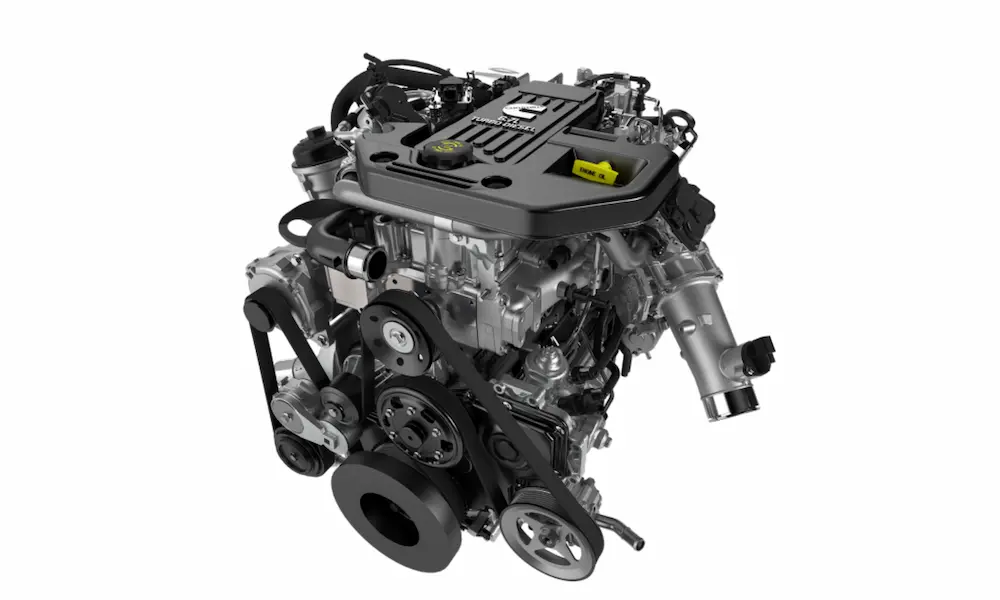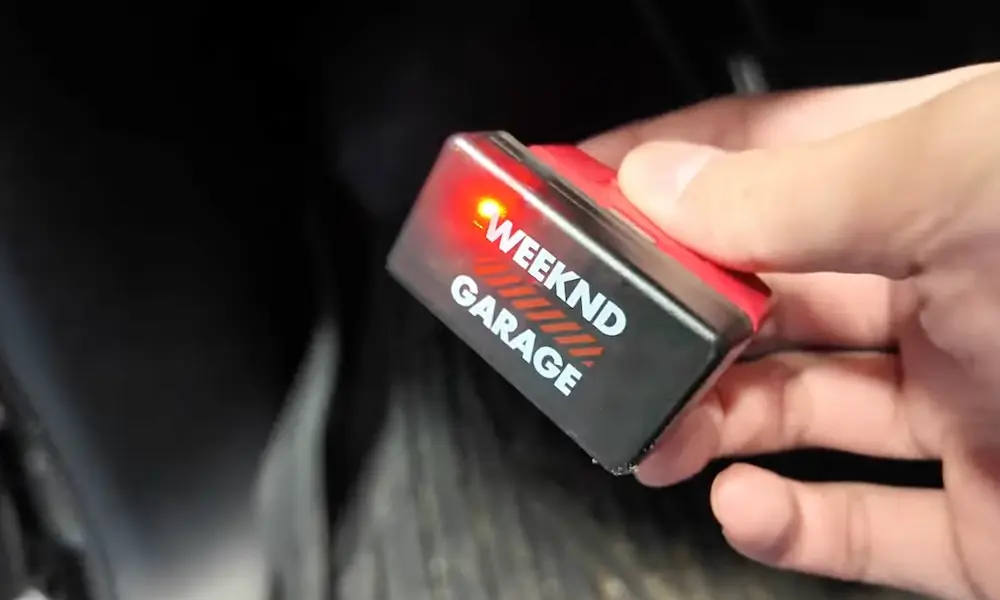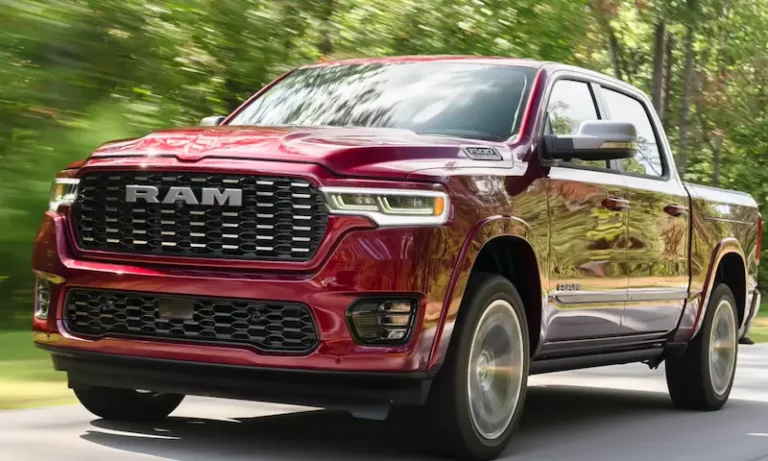
Your Dodge is shaking, the check engine light is on, and your scanner just pulled a P0300 code. That “random misfire” label sounds vague — and it is. But the fix doesn’t have to be a mystery. This guide breaks down every real cause, from worn spark plugs to engine-specific failures, so you stop throwing parts at the problem and actually solve it.
What the Dodge P0300 Code Actually Means
The P0300 code means your engine’s computer detected misfires across multiple cylinders — or that misfires are jumping around unpredictably. It’s different from a code like P0304, which points to one specific cylinder.
Your powertrain control module (PCM) watches the crankshaft spin through the crankshaft position sensor. Every successful combustion event gives the crankshaft a tiny speed boost. When that boost doesn’t happen, the PCM logs a misfire. When those events spread across the whole engine, it sets P0300.
Here’s how P0300 compares to cylinder-specific codes:
| Misfire Code | Meaning | Likely Cause |
|---|---|---|
| P0300 | Random/Multiple Cylinders | Fuel pressure, vacuum leaks, sensors |
| P0301–P0308 | Single Cylinder Misfire | Specific plug, coil, or injector |
One critical warning: If your check engine light flashes instead of staying solid, pull over. A flashing light means the misfire is severe enough to destroy your catalytic converters within seconds. That’s a $1,000+ repair on top of whatever caused the misfire.
The 5 Most Common Causes of P0300 in Dodge Vehicles
1. Worn Spark Plugs and Ignition Coils
Ignition problems cause roughly 40% of all P0300 cases in Dodge vehicles. Modern Hemi and Pentastar engines use a coil-on-plug design — one coil per cylinder. That means one failing coil can trigger a single-cylinder code, but multiple worn plugs will trigger P0300 fast.
As spark plug electrodes wear down, the gap widens. The coil has to work harder to bridge it. Eventually, it can’t — especially under heavy load or high RPM. A healthy plug should have a light brownish color and a sharp electrode tip. White deposits mean lean. Black carbon means rich. Coolant on the tips? That’s a head gasket problem.
Here’s what repairs typically cost:
| Component | Parts Cost | Labor Cost | Total Estimate |
|---|---|---|---|
| Ignition Coil (Single) | $51–$63 | $78–$114 | $128–$177 |
| Spark Plug Set (V6) | $60–$100 | $120–$180 | $180–$280 |
| Spark Plug Set (V8) | $80–$150 | $160–$240 | $240–$390 |
Pro tip: Swap a suspected coil to a different cylinder. If the misfire follows the part, you found your problem.
2. Fuel Delivery Problems
Your fuel system feeds every cylinder. A weak fuel pump, clogged filter, or bad pressure regulator starves them all at once — which is exactly what P0300 looks like.
When fuel pressure drops, the mixture goes lean. Lean mixtures are harder to ignite and burn more slowly, causing misfires across the board. Dodge vehicles also use injectors that can clog over time, especially with low-quality fuel or high ethanol content.
| Diagnostic Test | Healthy Range | Red Flag |
|---|---|---|
| Fuel Pressure | 45–60 PSI | Drop under load |
| Short-Term Fuel Trim | -10% to +10% | Air/fuel imbalance |
| Long-Term Fuel Trim | -10% to +10% | Sustained compensation |
| Injector Resistance | 10–15 Ohms | Internal solenoid failure |
Use a fuel pressure gauge before replacing the pump. It’s a $20 test that can save you $400.
3. MAP Sensor and Vacuum Leaks
Most Dodge and Chrysler vehicles don’t use a mass airflow sensor. They use a Manifold Absolute Pressure (MAP) sensor instead. This sensor measures vacuum in the intake manifold, and the PCM uses that data to calculate fuel delivery.
A bad MAP sensor throws those fuel calculations off completely. If it reads too high, the engine runs rich. Too low, and it runs lean. Either way, you get misfires. At idle, the MAP sensor signal should stay between 1–2 volts and fluctuate smoothly as you rev the engine.
Vacuum leaks cause the same chaos. Any unmetered air entering the engine bypasses the throttle body and confuses the PCM. Common leak spots:
- Cracked intake manifold gaskets
- Damaged vacuum hoses
- A worn PCV valve
Run a smoke test if you suspect a leak. It’s one of the most reliable ways to find unmetered air entering the engine.
4. Pentastar 3.6L Rocker Arm Failures
If your Dodge Charger, Challenger, Durango, or Ram 1500 has the 3.6L Pentastar V6, listen carefully. A ticking noise at startup is the early warning sign of a well-documented rocker arm bearing failure — and it leads straight to P0300.
The Pentastar uses roller rocker arms with small needle bearings. These bearings wear out, especially without regular oil changes. When a rocker arm fails, the valve it controls won’t open correctly. Combustion suffers. If multiple rockers fail — and the engine has 24 of them — the PCM sees misfires everywhere.
Ignore the tick long enough and the rocker arm grinds into the camshaft lobe. Now you’re looking at a much bigger repair:
| Service | Independent Shop | Dealership |
|---|---|---|
| Single Rocker Arm | $400–$700 | $800–$1,200 |
| Full Rocker/Lifter Set (24) | $1,500–$2,500 | $3,000–$4,500 |
| Complete Top-End Refresh | $3,500–$5,000 | $6,000–$8,500 |
Don’t wait on this one. Early rocker replacement is always cheaper than a camshaft.
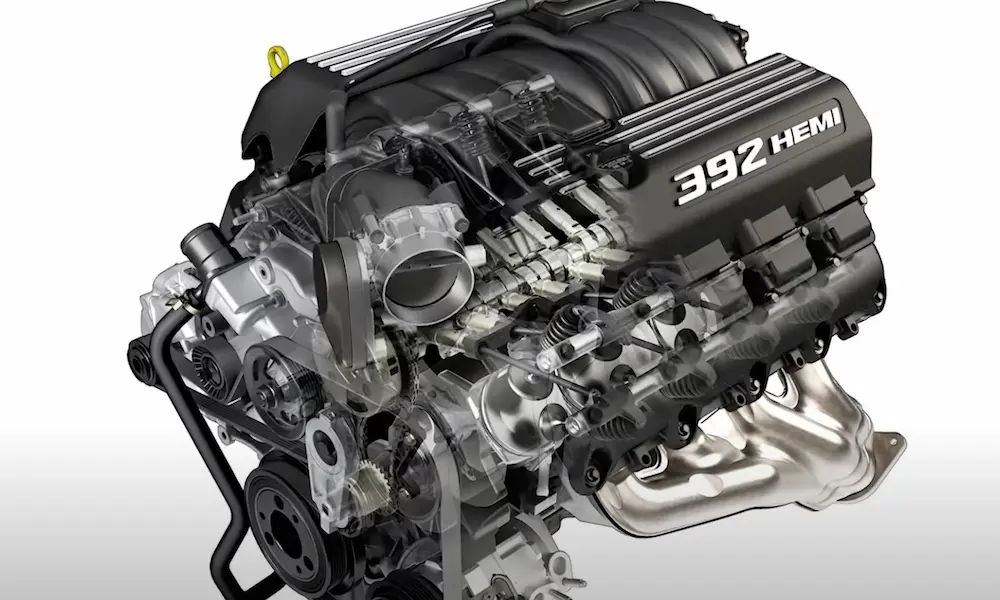
5. Hemi 5.7L MDS Lifter Failures
The 5.7L Hemi’s Multi-Displacement System (MDS) deactivates four cylinders during light cruising to save fuel. It’s clever engineering — until the special lifters it relies on start failing.
There’s a documented design concern with how Hemi lifters receive lubrication at low speeds. The MDS solenoids that control them also have tiny oil passages that clog with sludge if oil changes get skipped. A stuck lifter means a dead cylinder, and the PCM flags it as a random misfire.
Some 2023 Ram 1500 models also set P0300, P0301, P0304, P0306, or P0307 due to PCM software sensitivities in the cylinder deactivation circuits. In those cases, a PCM software update fixes it without touching any hardware.
Model-Specific Issues Worth Knowing
Dodge Durango: The Cowl Water Leak Problem
This one catches a lot of owners off guard. The plastic windshield cowl on Durango and Dakota models can warp over time. During rain or a car wash, water drips straight onto the engine.
Because of how the intake manifold sits, that water pools in the spark plug well of cylinder 6. The moisture arcs the ignition coil’s energy through the water instead of through the spark plug. Result: persistent cylinder 6 misfire that eventually triggers P0300. The fix is replacing the cowl with an upgraded part or resealing it with silicone.
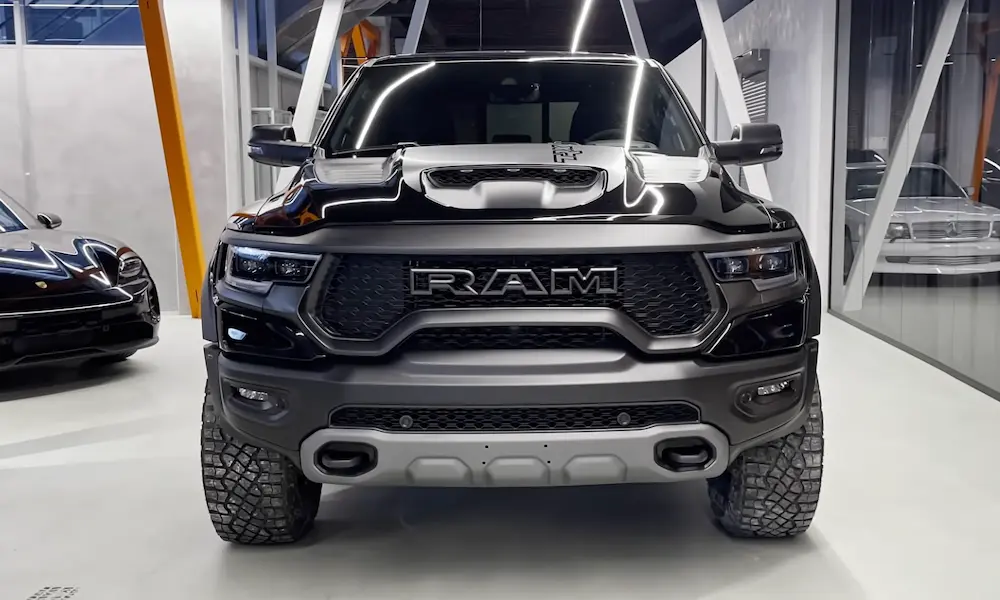
2025 Ram 1500 Hurricane 3.0L I6: Early Issues
The new Hurricane twin-turbo inline-six has brought fresh P0300 headaches. Two main problems have appeared:
- Disconnected purge lines in the EVAP system create a significant vacuum leak
- Ignition System Control Module (ISCM) software bugs — TSB 08-055-25 specifically identifies that original ISCM software sets false misfire codes for all six cylinders
The 2025 Ram P0300 issue has generated enough NHTSA complaints that some owners are pursuing lemon law claims. If you bought a 2025 Ram and it’s misfiring from day one, document every repair visit carefully.
| Model | Engine | Primary P0300 Cause | Fix |
|---|---|---|---|
| Ram 1500 (2025) | 3.0L I6 Hurricane | Purge line / Software | ISCM Flash (TSB 08-055-25) |
| Durango (Pre-2020) | 3.6L / 5.7L | Cowl water leak (Cyl. 6) | Upgraded windshield cowl |
| Charger/Challenger | 3.6L Pentastar | Rocker arm bearing failure | Rocker and lifter replacement |
| Ram 1500 (2023) | 5.7L Hemi | MDS / Lifter failure | TSB 18-067-24 PCM update |
How a Technician Actually Diagnoses Dodge P0300
Skip the parts cannon. Here’s the systematic approach that actually works:
Step 1 — Pull all codes and freeze frame data. The freeze frame shows engine speed, coolant temp, and fuel trims at the exact moment the misfire happened. That context is gold.
Step 2 — Check Mode 6 data. Mode 6 shows misfire counters for every cylinder, even if they haven’t triggered their own codes. If cylinder 4 shows 500 misfires and the others show 5, you know where to start.
Step 3 — Analyze fuel trims. Highly positive short-term trims mean lean — look for vacuum leaks or low fuel pressure. Negative trims mean rich — suspect a leaking injector or restricted intake.
Step 4 — Test the ignition system. Swap coils between cylinders and see if the misfire follows the part. Check spark plug condition and gap.
Step 5 — Run a compression test. Low compression points to internal mechanical damage — blown head gasket, burnt valve, worn rings. Follow up with a leak-down test to pinpoint where the air escapes.
| Test | Component | Pass | Fail |
|---|---|---|---|
| Voltage Test | MAP Sensor | 5V reference present | No voltage or erratic signal |
| Resistance Test | Ignition Coil | Per manufacturer spec | Open circuit |
| Pressure Test | Fuel Pump | Steady 45–60 PSI | Drops under load |
| Smoke Test | Intake Manifold | No visible smoke | Smoke at gaskets/hoses |
Don’t Forget the Cam/Crank Relearn
If you replaced the crankshaft position sensor, camshaft sensor, or the PCM itself, you must perform a cam/crank variation relearn procedure. Without it, the PCM can misinterpret normal engine vibrations as misfires.
This requires a professional scan tool. The procedure involves bringing the engine to operating temperature and performing a controlled rev sequence while the PCM recalibrates. It’s quick — but you can’t skip it.
What Happens If You Ignore the P0300 Code
Ignoring it isn’t just risky — it’s expensive. Here’s the chain reaction:
- Misfiring cylinders push unburned fuel and excess oxygen into the exhaust
- The oxygen sensor reads lean and tells the PCM to dump more fuel
- That extra fuel hits the catalytic converter and ignites on its surface
- The converter overheats, its ceramic core melts, and it clogs
- A clogged converter creates back pressure — which causes more misfires
Replacing one catalytic converter on a Dodge Ram or Charger routinely costs over $1,000 per side. Early diagnosis of P0300 is the only way to avoid that bill.
What Regular Maintenance Actually Prevents P0300
You don’t need to be a mechanic to keep P0300 away. Follow these basics:
- Replace spark plugs on schedule. Most modern plugs are rated for 100,000 miles, but towing or performance driving demands replacement every 30,000–50,000 miles
- Use quality synthetic oil and change it regularly. This is the single biggest factor in preventing Pentastar rocker arm and Hemi lifter failures
- Add a fuel injector cleaner occasionally. It keeps injector tips clean and maintains proper spray patterns
- Inspect vacuum hoses and the windshield cowl seal at every oil change — especially on Durango owners
The check engine light is your engine asking for help. When it shows P0300, the question isn’t whether to act — it’s how fast.