Got a check engine light and a scanner showing Dodge P0740? You’re dealing with a torque converter clutch problem — and it can range from a $50 solenoid fix to a $7,000 transmission rebuild. This guide breaks down exactly what’s happening inside your transmission, what symptoms to watch for, and how to avoid the most expensive mistakes.
What Is the Dodge P0740 Code?
The P0740 code means your vehicle’s powertrain control module detected a “Torque Converter Clutch Circuit Malfunction.” In plain English, the system either can’t engage the torque converter clutch (TCC) or can’t confirm that it’s actually working.
Here’s the thing — P0740 isn’t always an electrical fault. In most high-mileage Dodge vehicles, the code fires because the clutch is slipping, not because a wire broke. The PCM commands a full lockup, the sensors report that the engine and transmission input shaft are still spinning at different speeds, and the code sets.
That distinction — electrical failure vs. performance failure — completely changes how you fix it.
How the Torque Converter Clutch Works
Think of your torque converter like a fluid-filled donut sitting between the engine and transmission. At low speeds, fluid transfers power from the engine to the transmission. That’s flexible and smooth, but it wastes energy.
Once you hit highway speeds, the TCC locks the two sides together mechanically — essentially creating a direct, one-to-one connection like a manual clutch. This saves fuel and reduces heat.
The TCC solenoid controls the hydraulic pressure that applies this lockup clutch. The PCM pulses the solenoid using pulse width modulation (PWM), starting at 0% (fully released) and ramping up to 100% (fully locked).
If the system commands 100% duty cycle but the engine speed doesn’t drop to within 50 RPM of the transmission input shaft speed, Dodge P0740 gets stored.
Dodge P0740 Trigger Conditions by Transmission
Not all Dodge transmissions set P0740 the same way. Here’s how the two most common platforms handle it:
42RLE and 45RFE (standard approach): The code sets when slip speed exceeds 200 RPM while the TCC is commanded to full lockup. This only happens when the fluid is at operating temperature and the vehicle is cruising above 45 mph.
62TE (six-speed front-wheel-drive): The 62TE uses stricter criteria — it needs to see 10 consecutive seconds of non-compliance across three separate events before it sets the code. This prevents false positives, but it also means the problem is real and repeatable by the time the light comes on.
| Trigger Parameter | Value / Condition | What It Means |
|---|---|---|
| Slip Threshold | > 200 RPM | Clutch has totally failed to lock |
| Healthy Slip Target | < 50 RPM | Fully locked and working correctly |
| Duty Cycle Limit | > 85% with no lock | PCM is maxing out pressure — nothing’s happening |
| Speed Requirement | > 45 mph | Lockup is disabled in city traffic |
| Duration (62TE) | 10 seconds × 3 trips | Persistent failure, not a fluke |
Symptoms of Dodge P0740 You’ll Actually Notice
The symptoms vary depending on how the clutch is failing. Here’s what to look for:
High RPM at highway speed: If your tach reads 500–800 RPM higher than normal at 65 mph, the TCC isn’t locking. The engine works harder to maintain speed without the mechanical advantage of lockup. Fuel economy drops noticeably.
Shudder between 35–55 mph: This is the most common complaint. It feels exactly like driving over rumble strips on the shoulder of the road. This happens when hydraulic pressure is borderline — just enough to engage, not enough to hold. The friction material chatters against the pressure plate.
Engine stalling at stops: If the TCC solenoid sticks in the “on” position, the clutch stays locked as you slow down. The engine stalls because it can’t decouple from the drivetrain — same as stopping a manual car while still in gear. This is a safety issue.
Burning smell: A slipping TCC generates enormous heat. Fluid temperatures can exceed 250°F during extended highway driving without lockup, which degrades the fluid and hardens rubber seals.
Harsh downshifts or clunking: A delayed solenoid response causes the clutch to disengage at the last second. You’ll feel it as a clunk when stopping or a hard shift on deceleration.
| Symptom | Root Cause | Risk Level |
|---|---|---|
| High RPM at 65 mph | TCC not engaging | Moderate — fuel and heat |
| Shudder at 40 mph | Partial friction material slip | High — mechanical wear |
| Stalling at stops | TCC stuck on | Critical — safety hazard |
| Burning smell | Fluid overheating from constant slip | Critical — total failure risk |
| Harsh downshifts | Solenoid response lag | Moderate — drivability |
The Most Common Causes of Dodge P0740
Bad or Contaminated Transmission Fluid
Check the fluid first — always. If it’s low, the pump can suck air, which causes hydraulic pressure to foam and drop. If it’s dark brown or smells burnt, the fluid has broken down and can no longer apply consistent pressure to the clutch piston.
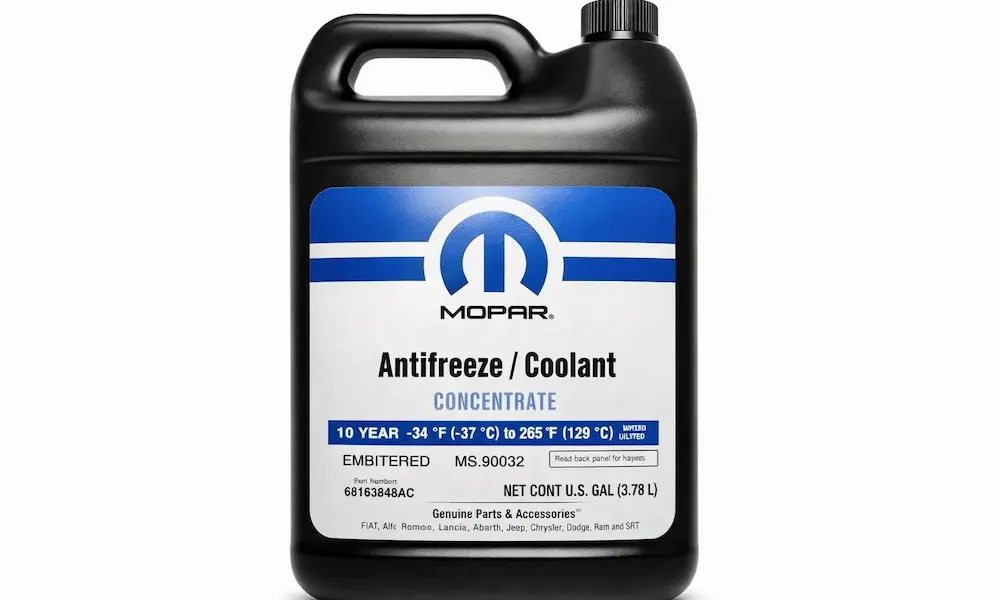
Most Dodge transmissions from the late 1990s onward require Mopar ATF+4. Using a generic multi-vehicle fluid strips out the friction modifiers that allow smooth TCC engagement. This can cause shudder and a P0740 code even in a perfectly healthy transmission.
Failed TCC Solenoid
The solenoid is an electromagnet that opens and closes a hydraulic valve. If the coil burns out or the solenoid body corrodes, the PCM detects an open circuit and sets P0740 immediately — often before you even hit the highway.
A healthy solenoid should click audibly when you command it on with a scan tool (engine off, key on). No click? It’s electrically dead or physically seized.
Resistance specs matter here. Out-of-spec resistance means the solenoid can’t respond accurately to the PCM’s commands:
| Transmission | Solenoid | Resistance |
|---|---|---|
| 41TE / 42RLE | L/R-TCC Solenoid | 1.5–2.5 Ohms |
| 62TE | TCC Variable Force Solenoid | 0.5–2.0 Ohms |
| 45RFE / 545RFE | TCC/Low-Reverse | 1.3 Ohms |
| 46RE / 47RE | Lockup Solenoid | 31–34 Ohms |
Solenoid Switch Valve (SSV) Failure
This is a frequently missed culprit in 41TE, 42RLE, and 62TE transmissions. The SSV sits in the valve body and routes hydraulic pressure between the low/reverse circuit and the TCC circuit. Over time, the valve wears the aluminum bore it slides in, and pressure leaks past it.
The result? The solenoid tests perfectly on a multimeter. The fluid looks fine. But the clutch still won’t hold — because the hydraulic pressure is escaping before it reaches the clutch piston.
Important: Don’t replace the solenoid assembly for a P1776 code — that’s the companion code for a stuck SSV. The problem is in the valve body casting, not the solenoid.
Internal Mechanical Wear — Especially in the 62TE
The 62TE’s “underdrive compounder” assembly can fail internally and release metal debris into the fluid long before you notice a performance problem. That metal flows to the TCC variable force solenoid and plugs it.
In these vehicles, P0740 is a warning sign that the transmission may be destroying itself internally. Replacing the solenoid without inspecting the fluid for metal contamination is one of the most expensive diagnostic mistakes a shop can make.
Outdated PCM/TCM Software
Sometimes there’s no hardware failure at all. Dodge regularly releases software updates that adjust slip-monitoring sensitivity and solenoid modulation strategies. Technical Service Bulletin 21-002-07 specifically addresses torque converter shudder in 2007 Dodge models with 42RLE and 62TE transmissions — the fix is a software flash, not a parts replacement.
Always check the module’s flash status before recommending mechanical repairs.
RFE Solenoid Pack Generations — Don’t Install the Wrong One
If you’re working on a Ram truck with a 45RFE or 545RFE, you need to know which solenoid pack generation your truck uses. Installing the wrong generation will immediately trigger Dodge P0740 and other codes.
- Black connector (1999): First-gen, mostly gone from the road
- White connector (2000–2009): Highly reliable, still the standard for many vehicles
- Gray connector (2010–2018): Eliminated one solenoid and two check balls — not backward compatible
- Blue connector (2019–present): Added a sixth solenoid and a standalone external TCC solenoid on the valve body
How to Diagnose Dodge P0740 Step by Step
Don’t just throw parts at this code. Follow this sequence:
- Check fluid level and condition. Dark, metallic, or burnt fluid changes everything about your repair approach.
- Measure solenoid resistance at the transmission harness connector using a digital multimeter. Compare to specs above. High resistance (above 5 ohms on a 1.3-ohm circuit) means a bad wire or corroded connector.
- Command the solenoid on with a scan tool (engine off). Listen for a click from inside the transmission pan. No click means electrical failure or a seized solenoid.
- Road test with a graphing scanner. Watch TCC Slip Speed and TCC Duty Cycle simultaneously. If duty cycle hits 100% but slip speed stays above 50 RPM, the problem is mechanical — inside the converter or valve body.
- Check for software updates at your dealer or using an authorized scan tool before recommending any mechanical work.
What Fixing Dodge P0740 Actually Costs
The price range is wide because the root cause matters enormously.
| Repair | Part Cost | Labor | Total Estimate |
|---|---|---|---|
| TCC Solenoid Only | $50–$150 | 2–4 hrs | $300–$600 |
| Solenoid Pack (RFE) | $250–$400 | 3–5 hrs | $600–$1,000 |
| Valve Body Assembly | $400–$700 | 3–5 hrs | $800–$1,400 |
| Torque Converter | $200–$600 | 6–10 hrs | $1,200–$2,200 |
| Full Transmission Rebuild | $2,500–$4,000 | 10–15 hrs | $4,000–$7,000 |
Catching P0740 early — before metal contaminates the system — is the difference between a $400 solenoid job and a $5,000 rebuild.
How to Prevent Dodge P0740 From Coming Back
Prevention is simple and cheap compared to the repairs above.
Change the fluid every 30,000–60,000 miles. Transmission specialists recommend this interval for any vehicle doing towing or city stop-and-go driving, regardless of what the owner’s manual says. Fresh fluid removes metal particles before they can clog solenoid ports.
Always use Mopar ATF+4. This full-synthetic fluid contains specific friction modifiers that let the TCC clutch engage smoothly. Generic fluid skips these additives and causes the exact shudder that triggers P0740.
Add an auxiliary transmission cooler if you tow. Heat is the primary killer of TCC friction material. An external cooler keeps fluid temperatures in a safe range and extends the life of every internal seal and clutch pack.
Avoid aggressive launches from a stop. Repeated hard acceleration forces the torque converter to cycle rapidly through its stall speed, generating intense heat in a short time. Easy acceleration and steady highway cruising are the best things you can do for your transmission’s long-term health.