Wondering what kind of fuel economy you can actually get from that Cummins-powered Ram 2500? If you’re shopping for a heavy-duty diesel truck or looking to improve your current rig’s efficiency, you’ve probably noticed there’s no EPA sticker to guide you. Don’t worry – I’ve gathered real-world data from thousands of owners and professional tests to give you the complete picture. By the end of this post, you’ll know exactly what mileage to expect and how to squeeze more miles from every gallon.
Why Ram 2500 Diesel Trucks Have No EPA Fuel Economy Ratings
Ever noticed there’s no official mpg sticker on heavy-duty trucks? That’s not an oversight. The Ram 2500 and all its heavy-duty competitors exceed the 8,500-pound GVWR threshold that triggers EPA fuel economy testing requirements. These trucks fall into commercial vehicle classification, leaving buyers without standardized efficiency ratings.
This regulatory gap means you’ll need to rely on two main sources for accurate fuel economy information:
- Professional third-party testing with controlled methodology
- Real-world owner reports compiled from thousands of actual users
Thankfully, both sources provide remarkably consistent results that paint a clear picture of what to expect.
Real-World Fuel Economy Numbers for the Ram 2500 Diesel
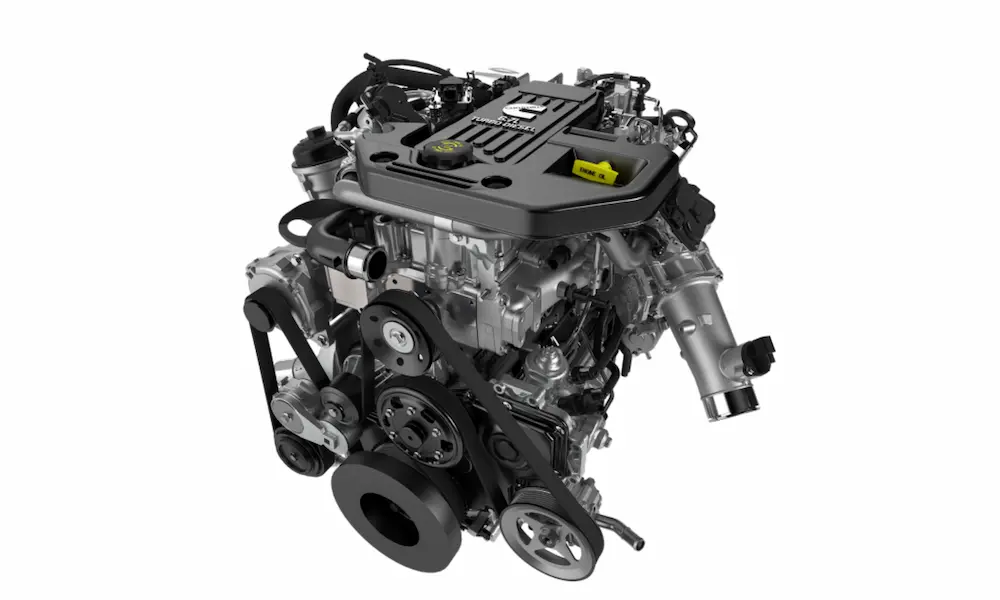
The Cummins-powered Ram 2500 delivers predictable fuel economy that varies based on how you use it. Here’s what the data shows across different driving scenarios:
Highway Cruising (Unloaded)
When driving solo on open highways without cargo, Ram 2500 Cummins owners consistently report:
- 18-20 mpg at steady 65-70 mph speeds
- Up to 21-22 mpg possible with perfect conditions and careful driving
- 17-18 mpg for newer models with additional emissions equipment
Car and Driver’s controlled 75-mph highway loop showed this gradual decline in efficiency across model years:
- 2018 Limited Crew Cab: 20 mpg
- 2019 Tradesman Regular Cab: 19 mpg
- 2024 Crew Cab Rebel: 18 mpg
These figures represent the best-case scenario for your truck when driving at highway speeds without cargo or aggressive modifications.
Mixed Suburban Driving
Daily driving with a mix of stop-and-go traffic and short highway stretches yields:
- 14-17 mpg for stock trucks
- 12-15 mpg for lifted trucks with larger tires
As with any vehicle, frequent stops, cold starts, and variable speeds significantly impact fuel economy. The Cummins engine’s efficiency advantage becomes less pronounced in these conditions, but still outperforms gasoline alternatives.
City-Only Driving
Pure city driving represents the Cummins engine’s least efficient operating environment:
- 10-13 mpg in dense urban environments
- 12-14 mpg in lighter city traffic with fewer stops
The heavy curb weight (over 7,000 pounds) and turbo lag at low speeds contribute to reduced efficiency in stop-and-go situations.
Towing Performance
When putting that Cummins to work, expect these figures when towing:
- 10-12 mpg when pulling 10,000+ lb trailers at highway speeds
- 12-14 mpg with lighter trailers under 8,000 lbs
- 8-10 mpg in mountainous terrain with heavy loads
Towing is where the diesel’s torque advantage truly shines compared to gasoline alternatives, often delivering 3-5 mpg better economy than a comparable gas engine under load.
Diesel vs. Gasoline: The Efficiency Gap
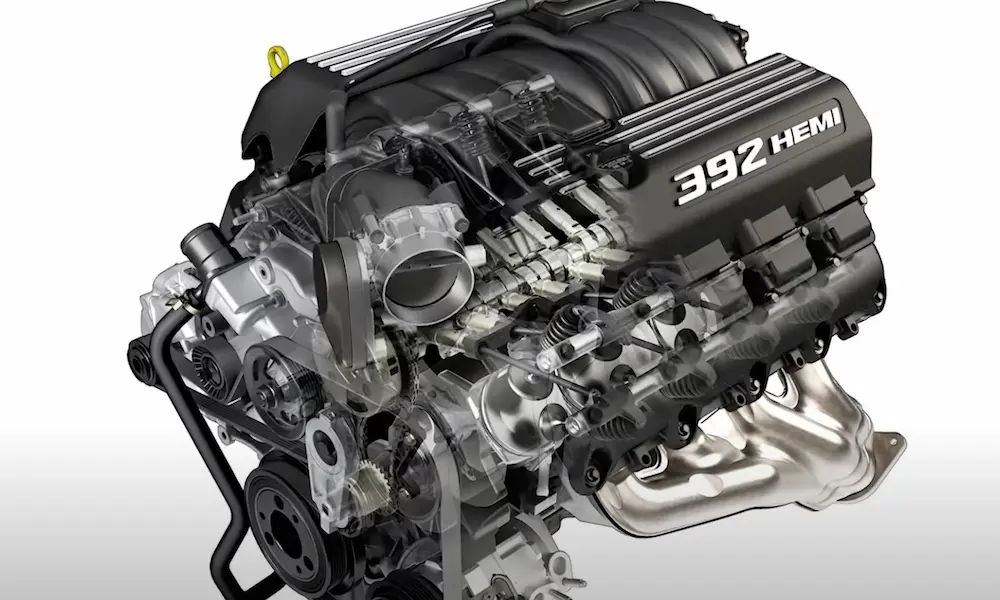
The 6.7L Cummins consistently outperforms the 6.4L HEMI gasoline V8 in fuel economy across all driving conditions. Owner cost analyses and professional testing reveal:
- 3-5 mpg advantage for the diesel in identical driving conditions
- Approximately 20% better fuel efficiency overall
- Maintained efficiency advantage even after accounting for DEF consumption
Car and Driver’s testing confirms this pattern across brands, with diesel heavy-duty trucks averaging 18 mpg highway versus 15 mpg for gasoline counterparts.
Key Factors That Impact Ram 2500 Diesel Fuel Economy
Your actual mileage will depend on several variables. Understanding these factors helps set realistic expectations and identify improvement opportunities.
1. Axle Ratio’s Critical Role
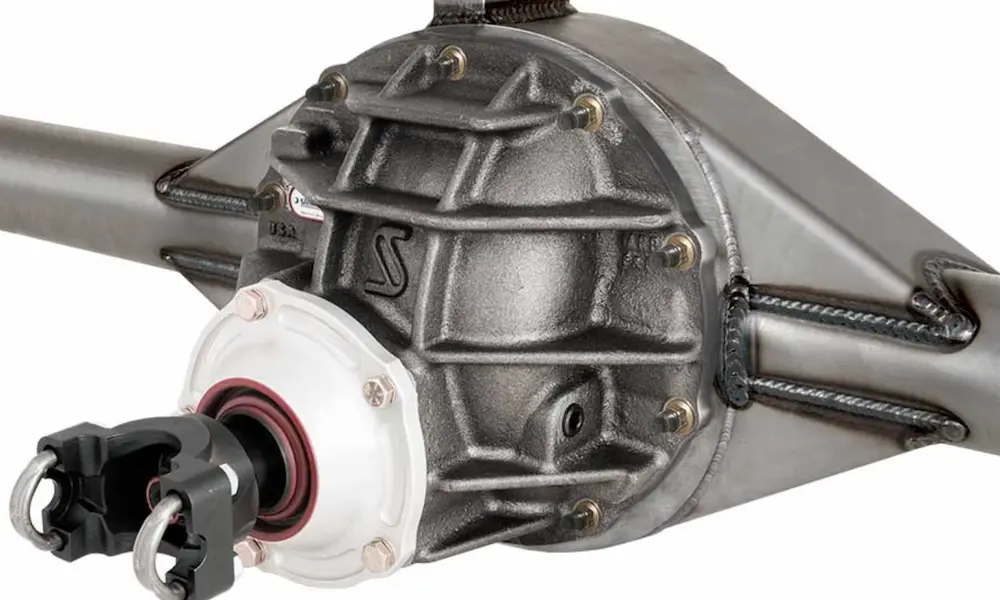
The rear axle ratio has one of the most significant impacts on your truck’s fuel economy:
- 3.73 gears (standard on many trims) optimize highway efficiency when towing under 14,000 lbs
- 4.10 gears (optional/standard on some packages) reduce efficiency by approximately 10% at highway speeds
- Each ratio change affects engine RPM at cruise speed, directly impacting fuel consumption
If you’re not regularly towing maximum loads, the 3.73 ratio will deliver noticeably better fuel economy in most driving scenarios.
2. Tire Size and Type
Tire choices dramatically affect your Ram’s efficiency:
- Stock tire size (typically 32-33″) provides optimal fuel economy
- Upgrading to 35″ tires without regearing costs 2-3 mpg
- Mud terrain patterns create more rolling resistance than highway or all-terrain designs
- Proper inflation is critical – underinflated tires can waste 1% efficiency per tire
While larger tires look impressive, they come with a significant fuel economy penalty unless paired with appropriate gearing changes.
3. Truck Configuration Weight
Your truck’s specific configuration affects its base weight and aerodynamic profile:
- Regular cab, 2WD models are lightest (approximately 6,700 lbs)
- Crew cab, 4×4 variants add 300-450 lbs (approximately 7,200 lbs)
- Mega Cab models with 4×4 are heaviest (approaching 7,500 lbs)
- Each 100 pounds affects highway fuel economy by roughly 0.1 mpg
Choosing the configuration that meets your needs without excess weight helps maximize efficiency.
4. Speed and Aerodynamics
Physics plays a major role in highway economy:
- 65-68 mph represents the efficiency sweet spot
- Each 5 mph over 65 costs approximately 1 mpg due to exponential drag increase
- Tonneau covers can improve highway mpg by 0.5-0.8 mpg
- Wind direction affects real-world results by 1-2 mpg
The Ram 2500’s large frontal area means aerodynamic drag increases dramatically at higher speeds, making your cruise control setting a critical efficiency factor.
5. Emissions Systems Operation
Modern diesel emissions systems affect fuel economy in ways many owners don’t realize:
- DPF regeneration cycles temporarily reduce mpg by burning extra fuel
- Frequent short trips trigger more regen cycles, reducing overall efficiency
- Low DEF levels can force the engine into less efficient operating modes
- Colder temperatures extend warm-up periods and reduce efficiency
Allowing your truck to complete its regeneration cycles and maintaining proper DEF levels ensures optimal efficiency.
The New 8-Speed Automatic: Does It Improve Fuel Economy?
The 2025 Ram 2500 introduces a new 8-speed automatic transmission replacing the previous 6-speed. Many buyers assume this means significantly improved fuel economy, but testing tells a different story:
- Recent field tests show 18.8 mpg over a 111-mile validation loop
- This is virtually identical to the 6-speed transmission it replaced
- The additional gear ratios help with performance and shift refinement, but don’t overcome the physics of moving a 7,000+ lb vehicle
The new transmission’s primary benefits are smoother operation and better acceleration, not dramatically improved fuel economy.
8 Practical Ways to Improve Your Ram 2500 Diesel’s Fuel Economy
Want to maximize your Cummins efficiency? These proven techniques can help recover 2-3 mpg without sacrificing capability:
1. Optimize Your Cruising Speed
Setting your cruise control strategically makes a huge difference:
- Target 65-68 mph for maximum efficiency
- Each 5 mph faster costs approximately 1 mpg
- Use adaptive cruise when available to maintain consistent speeds
This single change can save you hundreds of dollars annually with no modification costs.
2. Maintain Stock-Diameter, Low-Rolling-Resistance Tires
Your tire choice significantly impacts efficiency:
- Keep tires inflated to door-placard recommendations
- Choose highway or all-terrain patterns over mud terrains when possible
- If upsizing beyond 33″, consider regearing to compensate
- Rotate regularly to maintain even wear patterns
Proper tire maintenance alone can recover 1-2 mpg on many trucks.
3. Minimize Wind-Catching Accessories
Aerodynamic add-ons create costly drag:
- Roof racks can each reduce efficiency by 0.2-0.3 mpg
- Bumper-mounted light bars create significant frontal drag
- Oversized towing mirrors, when extended unnecessarily, increase wind resistance
When not needed, remove or fold these accessories to improve airflow around your truck.
4. Install an Aerodynamic Bed Cover
A quality tonneau cover delivers multiple benefits:
- Improves highway fuel economy by 0.5-0.8 mpg
- Reduces turbulence in the bed area
- Protects cargo and enhances security
- Available in hard or soft configurations to match your needs
This modification typically pays for itself within 1-2 years of normal driving.
5. Stay Current on Software Updates
Modern diesels benefit from periodic calibration improvements:
- 2022+ trucks received calibration updates improving cruise efficiency
- Dealership updates can optimize injection timing and turbo response
- Some updates specifically target fuel economy improvements
- Others ensure emissions systems operate optimally
Check with your dealer about available updates for your specific model year.
6. Complete DPF Regeneration Cycles
Working with your emissions system rather than against it helps economy:
- Allow regeneration cycles to complete before shutting down
- Avoid frequent short trips that trigger more regeneration events
- Use quality DEF fluid and keep the tank above 25% full
- Consider occasional highway drives to clear the system if you primarily drive short distances
Proper emissions system operation prevents inefficient operating modes that waste fuel.
7. Use the Tow/Haul Mode Strategically
The tow/haul feature isn’t just for towing:
- Activating tow/haul in hilly terrain reduces hunting between gears
- The gear-limit function keeps the engine in its efficiency sweet spot
- Reduced transmission temperature improves overall drivetrain efficiency
- Particularly useful when carrying heavy loads or driving in mountains
Using this feature appropriately can improve economy by 1-2 mpg in challenging terrain.
8. Track Your Results with a Quality Scan Tool
Knowledge is power when optimizing fuel economy:
- OBD monitoring tools provide real-time feedback on driving efficiency
- Track long-term fuel averages more accurately than dash displays
- Identify when regeneration cycles occur to understand their impact
- Monitor boost pressure, EGT, and other parameters affecting economy
This data-driven approach helps you fine-tune your driving style for maximum efficiency.
Cummins Efficiency by Model Year: Has It Improved?
Tracking Ram 2500 diesel fuel economy across generations reveals interesting patterns:
| Model Years | Engine Version | Typical Highway MPG | Contributing Factors |
|---|---|---|---|
| 2007-2012 | 6.7L (1st Gen) | 17-19 mpg | Simpler emissions, lighter weight |
| 2013-2018 | 6.7L (Updated) | 16-20 mpg | Added SCR/DEF systems, improved tuning |
| 2019-2024 | 6.7L (Current) | 18-20 mpg | Heavier but more advanced emissions |
| 2025+ | 6.7L w/8-speed | 18-20 mpg | New transmission, similar efficiency |
Despite increasing weight and emissions complexity, careful engineering has maintained consistent fuel economy across generations. The efficiency gap between older and newer models is smaller than many owners expect.
Weight and Configuration Impacts on Ram 2500 Diesel Fuel Economy
Your specific truck configuration significantly affects baseline fuel economy:
| Configuration | Approx. Curb Weight | Typical Highway MPG | City MPG |
|---|---|---|---|
| Regular Cab 2WD | 6,700-6,900 lbs | 19-21 mpg | 13-15 mpg |
| Crew Cab 2WD | 7,000-7,200 lbs | 18-20 mpg | 12-14 mpg |
| Crew Cab 4×4 | 7,200-7,400 lbs | 17-19 mpg | 11-13 mpg |
| Mega Cab 4×4 | 7,400-7,600 lbs | 16-18 mpg | 10-12 mpg |
Each 100 pounds of additional weight reduces fuel economy by approximately 0.1 mpg at highway speeds. This means configuration choices can create a 2-3 mpg difference between otherwise identical trucks.
The Bottom Line: What To Expect From Your Ram 2500 Diesel
After analyzing thousands of owner reports and professional tests, the Cummins-powered Ram 2500 delivers predictable real-world fuel economy:
- 18-20 mpg highway when driving solo at 65-70 mph
- 14-17 mpg in mixed suburban driving
- 10-13 mpg in pure city driving
- 10-12 mpg when towing heavy loads
These figures consistently outpace gasoline alternatives by 3-5 mpg in identical conditions. By implementing the efficiency strategies outlined above, you can often improve these numbers by 2-3 mpg, translating to $500-$700 annual savings for a 15,000-mile driver at today’s diesel prices.
The Ram 2500 diesel wasn’t designed as a fuel-sipper, but its efficiency while delivering massive capability makes it an economical choice for those who need heavy-duty performance. Understanding the factors that affect your specific truck’s economy helps set realistic expectations and maximize your investment.