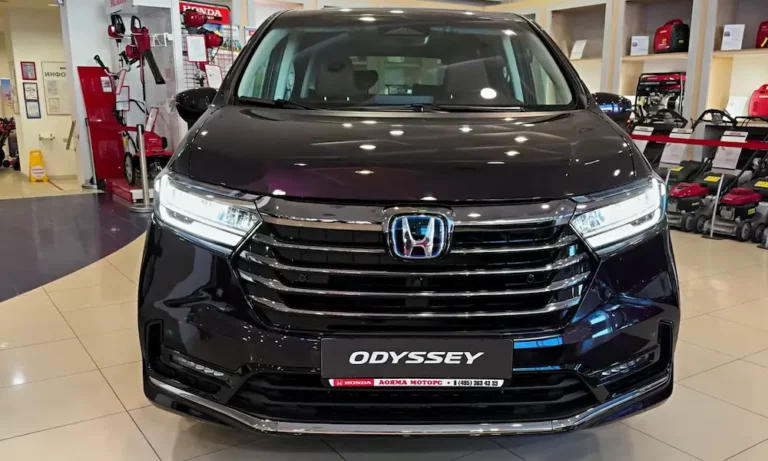
Is your Honda Odyssey refusing to start this morning? Few things are more frustrating than turning the key only to hear nothing—or worse, that dreaded clicking sound. Whether you’re late for work or stranded in a parking lot, a non-starting Odyssey needs quick diagnosis and action.
Battery Issues: The Most Common Culprit
Battery problems cause the majority of starting failures in Honda Odysseys. When your minivan won’t start, this should be your first checkpoint.
Dead or Weak Battery
A healthy battery should read between 12.2 to 12.6 volts when the engine is off. Anything below 12.1 volts is considered low and likely needs replacement. Your battery might be failing if you notice:
- Slow engine cranking or clicking sounds when you try to start
- Dim headlights and dashboard lights
- Radio, power windows, or other accessories not working properly
- Needing frequent jump-starts
Check for corrosion on the battery terminals—that white, powdery substance can prevent proper electrical flow. Clean the terminals with a wire brush and baking soda solution if you spot corrosion.
Key Fob Battery Problems
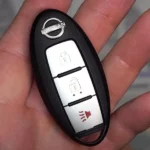
For newer Odysseys with push-button start, a dying key fob battery can prevent your van from starting. The vehicle’s computer needs to detect the key fob to allow engine starting.
If your key fob battery is dead and you need to start your Odyssey in a pinch, hold the fob directly against the start button while pressing it. This allows the vehicle to recognize the fob even when its battery is too weak to transmit properly.
Starter Motor Failure
The starter motor typically lasts between 100,000 and 150,000 miles in a Honda Odyssey. When it begins to fail, you’ll notice:
- Engine won’t turn over despite the battery having power
- Clicking sounds when you try to start
- Grinding noises during startup
- Headlights or dashboard lights that dim when you turn the key
To test if your starter is the problem, turn the headlights on, then try to start the engine. If the lights go completely dim when you turn the key, it’s likely a battery issue. If they stay bright but the engine doesn’t crank, the starter may be failing.
Alternator Problems
Your alternator generates electricity while the engine runs, recharging the battery and powering electrical systems. When it fails, your battery eventually drains completely.
Signs of alternator failure include:
- Battery warning light on the dashboard
- Headlights that dim and brighten as engine speed changes
- Multiple electrical systems failing gradually
- Battery that dies after recently being replaced or charged
You can test your alternator by checking battery voltage with the engine running—it should read 13.5 to 14.5 volts. If voltage is lower, your alternator may not be charging properly.
Main Relay Issues
Honda vehicles, including the Odyssey, are notorious for main relay failures, especially in extreme temperatures. The main relay sends power to the fuel pump and other critical systems needed for starting.
Signs of a failing main relay include:
- Intermittent starting problems
- Starting difficulties that worsen in hot or cold weather
- Engine that cranks normally but won’t start
The main relay is typically located under the dashboard or behind the glove compartment. Many Honda owners have successfully fixed their main relay problems by resoldering the internal connections that frequently crack over time.
| Temperature | Impact on Main Relay |
|---|---|
| Below 40°F | Connections may shrink and separate, causing no-start conditions |
| Above 90°F | Expanded connections may work inconsistently |
| 50-80°F | Problems may temporarily disappear, making diagnosis difficult |
Fuel System Problems
When your Odyssey cranks but won’t start, fuel delivery issues could be the cause.
Clogged Fuel Filter
A fuel filter that’s become clogged with dirt and debris restricts fuel flow to the engine. This can prevent starting or cause poor performance. Honda recommends changing the fuel filter every 30,000 miles, but many owners go much longer without issues.
Fuel Pump Issues
While fuel pump failures are less common in Honda vehicles, they can happen, especially in older Odysseys. Listen for a brief whirring sound when you turn the key to “on” (before cranking). If you don’t hear this sound, the fuel pump may not be receiving power or could be failing.
Other symptoms include:
- Engine cranking but not starting
- Unusual whining noises from the fuel tank area
- Sputtering or hesitation during acceleration
- Decreased fuel efficiency
Transmission and Safety Systems
Several safety mechanisms can prevent your Odyssey from starting, even when nothing is mechanically wrong with the engine.
Neutral Safety Switch Problems
The neutral safety switch prevents the vehicle from starting unless it’s in Park or Neutral. A faulty switch can cause intermittent starting issues.
If your Odyssey won’t start in Park, try these steps:
- Apply the parking brake firmly
- Shift to Neutral
- Try starting the engine again
This simple test can help determine if the neutral safety switch needs adjustment or replacement.
Immobilizer System Malfunctions
Your Odyssey’s anti-theft immobilizer system verifies that you’re using the correct key. When this system malfunctions, it can disable the fuel pump, ignition coil, or injectors, preventing the engine from starting.
When the immobilizer is activated, you’ll typically see a security indicator light on the dashboard. Common causes include:
- Low key fob battery
- Damaged key chip
- Faulty electrical wiring in the system
- Interference from other electronic devices
Ignition Switch Issues
Failing ignition switches commonly cause starting problems in older Honda Odysseys. Some model years even had ignition switch recalls due to reliability issues.
Signs of ignition switch failure include:
- Intermittent starting problems
- All dashboard warning lights briefly illuminating when starting issues occur
- Vehicle cutting off while driving
- Accessories that work inconsistently
On some Odyssey models, the ignition switch is integrated with the key cylinder, requiring replacement as a complete unit.
| Component | Average Replacement Cost | DIY Difficulty |
|---|---|---|
| Battery | $150-$250 | Easy |
| Key Fob Battery | $3-$10 | Easy |
| Starter | $350-$650 | Medium |
| Main Relay | $50-$150 | Medium |
| Ignition Switch | $150-$400 | Hard |
| Fuel Pump | $700-$1,200 | Hard |
| Alternator | $400-$700 | Medium |
Diagnostic Steps When Your Odyssey Won’t Start
Follow this systematic approach when your Honda Odyssey won’t start:
- Listen carefully: Different sounds provide important clues
- No sound: Likely battery, ignition switch, or neutral safety switch
- Clicking: Usually indicates battery or starter issues
- Normal cranking but no start: Fuel or ignition system problem
- Check the battery first
- Test voltage with a multimeter
- Inspect for corrosion
- Try jump-starting (if successful, battery or alternator is the issue)
- Test in Neutral mode
- If the van won’t start in Park, try Neutral with the brake applied
- Starting in Neutral but not Park suggests a neutral safety switch issue
- Check your key fob
- For push-button start vehicles, try holding the fob directly against the start button
- Replace the key fob battery if it’s been more than 2 years
- Inspect fuses and relays
- Check the starter fuse and main relay in the fuse box
- Look for blown fuses with a visual inspection or test with a multimeter
- Check for dashboard warning lights
- Security indicator light: Suggests immobilizer issues
- Battery light: Points to charging system problems
- Check engine light: Could indicate sensor issues affecting starting
When troubleshooting intermittent starting problems, pay attention to patterns. Does it happen more often in extreme weather? In the morning? After short trips? These patterns can help identify the underlying issue.
For persistent or complex starting problems, connecting an OBD-II scanner might reveal stored trouble codes that can point you in the right direction, even if the check engine light isn’t illuminated.
Remember that modern Honda Odysseys have sophisticated electrical systems, and some issues may require specialized diagnostic equipment from professional mechanics. Still, these troubleshooting steps will help you identify many common problems and potentially save time and money on unnecessary repairs.