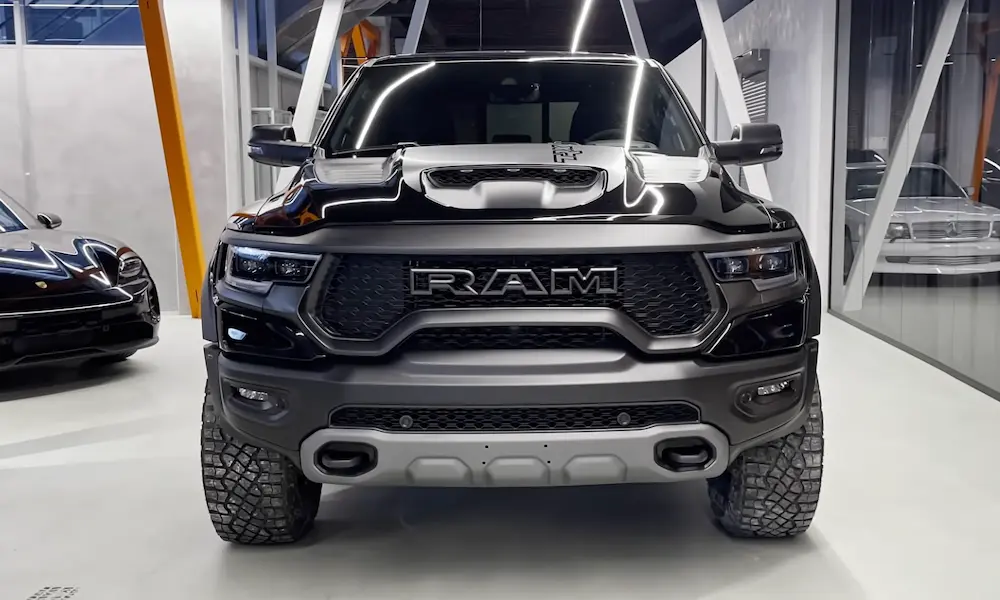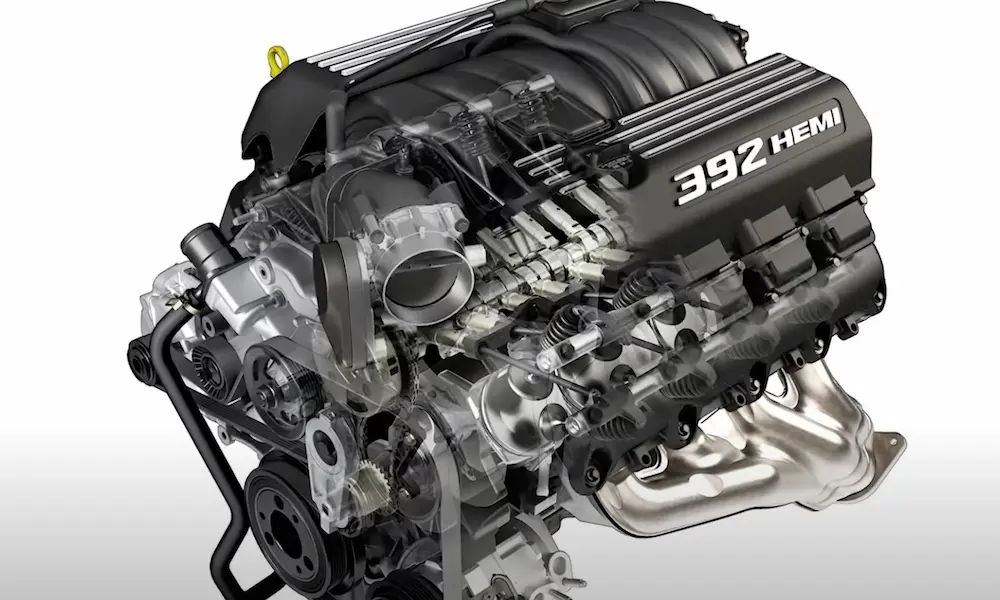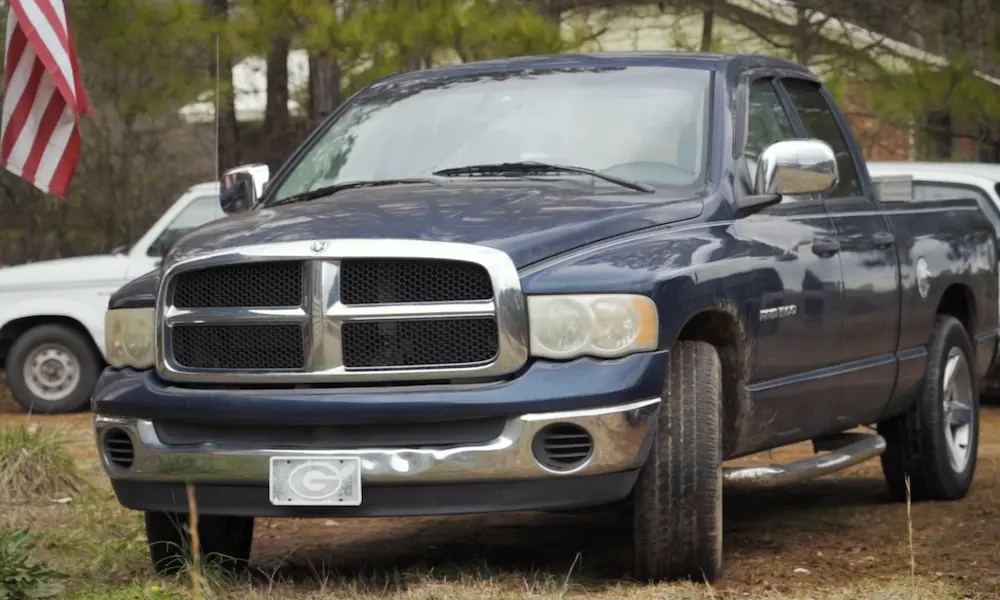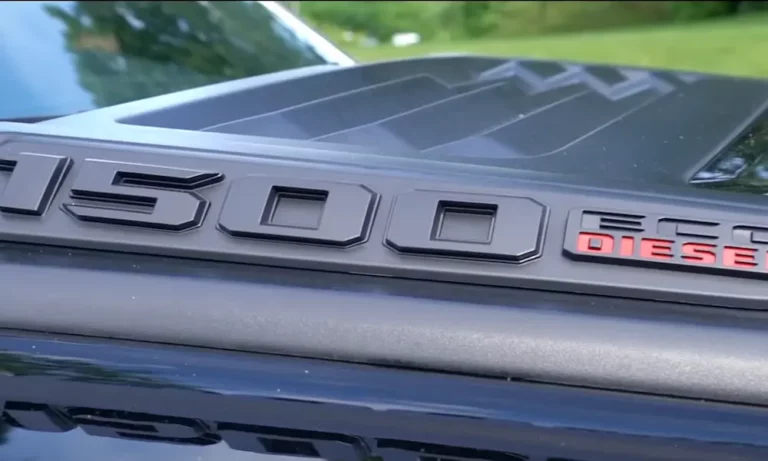
Thinking about a used Ram 1500 EcoDiesel? Smart move — but only if you pick the right year. Some of these trucks are genuinely great. Others have handed owners repair bills north of $14,000 before hitting 60,000 miles. This guide cuts straight to which Ram EcoDiesel years to avoid, why they fail, and which ones are actually worth your money.
The Quick Answer: Ram EcoDiesel Years to Avoid
Don’t bury the lead. If you’re shopping used, stay away from 2014, 2015, and 2016 model years. Full stop.
The 2019 “Classic” edition also deserves a cautious look — it carries the older Gen 2 engine during a period when Ram’s factory attention was split between two different platforms.
Here’s the complete reliability picture at a glance:
| Model Year | Primary Risk | Buy It? |
|---|---|---|
| 2014 | Engine seizure, oil cooler failure | ❌ AVOID |
| 2015 | Engine seizure, glow plug failure | ❌ AVOID |
| 2016 | Bottom-end failure, EGR issues | ❌ AVOID |
| 2017 | Exhaust coupler, electrical glitches | ✅ GOOD (if maintained) |
| 2018 | DPF clogging, transmission seals | ✅ GOOD (if maintained) |
| 2019 | Crankshaft tone wheel (Recall 66A) | ⚠️ FAIR |
| 2020 | Early software teething issues | ✅ EXCELLENT |
| 2021 | HPFP recall (Recall 01A) — check status | ✅ EXCELLENT |
| 2022 | HPFP recall (Recall 01A) — check status | ✅ EXCELLENT |
| 2023 | Final production run, CP4 pump | ✅ EXCELLENT |
Why 2014–2016 EcoDiesels Are So Problematic
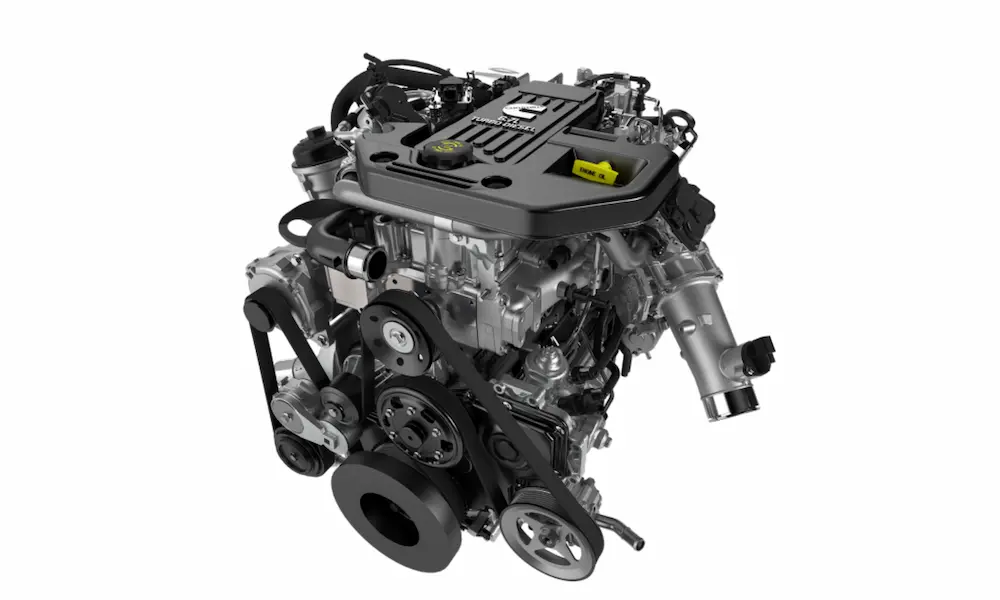
The Ram 1500 EcoDiesel debuted in 2014 carrying a 3.0-liter V6 built by Italian diesel specialist VM Motori. On paper, it looked brilliant — 420 lb-ft of torque and fuel economy that embarrassed most V8s. In reality, early versions had a failure rate nearly double the industry average for light-duty diesel platforms.
Here’s what went wrong.
Engine Seizure and Bottom-End Bearing Failure
This is the big one. Main bearings and connecting rods in Gen 2 engines — particularly 2014 through 2016 — failed without much warning. Owners reported a low oil pressure light flickering on, followed almost immediately by complete engine seizure.
Some trucks seized with as little as 20,000 miles on the clock. Replacement costs ran upwards of $14,550 for parts and labor. Several owners went through three separate engine replacements under warranty before reaching 60,000 miles.
The culprit? Two things working against each other. First, manufacturing tolerances in early engines weren’t tight enough. Second, the original factory oil specification was 5W-30 — too thin to protect bearings under diesel combustion pressures, especially when towing or driving in hot climates. When bearings fail, they release metal shavings that clog oil passages and cause total oil starvation. It’s a death spiral with no exit.
By 2016, Ram issued a Technical Service Bulletin updating the required oil to 5W-40 full synthetic diesel-spec. For many 2014–2016 owners, that TSB came too late.
The Bosch CP4.2 Fuel Pump Problem
The high-pressure fuel pump on EcoDiesel engines is a known industry-wide issue — not exclusive to Ram. The Bosch CP4.2 relies on diesel fuel itself for internal lubrication. The problem is that North American diesel fuel has lower lubricity than European fuel.
When the pump’s internal components wear against each other, they shed fine metallic debris — owners call it the “glitter party.” That debris travels through the entire fuel system, contaminating injectors, rails, and fuel lines. The fix isn’t a pump swap. It’s a complete fuel system replacement that costs thousands. FCA issued major recalls covering both Gen 2 and Gen 3 vehicles for this exact issue, documented in NHTSA recall report 23V-263.
EGR Cooler Failures and Fire Risk
The EGR (Exhaust Gas Recirculation) cooler in Gen 2 engines cracked internally due to extreme heat cycling. Those cracks let coolant leak into the EGR system, where it mixed with hot exhaust gases and combusted inside the intake manifold.
That’s not a typo. These trucks had a real fire risk. Ram recalled over 108,000 vehicles produced between 2014 and 2019 because of it.
Oil Cooler Failure and Fluid Mixing
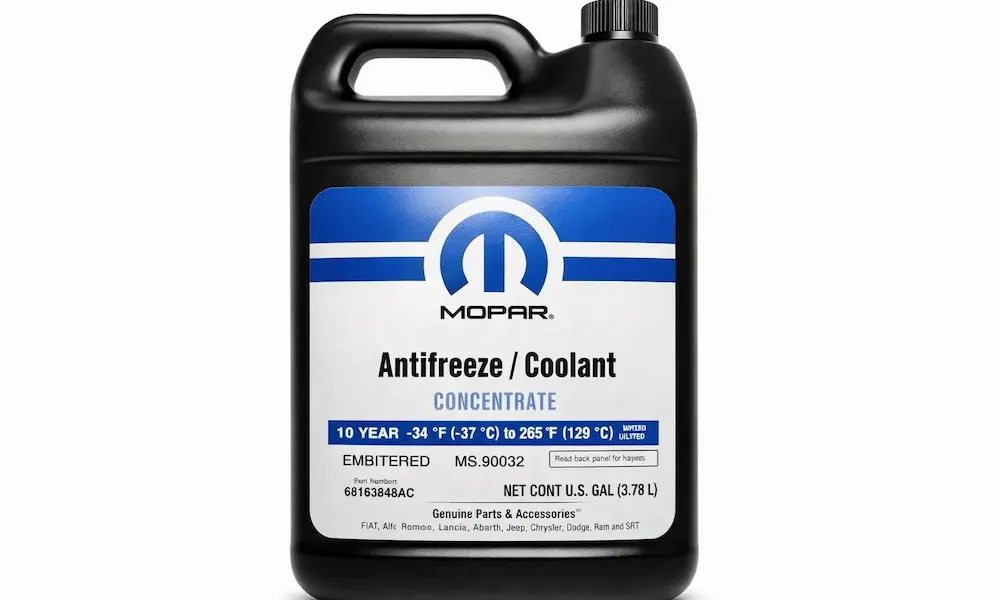
The oil cooler in 2014–2016 models failed regularly under towing loads or in mountainous terrain. When internal seals gave out, engine oil and coolant mixed. The result looked like chocolate milk in the coolant reservoir — and it destroyed the water pump, radiator, and internal seals in the process.
Ram extended warranties on oil coolers for 2014–2016 engines after the failure rate became impossible to ignore.
Crankshaft Tone Wheel Delamination
Here’s a sneaky one that affected 2014–2019 trucks. The crankshaft position sensor uses a tone wheel (reluctor wheel) to sync fuel injection timing. The magnetic coating on these wheels delaminated — it simply peeled off while the truck was moving.
When that happened, the engine lost its timing signal and stalled without warning at highway speeds. Ram addressed this through multiple recall expansions, eventually updating PCM software so the engine could limp home using only the camshaft signal if the crankshaft signal disappeared.
The 2017–2019 EcoDiesel: Middle Ground
The 2017 and 2018 model years benefit from years of refinement to the fourth-generation Ram 1500 platform. They still carry the Gen 2 engine with its inherent weaknesses — the CP4.2 pump and EGR cooler vulnerabilities didn’t disappear — but J.D. Power scored both years at 81/100, and real-world reliability improved meaningfully.
If your budget tops out before reaching 2020-era trucks, a well-maintained 2017 or 2018 with documented oil change history using the correct 5W-40 spec is a reasonable buy. Just go in with eyes open about the emission system components.
The 2020–2023 EcoDiesel: The Redemption Arc
The Gen 3 EcoDiesel that arrived in 2020 wasn’t a refresh. It was an 80% redesign of the engine’s internal architecture, and it shows.
Key changes included:
- Reinforced crankshaft and connecting rods to address the bottom-end failures of Gen 2
- Redesigned pistons with thinner rings, a low-friction coating, and a 0.3mm offset pin to reduce noise
- Compression ratio dropped from 16.5:1 to 16.0:1 — lower peak cylinder pressures, longer component life
- Dual-loop EGR system pulling cleaner exhaust gases after the DPF filter, reducing intake carbon buildup dramatically
- Redesigned injectors operating at 29,000 psi for better atomization and less soot
The Gen 3 also got a power bump to 260 hp and 480 lb-ft of torque — up from 240 hp and 420 lb-ft in Gen 2. Oil capacity actually dropped from 10.5 quarts to 8.5 quarts, reflecting better thermal management in the redesigned engine.
The 2021–2023 models do carry an HPFP recall (Recall 01A). Check that it’s been completed before buying — but don’t let it scare you off. Recall work done means the problem’s fixed.
EcoDiesel vs. Your Other Engine Options
The EcoDiesel costs $3,200–$5,000 more than gasoline alternatives. Here’s whether that premium makes sense:
| Engine | Highway MPG | City MPG | Max Tow (lbs) | Reliability Risk |
|---|---|---|---|---|
| 3.0L EcoDiesel Gen 3 | 29–32 | 21–23 | 12,560 | Moderate (recall-dependent) |
| 5.7L Hemi V8 eTorque | 22–23 | 17–18 | 12,750 | Low |
| 3.6L Pentastar V6 | 24–25 | 19–20 | 7,730 | Very Low |
The 5.7L Hemi is simpler, proven, and its worst-case repair bills don’t approach $15,000. The 3.6L Pentastar is the most reliable engine in the lineup — but it runs out of breath above 4,500 pounds of tow weight.
The EcoDiesel wins on fuel economy and low-end towing torque. If you’re hauling a heavy trailer weekly and want to stop less often for fuel, it’s hard to beat. If you want the simplest ownership experience, the Hemi is the smarter call.
What to Check Before You Buy a Used EcoDiesel
Don’t skip these steps. A quick inspection catches most problems before they become your problems.
Recall verification: Confirm that NHTSA recall 23V-263 (HPFP), EGR cooler recall (VB1), and crankshaft tone wheel recall (66A/W58) are all completed. Check status at the official Mopar recall search.
Oil service history: Ask for receipts. You want to see 5W-40 full synthetic meeting MS-10902 (Gen 2) or MS-12991 (Gen 3) — not generic 5W-30 from a quick-lube chain.
Coolant reservoir inspection: Pull the cap and look. Chocolate milk color means oil and coolant have mixed — walk away immediately.
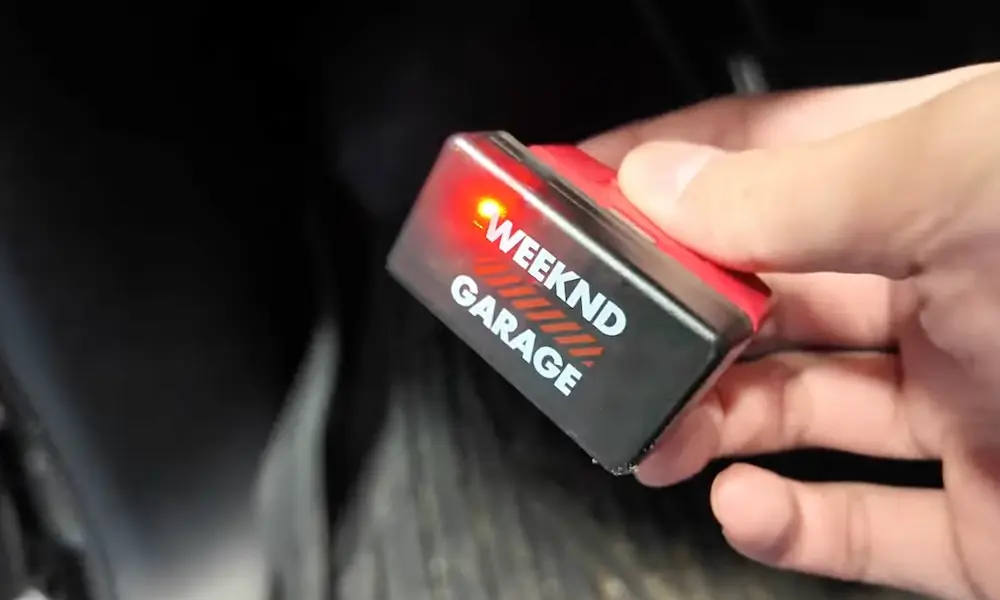
Diagnostic scan: Run a professional-grade scanner and check for codes P1D30 (low oil viscosity), P20EE (SCR efficiency), and P2453 (DPF differential pressure). These common early-warning codes show up before catastrophic failures happen.
Drive cycle habits: Ask the previous owner how they drove it. Short city commutes clog DPF filters fast. These engines need at least 30–40 minutes of highway driving weekly to keep the particulate filter clean through natural regeneration cycles.
The Oil Specification That Matters More Than People Realize
| Engine Gen | Oil Capacity | Required Spec | Viscosity |
|---|---|---|---|
| Gen 2 (2014–2019) | ~10.5 quarts | MS-10902 / API CJ-4 | 5W-40 Full Synthetic |
| Gen 3 (2020–2023) | ~8.5 quarts | MS-12991 | 5W-40 Full Synthetic |
Using the wrong oil spec is one of the fastest ways to destroy an EcoDiesel. The wrong viscosity causes turbocharger bearing deposits, accelerated valve train wear, and eventually the same bearing failures that defined the early years. Don’t skip this detail.
The Final Word on Ram EcoDiesel Years to Avoid
The Ram EcoDiesel story has a clear before and after. Before 2020, it was a genuinely risky buy — especially those 2014–2016 models that could eat themselves alive before you finished paying them off. After 2020, it’s a substantially more refined engine in a great truck platform.
Avoid 2014, 2015, and 2016. Approach 2019 Classic models carefully. Buy 2020–2023 with confidence, provided the recalls are cleared. And if a 2017 or 2018 shows up with clean maintenance records and the right oil history, it’s worth a serious look at the right price.
The EcoDiesel had a rough decade. Its final years were its best. Shop accordingly.