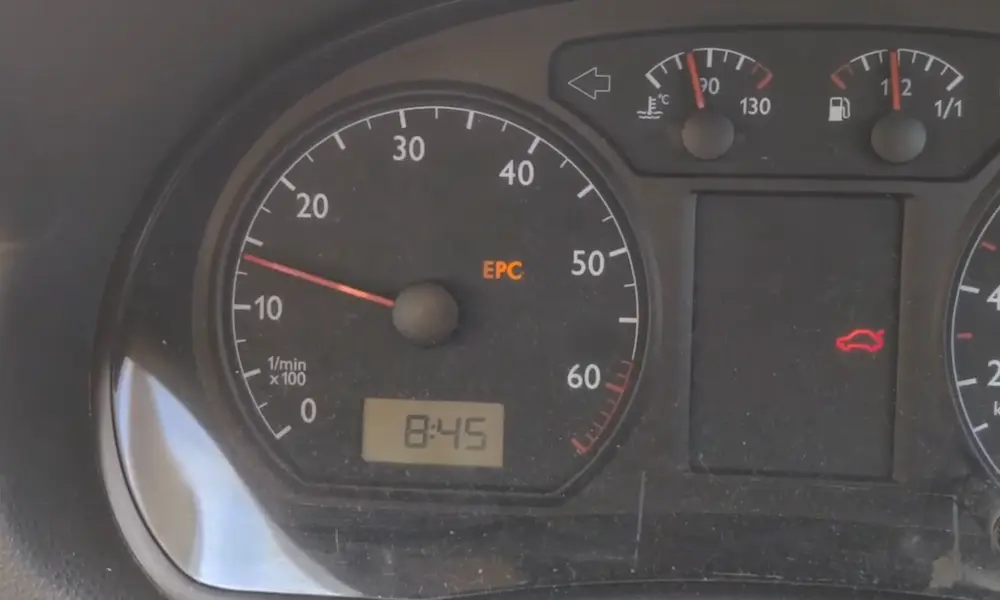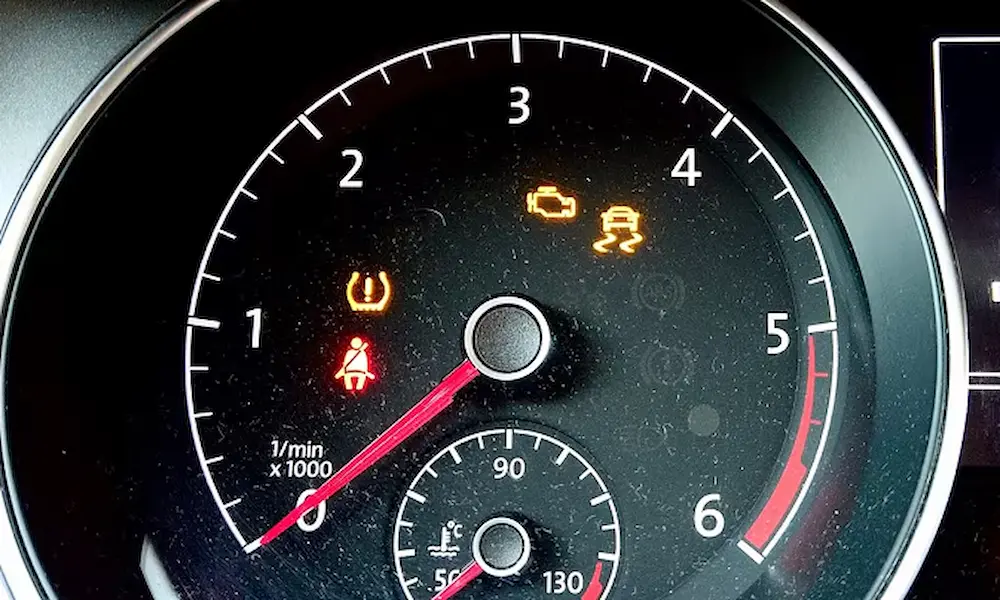
Your Volkswagen’s check engine light just came on, and your heart sinks. Is it something minor or a costly repair waiting to happen? Understanding what those mysterious codes actually mean can save you time, money, and unnecessary stress. Let’s decode the secret language your VW is trying to speak.
What Are VW Check Engine Light Codes?
VW check engine light codes are diagnostic trouble codes (DTCs) generated by your vehicle’s onboard computer system. When something isn’t working right, your Volkswagen’s brain—the On-Board Diagnostic (OBD-II) system—flags the issue with a specific code and turns on that dreaded dashboard light.
These codes follow a standardized format required by law since the mid-1990s. Each code contains valuable information about what’s happening with your car, pointing to specific systems, components, or problems that need attention.
How to Access Your VW’s Trouble Codes
Getting to the root of your VW’s problem starts with retrieving the codes. Here are your options:
DIY Code Reading
You can access your VW’s codes yourself with:
-
OBD-II Scanner: Basic scanners start around $20-30 and connect to your car’s diagnostic port (usually found under the dashboard near the steering column). They’ll display the code numbers, which you can then look up.
-
Bluetooth OBD-II Adapters: These pair with a smartphone app to display and interpret codes right on your phone screen. Many apps even provide explanations of what the codes mean.
Professional Assistance
If you prefer expert help:
-
Auto Parts Stores: Many offer free code reading services. Just pull up, and a staff member will retrieve the codes for you.
-
VW Dealerships or Independent Mechanics: They have access to advanced VW-specific diagnostic tools that can provide more detailed information than generic scanners.
Understanding VW Code Structure
VW check engine light codes follow a specific pattern that helps identify the issue:
| Character Position | Meaning | Examples |
|---|---|---|
| First character | System category | P = Powertrain, B = Body, C = Chassis, U = Network |
| Second digit | Code type | 0 = Generic (standardized), 1 = Manufacturer-specific |
| Third digit | Sub-system | 1 = Fuel/air metering, 2 = Fuel/air metering injector circuit, etc. |
| Fourth & fifth digits | Specific fault | Identifies the exact component or condition |
For example, a code like P0301 breaks down as:
- P: Powertrain (engine or transmission issue)
- 0: Generic standardized code
- 3: Ignition system
- 01: Cylinder #1 misfire detected
Common VW Check Engine Light Codes Explained
Engine Misfire Codes
P0300: Random/Multiple Cylinder Misfire
- What it means: Your engine is misfiring across various cylinders rather than just one.
- Common causes: Bad spark plugs, failing ignition coils, fuel delivery issues, or vacuum leaks.
- Urgency level: High – continued driving can damage your catalytic converter.
P0301-P0308: Cylinder-Specific Misfires
- What it means: A specific cylinder (1-8) is misfiring.
- Common causes: Failed ignition coil or spark plug for that cylinder.
- Urgency level: High – especially if the check engine light is flashing.
Emissions System Codes
P0420: Catalyst System Efficiency Below Threshold
- What it means: Your catalytic converter isn’t working efficiently enough.
- Common causes: Aging catalytic converter, exhaust leaks, or oxygen sensor issues.
- Urgency level: Medium – your car will run, but you’ll fail emissions tests.
P0442: EVAP System Small Leak Detected
- What it means: There’s a small leak in your evaporative emissions control system.
- Common causes: Loose or damaged gas cap (check this first!), cracked EVAP hoses, or faulty purge valve.
- Urgency level: Low – won’t affect drivability but should be fixed.
Sensor-Related Codes
P0101-P0103: Mass Air Flow Sensor Issues
- What it means: Your engine isn’t getting accurate airflow measurements.
- Common causes: Dirty or failing MAF sensor.
- Urgency level: Medium – may cause poor performance and fuel economy.
P0171: System Too Lean (Bank 1)
- What it means: The engine is getting too much air or too little fuel.
- Common causes: Vacuum leaks, dirty MAF sensor, clogged fuel injectors, or failing oxygen sensors.
- Urgency level: Medium – affects performance and can cause damage over time.
P0172: System Too Rich (Bank 1)
- What it means: The engine is getting too much fuel or too little air.
- Common causes: Failing oxygen sensors, leaky fuel injectors, or a faulty fuel pressure regulator.
- Urgency level: Medium – causes poor fuel economy and can foul spark plugs.
VW-Specific Check Engine Light Issues
Volkswagens have some particular issues that commonly trigger check engine lights:
Ignition Coil Failures
VW models (especially 1.8T and 2.0T engines) are notorious for ignition coil failures. If your check engine light is flashing and your engine is running roughly, a failed coil is often the culprit. Many VW owners carry a spare coil for this very reason.
Carbon Build-Up on Intake Valves
Direct injection engines (common in modern VWs) tend to develop carbon deposits on intake valves, which can trigger misfire codes and performance issues. This typically requires professional cleaning.
N80 Valve (EVAP Purge Valve)
This small emissions component frequently fails in VWs, causing P0441 and P0442 codes. It’s relatively inexpensive to replace but might require some digging to access.
Faulty PCV System
The Positive Crankcase Ventilation system in VWs can develop issues leading to rough running, oil consumption, and check engine lights. Check for broken diaphragms or leaking valves.
Troubleshooting VW Check Engine Lights
Once you’ve retrieved the codes, follow these steps:
1. Check for Quick Fixes
For some codes, the fix might be simple:
- Tighten or replace your gas cap for EVAP codes (P0442, P0455, P0457)
- Check oil levels (some VWs will trigger codes with low oil)
- Look for disconnected vacuum hoses
2. Look for Patterns
Multiple codes together tell a story:
- Seeing P0300 with P0301? Focus on cylinder #1
- Lean codes (P0171) with EVAP codes suggest a vacuum leak
- Multiple sensor codes could indicate electrical system issues
3. Use Freeze Frame Data
Advanced scanners capture “freeze frame” data showing engine conditions when the code was set. This helps determine if the problem occurs:
- At a specific temperature
- Under certain driving conditions
- Only at particular RPM ranges
Should You Clear the Codes?
Most scanners allow you to clear the check engine light codes, but should you?
When it’s OK to clear codes:
- After fixing the underlying issue
- To see if a minor problem returns (like after tightening a gas cap)
When NOT to clear codes:
- Before emission testing (vehicles need to complete “readiness monitors” after clearing)
- When using the car for diagnosis (mechanics need to see the original codes)
- If you haven’t fixed the underlying problem
VW Check Engine Light DIY vs. Professional Repair
| Issue Type | DIY-Friendly? | Tools Needed | Professional Advantages |
|---|---|---|---|
| Gas cap issues | Yes | None | None |
| Spark plugs/coils | Yes (most models) | Basic socket set, torque wrench | Access to harder-to-reach plugs |
| Oxygen sensors | Sometimes | Oxygen sensor socket, penetrating oil | Access to sensors in tight spots |
| EVAP issues | Basic only | OBD scanner | Smoke testing equipment to find leaks |
| Catalytic converter | No | Advanced tools | Proper diagnosis before replacement |
| Multiple codes | Usually no | Advanced diagnostic tools | Experience with interrelated systems |
Reading Between the Lines: What Codes Don’t Tell You
Check engine light codes point to problems but don’t always tell the whole story:
- A code for an oxygen sensor doesn’t necessarily mean the sensor is bad—it could be responding to a different issue
- Misfire codes don’t specify whether spark plugs, coils, injectors, or compression is the root cause
- P0420 (catalytic converter) might actually stem from exhaust leaks or oxygen sensor issues
This is why proper diagnosis is crucial before replacing parts based solely on codes.
Maintaining Your VW to Prevent Check Engine Lights
Prevention is always cheaper than repairs. Here’s how to reduce check engine light appearances:
- Follow VW’s recommended maintenance schedule
- Use high-quality fuel from reputable stations
- Replace wear items like spark plugs at recommended intervals
- Address small problems before they trigger larger ones
- Use quality parts (OEM or reputable aftermarket)
What Every VW Owner Should Keep in Mind
-
A solid (non-flashing) check engine light isn’t usually an emergency, but don’t ignore it for long periods.
-
A flashing check engine light indicates a severe misfire that could damage your catalytic converter—reduce speed and get your car checked immediately.
-
Disconnecting the battery will temporarily turn off the light but won’t fix the problem, and you’ll lose important diagnostic information.
-
VWs often need VW-specific knowledge. A mechanic experienced with German cars is often worth the higher hourly rate.
Understanding VW check engine light codes empowers you to make informed decisions. Whether you’re facing a simple fix like a loose gas cap or a more complex issue requiring professional attention, knowing what those codes mean puts you in the driver’s seat of your car’s health and your wallet.