You’ve seen the Cummins badge on Ram trucks, big rigs, and heavy equipment. But who actually makes these engines, and where do they come from? This post breaks down exactly who makes Cummins engines, where they’re built, and why it matters to you as a buyer or enthusiast.
Cummins Inc. Makes Cummins Engines — And They’re Independent
Here’s the short answer: Cummins Inc. makes Cummins engines. But what makes this interesting is that Cummins isn’t a subsidiary of Ford, GM, or any automaker. It’s a fully independent, publicly traded company listed on the NYSE under the ticker CMI.
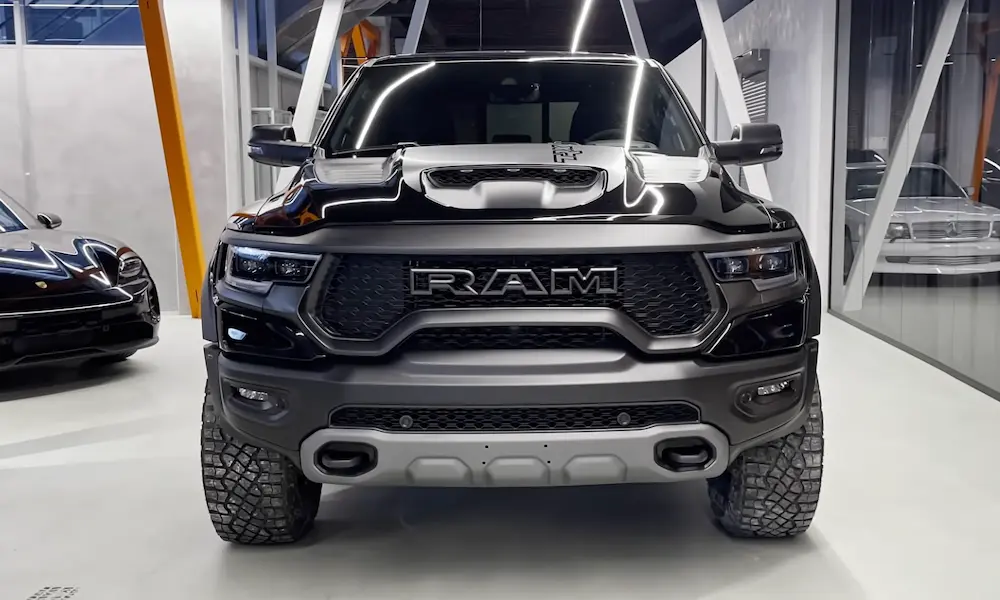
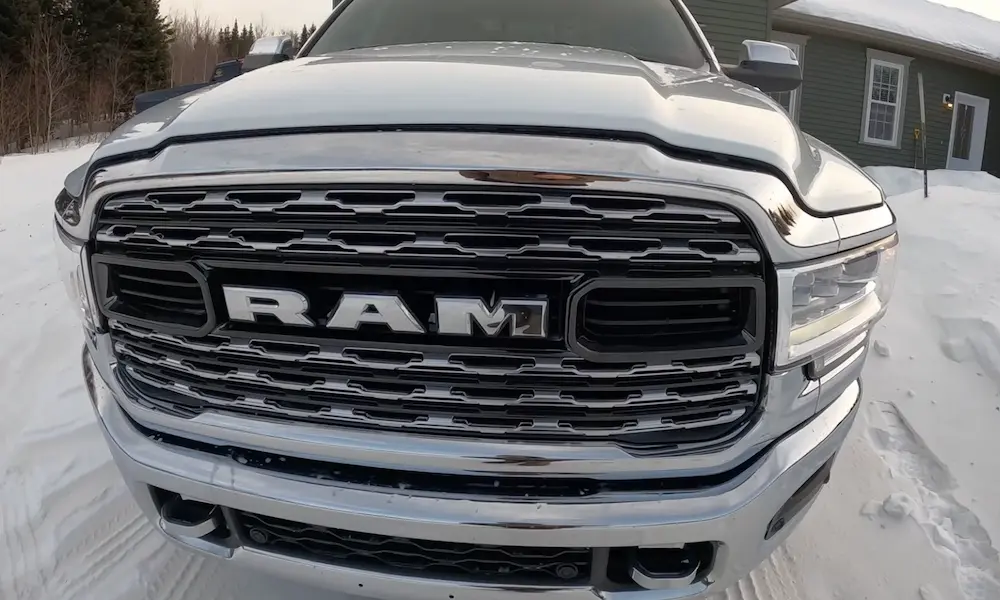
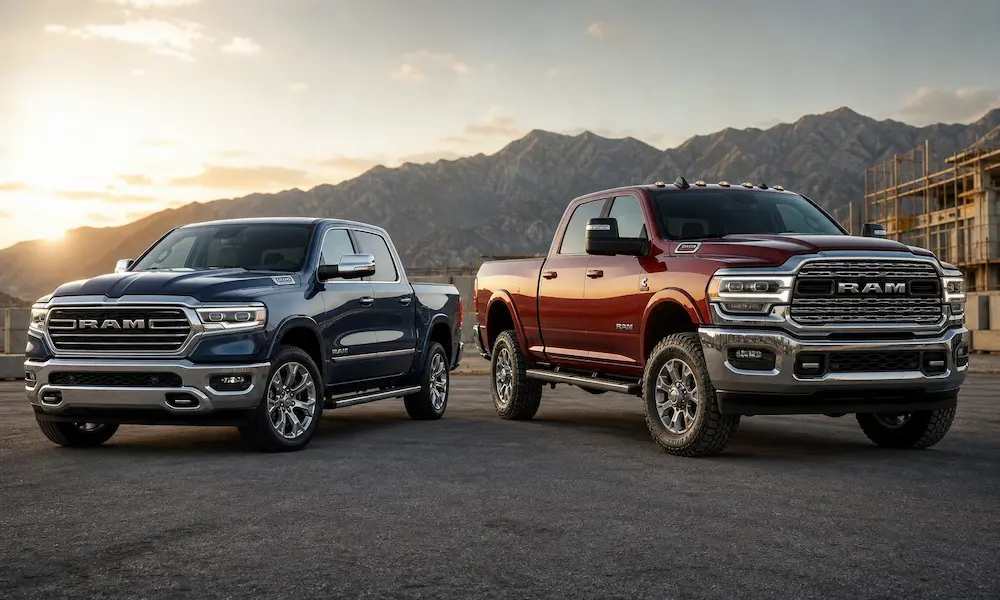
That independence is a big deal. It means Cummins can supply engines to competing truck manufacturers — PACCAR, Daimler Truck, and Navistar all use Cummins power. At the same time, Cummins holds an exclusive partnership with Stellantis for the Ram heavy-duty pickup line. No other engine maker pulls that off.
The company is headquartered in Columbus, Indiana, and currently employs around 75,500 people across roughly 190 countries and territories.
A Quick History of Cummins
Cummins started in 1919 when mechanic Clessie Lyle Cummins teamed up with investment banker William Glanton Irwin. Their goal was simple: refine compression-ignition engine technology and make it commercially viable.
Over the next century, that regional engine builder became a Fortune 500 giant. In 2001, the company officially rebranded from Cummins Engine Company to Cummins Inc. — a signal that it was more than just engines now. It had expanded into power generation, filtration, and emission solutions.
Today, Jennifer Rumsey serves as Chair and CEO, with Mark Smith as CFO. In fiscal year 2025, Cummins reported a staggering $33.7 billion in full-year revenue.
How Cummins Organizes Its Business
Cummins splits its operations into five segments. Each one plays a specific role in building and supporting engines:
| Business Segment | Revenue Share (2025) | What It Does |
|---|---|---|
| Distribution | 30% | Global sales, service, and support |
| Engine | 26% | Diesel and natural gas engine manufacturing |
| Components | 25% | Turbochargers, aftertreatment, fuel systems |
| Power Systems | 18% | Industrial engines and generator sets |
| Accelera | 1% | Hydrogen, batteries, and zero-emission tech |
The Engine segment is the traditional core, but the Components segment is what makes modern Cummins engines tick. That’s where you’ll find Holset turbochargers and Jacobs engine brakes — both built in-house.
Where Cummins Engines Are Made in the U.S.
Cummins operates 217 locations across the United States. Indiana is the heartland, but major plants stretch from New York to North Carolina to South Carolina.
Indiana: The Home Base
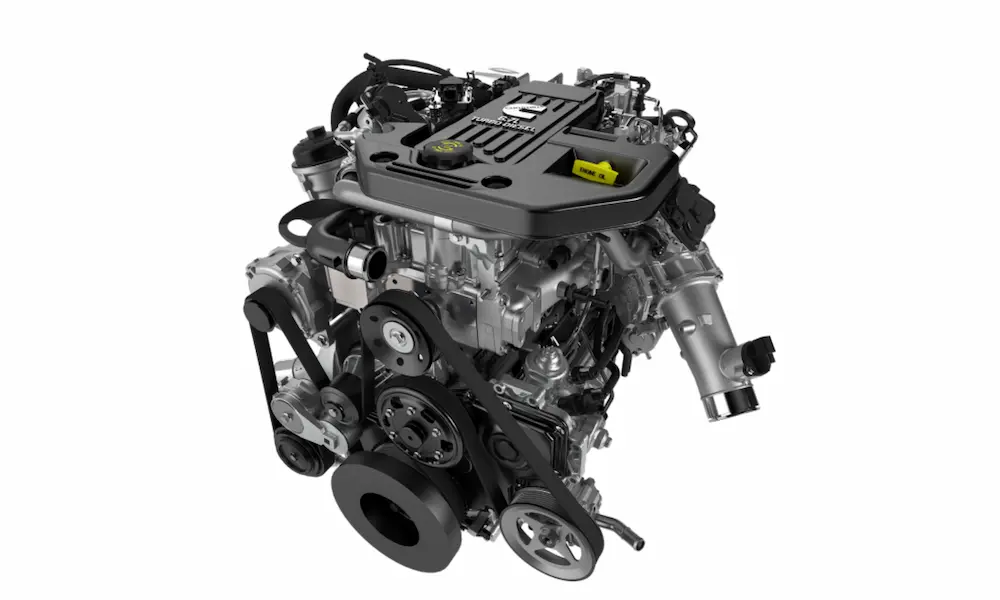
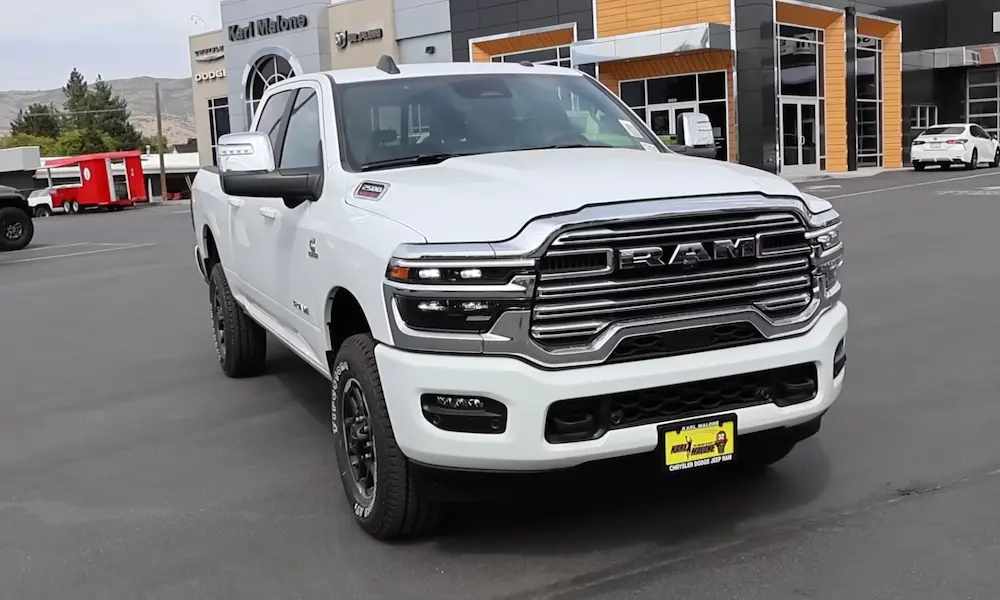
Columbus, Indiana, isn’t just the corporate HQ. It’s home to the Columbus Mid-Range Engine Plant, a 600,000-square-foot facility with about 900 employees. This is the only place where the 6.7-liter turbo diesel for the Ram 2500 and 3500 gets built.
In 2019, Cummins and Ram celebrated the production of the three-millionth engine at this very plant. That’s not a small milestone.
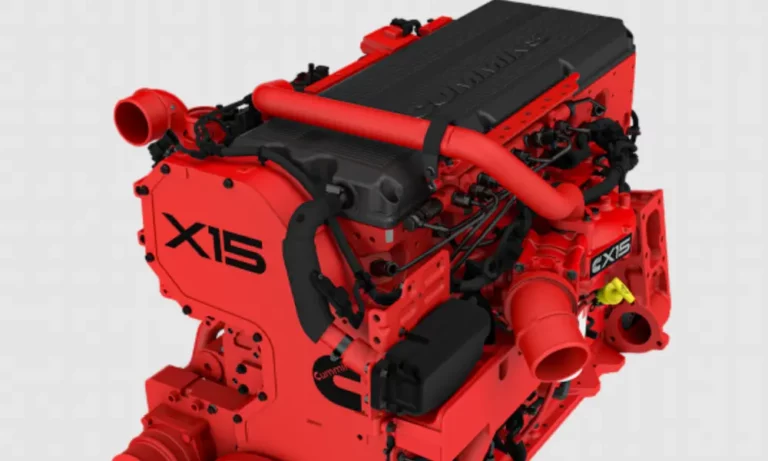
The Columbus Engine Plant handles a different job now — it manufactures cylinder blocks and heads for the ISX and X15 heavy-duty series. Meanwhile, the Cummins Industrial Center in Seymour, Indiana, focuses on high-horsepower platforms like the K19 and QSK19, used in marine and mining applications.
New York and North Carolina: Heavy-Duty Hubs
The Jamestown Engine Plant in New York builds the highest-horsepower engines for power generation and industrial use. It’s also a major assembly point for Class 8 truck engines.
Down in Rocky Mount, North Carolina, the Rocky Mount Engine Plant is getting a lot of attention lately. It’s the designated build site for the new B7.2 and X10 engine platforms — part of Cummins’ HELM (Hydrogen, Electric, Liquid, Multi-fuel) strategy. The X10 is designed to replace both the L9 and X12, making it a lighter and more efficient option for medium and heavy-duty customers.
Here’s a snapshot of the key U.S. manufacturing sites:
| Manufacturing Site | Primary Products | Location |
|---|---|---|
| Columbus Mid-Range Engine Plant | 6.7L Turbo Diesel for Ram trucks | Columbus, IN |
| Jamestown Engine Plant | Heavy-duty 15L and high-HP engines | Jamestown, NY |
| Rocky Mount Engine Plant | B7.2, X10 platforms | Rocky Mount, NC |
| Cummins Industrial Center | K19, QSK19, V903 | Seymour, IN |
| Charleston Facility | Marine engines, turbochargers | Charleston, SC |
| Fridley Plant | Generator sets, clean energy electrolyzers | Fridley, MN |
The Ram Truck Partnership: Why It’s Such a Big Deal
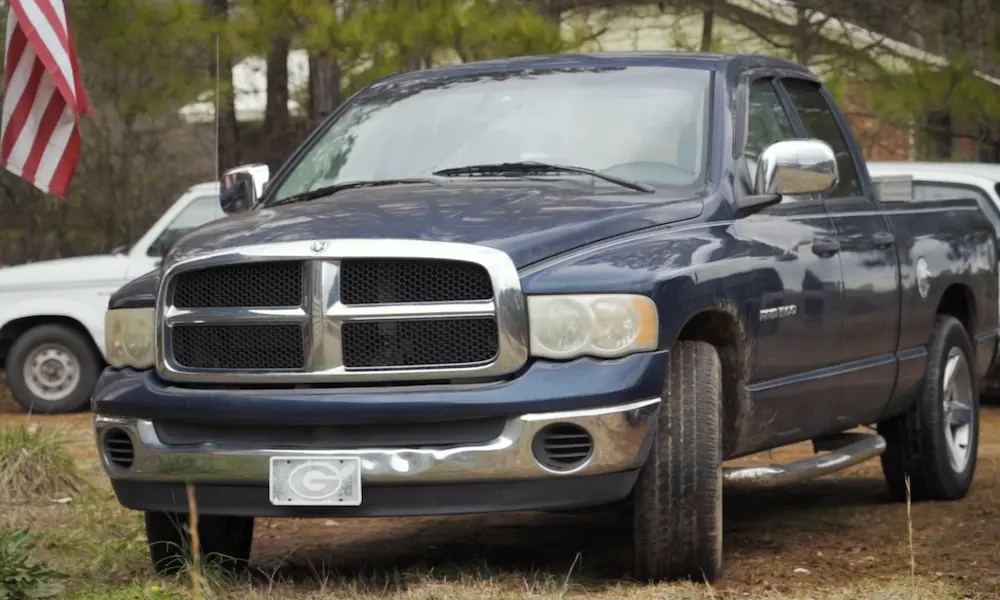
The Cummins-Ram relationship kicked off in 1989 and it’s still going strong. Almost 70% of Ram 2500 and 3500 buyers choose the Cummins diesel over the standard gasoline option. That tells you everything about customer loyalty.
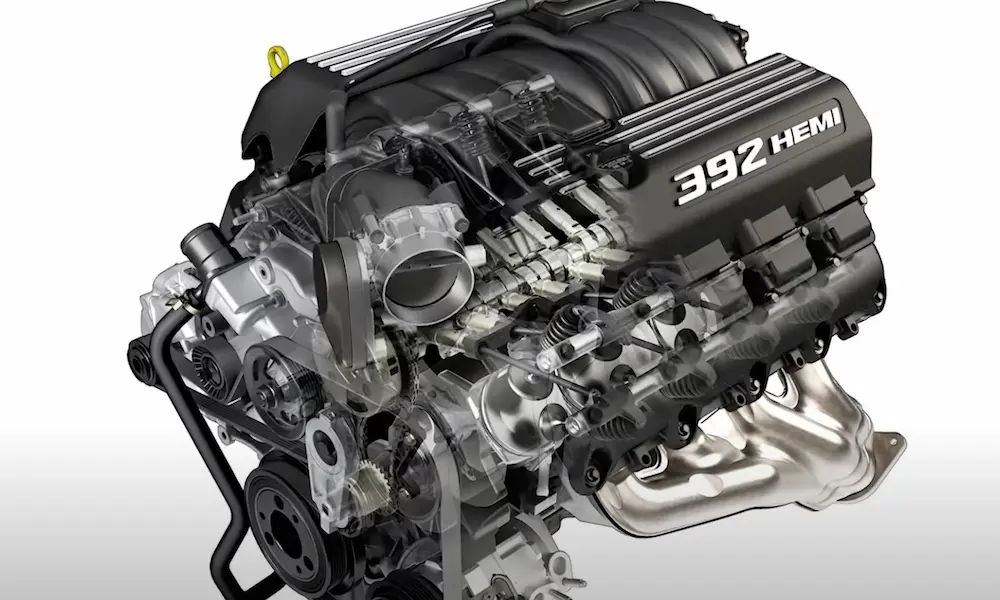
For the 2025 model year, the 6.7-liter inline-six produces 430 horsepower and 1,075 lb-ft of torque in its high-output configuration. Numbers like that don’t come from a light-duty car engine. This motor traces its roots to medium-duty commercial designs — it’s got a massive cast-iron block and an inline configuration that makes it straightforward to maintain and extremely durable.
That commercial-grade DNA is exactly why Ram diesel owners tend to rack up 300,000-plus miles and keep going.
The Nissan Titan XD: A Short-Lived Partnership
Between 2016 and 2019, Cummins briefly powered the Nissan Titan XD with a 5.0-liter V8 turbo diesel. The engine used a compacted graphite iron block and a two-stage turbocharger. Technically, it was impressive.
The idea was to slot the Titan XD between a half-ton and a three-quarter-ton truck. It didn’t quite land with buyers, and Nissan pulled the plug after the 2019 model year. The diesel Titan was assembled in Canton, Mississippi, while the engine itself came from the Columbus Engine Plant in Indiana.
Global Joint Ventures: Who Makes Cummins Engines Internationally?
Cummins uses joint ventures to manufacture engines for markets around the world. These partnerships combine Cummins technology with local manufacturing know-how.
China
China is Cummins’ biggest market outside the U.S. Three major partnerships operate there:
- Dongfeng Cummins (DCEC) — 50/50 JV with Dongfeng Motor, focused on medium and heavy-duty trucks
- Beijing Foton Cummins (BFCEC) — Light-duty diesel engines
- Chongqing Cummins (CCEC) — High-horsepower engines for mining and power generation
A fourth partnership with JAC Motors, formed in 2018, targets fuel-efficient engines for local commercial vehicles.
India
Cummins India traces back to a 1962 joint venture with the Kirloskar Group. Today it’s publicly traded, with Cummins Inc. holding a 51% stake. The standout partnership here is Tata Cummins Private Limited, a 50/50 deal with Tata Motors producing mid-range engines for on- and off-highway use.
India also hosts the Cummins Technical Centre India in Pune — more than 2,500 engineers work there on global product programs.
Japan
In Japan, Cummins partners with Komatsu Ltd. through the Komatsu-Cummins Engine Company in Oyama. This JV builds diesel engines for heavy construction and mining equipment. Cummins also partnered with Isuzu to develop a new 6.7-liter engine for the Japanese medium-duty truck market, with production targeted for 2026.
| Joint Venture | Partner | Focus |
|---|---|---|
| Dongfeng Cummins (DCEC) | Dongfeng Motor | China – Medium/Heavy Duty |
| Tata Cummins (TCPL) | Tata Motors | India – Mid-Range Engines |
| Komatsu-Cummins (KCEC) | Komatsu Ltd. | Japan – Off-Highway/Construction |
| Beijing Foton Cummins | Foton | China – Light Duty |
| Chongqing Cummins | Chongqing Machinery | China – High Horsepower |
What Cummins Engines Actually Power
You’d be surprised how many things run on Cummins power. The engine applications page covers everything from school buses to mining trucks. Here’s a quick breakdown:
On-Highway:
- Ram 2500/3500 pickups (6.7L)
- Class 8 long-haul trucks (X15, X15N)
- Transit buses and school buses (B6.7, L9)
- Medium-duty delivery trucks (L9, X10)
Off-Highway and Industrial:
- 400-ton mining haul trucks (QSK60, QSK95)
- Agriculture equipment and large tractors
- Marine vessels from ferries to tugboats
- Data center and hospital generator sets
- Fire apparatus and emergency vehicles
The X15N natural gas engine is worth a mention here — it’s Cummins’ answer for fleets that want lower carbon emissions without switching to electric.
What’s Next for Cummins
Cummins isn’t betting everything on one fuel type. Its HELM platform — short for Hydrogen, Electric, Liquid, Multi-fuel — lets the same basic engine architecture run on diesel, natural gas, hydrogen, or advanced biofuels. That’s a smart hedge against an uncertain energy future.
Through its Accelera segment, Cummins is also building electrolyzers for green hydrogen production at its Fridley, Minnesota, plant. The company’s long-term goal is net-zero emissions across its entire footprint by 2050.
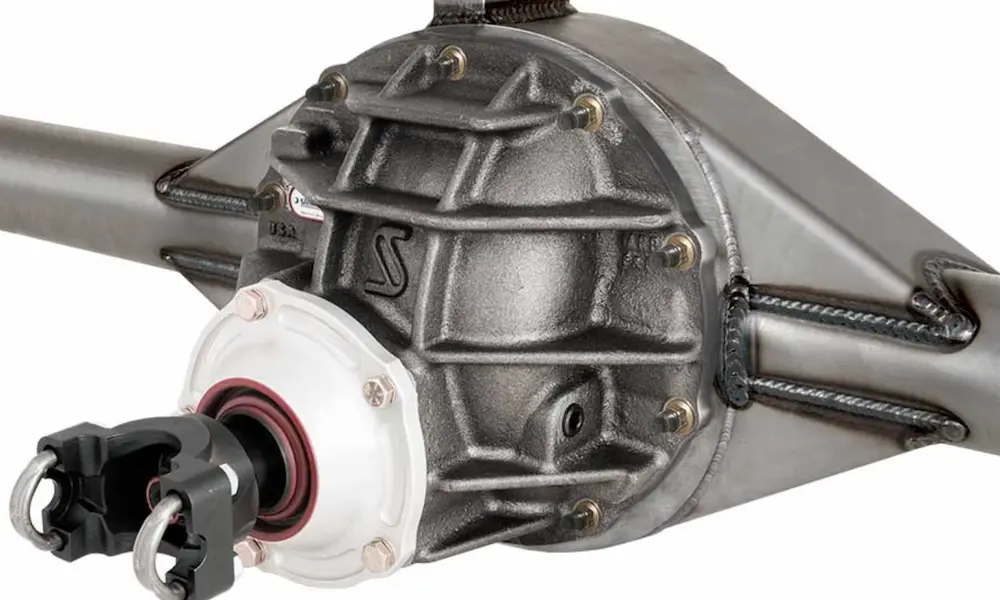
Recent acquisitions of Meritor and Jacobs Vehicle Systems push Cummins further into full powertrain territory — controlling everything from the engine to the axles. That kind of integration opens the door to serious efficiency gains as emissions standards tighten through the late 2020s and beyond.
Cummins engines dominate because the company controls what goes inside them — from turbochargers to aftertreatment systems — and because it’s built a global manufacturing network that keeps those engines running long after the warranty expires.