Picking the best Cummins engine year feels simple until you realize “best” means something different for every driver. A ranch truck owner wants something different from a highway hauler. This guide breaks it all down by generation, real-world failure modes, and what each era actually delivers. Read to the end — the answer might surprise you.
Why There’s No Single “Best” Cummins Year
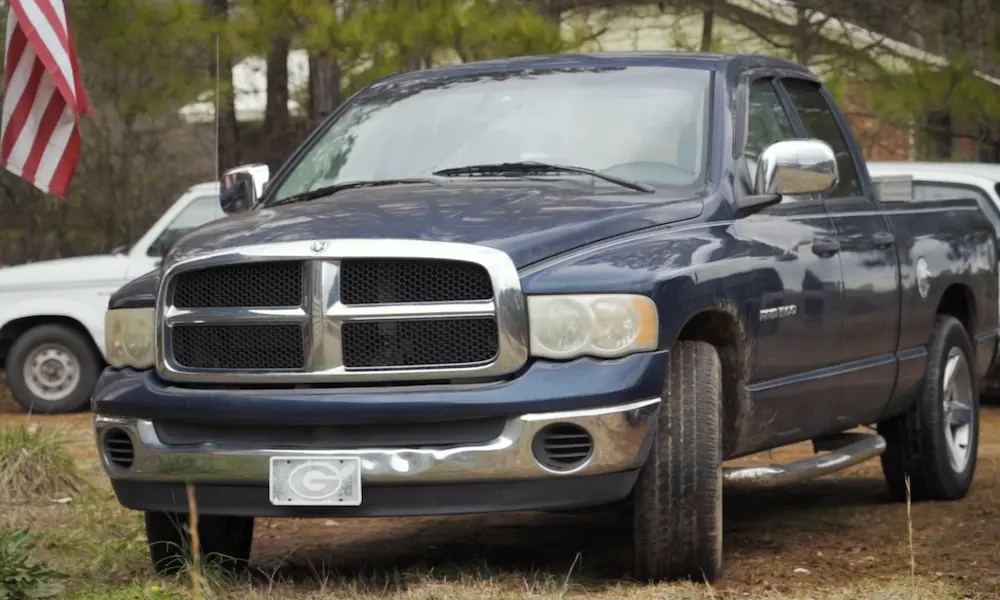
Cummins has powered Ram trucks since 1989. That’s over 35 years of evolution, and every generation brought something new — more torque, better refinement, and unfortunately, new problems.
The truth is this: the best Cummins engine year depends entirely on what you need the truck to do.
Here’s a quick breakdown before we go deep:
| Your Priority | Best Year Range |
|---|---|
| Mechanical simplicity & no electronics | 1994–1998 |
| Daily driving + performance tuning | 2006–2007 |
| Heavy towing with modern tech | 2013–2018 |
| Brand-new truck with warranty | 2025 |
Let’s go generation by generation.
1989–1993: The Original 12-Valve — Pure Mechanical DNA
The first Cummins-powered Dodge used the 5.9-liter 6BT with a Bosch VE rotary injection pump. No electronics. No computer. Give it air and a 12-volt signal, and it runs.
Output was modest — 160 horsepower and 400 lb-ft of torque. But in 1989, that crushed everything else in its class.
The 1991.5 upgrade matters. Early 1989–1991 models had no intercooler, which meant heat management was a real issue under load. Cummins added an air-to-air intercooler midway through 1991. That small change made a big difference for towing and exhaust gas temperature control.
Watch out for: The Getrag G360 5-speed transmission that came with these trucks needs to be overfilled by one quart. Skip that, and the input shaft bearings starve for oil and fail early.
1994–1998: The P7100 Era — The “Holy Grail” of Cummins Engines
Ask any diesel mechanic which is the best Cummins engine year, and most will point here without hesitation.
In 1994, Cummins swapped in the Bosch P7100 inline injection pump — commonly called the “P-pump.” Unlike the rotary VE pump, the P7100 uses a dedicated plunger and barrel for each cylinder. The result? More fuel volume, better precision, and nearly indestructible reliability.
These engines also got:
- Revised pistons with reworked fuel bowls for better combustion
- A shot-peened camshaft with wider lobes to reduce friction
- No emissions hardware whatsoever
The big draw for enthusiasts is that you can tune these engines with basic hand tools. Adjust the fuel plate. Change the governor springs. No expensive software needed.
The one thing you must fix: The Killer Dowel Pin (KDP).
The Killer Dowel Pin — Fix This Before Anything Else
This small steel pin aligns the timing gear housing during assembly. Over time, vibration and heat cycles cause it to “walk” out of its bore. If it falls into the timing gears, you’re looking at catastrophic engine failure — instantly.
This affects the entire 12-valve production run from 1989 to 1998, but the risk is higher on P-pump engines because the P7100 creates more rotational force. A KDP repair kit is cheap insurance. Don’t skip it.
1998.5–2002: The 24-Valve VP44 — Improved Airflow, Painful Pump
Midway through 1998, Cummins introduced the ISB engine with a 24-valve head and the Bosch VP44 electronic rotary injection pump. The head design improved airflow significantly. The pump… not so much.
The VP44 relies on fuel flowing through it for cooling and lubrication. When the factory lift pump fails — and it often does silently — the VP44 pulls fuel itself. It overheats. It seizes. It dies. Replacement costs are painful.
The fix: Install an aftermarket lift pump (FASS or AirDog) and add a fuel pressure gauge. These two upgrades essentially eliminate the VP44’s biggest weakness.
The “53 Block” Problem You Need to Know
Some 1998.5–2001 engines were cast by a Brazilian firm called Tupy. You can spot them by a large “53” stamped on the lower left side of the block. These blocks have thinner water jacket walls that crack under heavy towing or thermal shock.
A cracked 53 block leaks coolant externally and can’t be repaired — you need a new block. Look for engines with a “55” or “56” casting, or a Mexican Tupy block, which have thicker walls and better structural integrity.
| Component | 12-Valve P7100 (94–98) | 24-Valve VP44 (98.5–02) | 5.9L Common Rail (03–07) |
|---|---|---|---|
| Fuel System | Mechanical Inline Pump | Electronic Rotary Pump | High-Pressure Common Rail |
| Injection Pressure | ~17,000 PSI | ~23,000 PSI | ~24,000–26,000 PSI |
| Primary Weakness | KDP, 5th Gear Nut | VP44, 53 Block, Lift Pump | Injectors, 48RE Auto |
| Emissions Hardware | None | None | Catalytic Converter |
2003–2007: The 5.9L Common Rail — The Daily Driver Sweet Spot
This is where the 5.9L Cummins hit its stride. The High-Pressure Common Rail (HPCR) system separated fuel pressure generation from injection timing. That allowed multiple injection pulses per combustion cycle — pilot, main, and post — dramatically reducing diesel clatter and improving cold starts.
The Bosch CP3 high-pressure pump powering this system is a benchmark for common-rail reliability. It’s significantly more robust than the outgoing VP44.
Why 2006–2007 stands out specifically:
- Highest factory output for the 5.9L: 325 hp and 610 lb-ft of torque
- Advanced electronics that support tuning via platforms like EFI Live
- No DPF or EGR — these were the last “pre-emissions” 5.9L engines
- Real-world highway fuel economy of 17–20 MPG
For daily drivers and performance enthusiasts who want modern refinement without emissions headaches, the 2006–2007 5.9L is arguably the best Cummins engine year ever made.
One weakness to watch: The factory 10-micron fuel filter isn’t enough. Many owners upgrade to a 2-micron secondary filter to prevent injector erosion.
2007.5–2012: Early 6.7L — Big Power, Bigger Headaches
Cummins bumped displacement to 6.7 liters in mid-2007 to meet tighter EPA standards. The new engine brought an EGR cooler, a Diesel Particulate Filter, and a Holset Variable Geometry Turbocharger. The integrated exhaust brake alone transformed downhill towing control.
But these early years had serious growing pains.
Without Selective Catalytic Reduction (SCR), the engine leaned hard on EGR to control NOx. That meant:
- Excessive soot buildup in the intake manifold
- Frequent VGT actuator failures
- DPF clogging, especially on short trips and light-duty use
These trucks work best for heavy towing cycles that keep exhaust temps high enough for passive DPF regeneration. Light-duty or city use makes these years maintenance-heavy.
2013–2018: The 6.7L Sweet Spot for Modern Diesel Buyers
The 2013 model year changed everything for the 6.7L. SCR technology and Diesel Exhaust Fluid replaced the aggressive EGR strategy. The engine could now be tuned for efficiency, leaving NOx control to the DEF system.
What you get with 2013–2018:
- Up to 385 hp and 930 lb-ft of torque
- The proven CP3 injection pump
- Final availability of the G56 6-speed manual
- Significantly reduced soot load on internal components
- Improved DPF reliability compared to early 6.7L models
For anyone who needs serious towing capability with modern technology and doesn’t want to gamble on fifth-generation issues, 2013–2018 is the best Cummins engine year in the 6.7L lineup.
2019–2024: Fifth Gen — 1,000 lb-ft and Two Big Problems
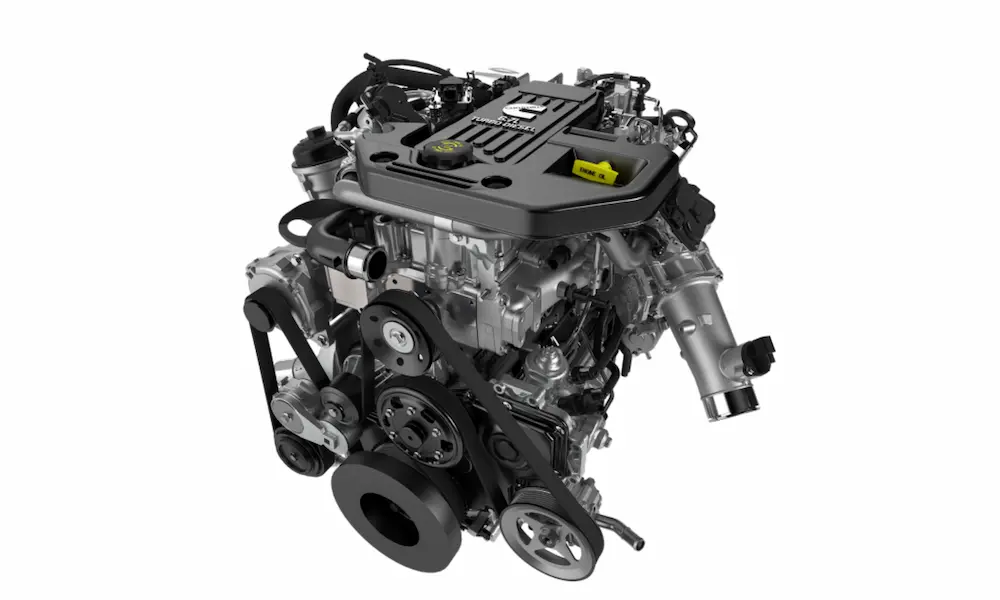
The 2019 Ram HD redesign pushed the High-Output Cummins to 1,000 lb-ft of torque. Cummins upgraded to a Compacted Graphite Iron block that’s stronger and lighter than traditional gray iron. Impressive on paper.
But two problems surfaced fast.
Problem 1: The CP4 Pump Disaster (2019–2020)
Cummins switched from the CP3 to the Bosch CP4.2 high-pressure fuel pump. The CP4.2 has a documented failure where internal metal shavings contaminate the entire fuel system. The recall was massive. Cummins reverted to an updated CP3 pump for 2021.
Avoid 2019–2020 unless the fuel system has already been addressed.
Problem 2: Hydraulic Roller Lifter Failures (2019+)
The switch from solid flat tappets to hydraulic roller lifters introduced a nasty failure mode. Rollers seize and destroy the camshaft — sometimes in under 10,000 miles. A TSB advises using 10W-30 oil instead of 15W-40 to prevent deposit formation in the hydraulic adjusters.
The Grid Heater “Bolt of Death” — All 6.7L Owners Need to Know This
Every 6.7L Cummins from 2007.5 through 2024 carries this risk. The grid heater’s terminal stud sits inside the intake plenum. Heat cycling and high electrical current — up to 200 amps — can cause the stud to arc, deteriorate, and break. If the nut drops into the intake manifold, cylinder 6 ingests it. The result is a destroyed piston, bent valves, and a wrecked cylinder head.
A periodic wiggle test on the terminal stud catches a loose stud before disaster. Many owners install aftermarket grid heater delete kits as a permanent fix.
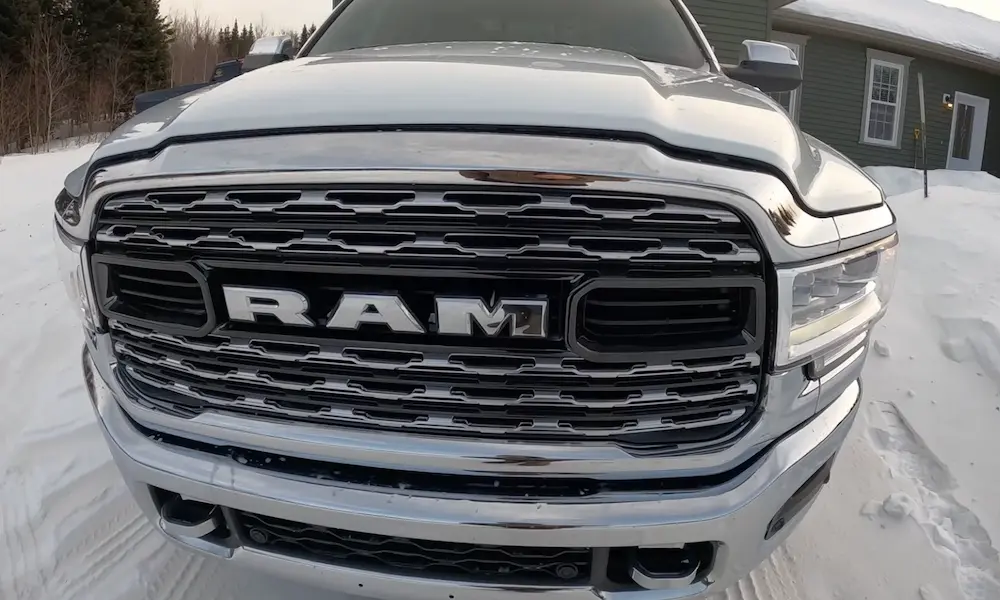
2025: The Redesign That Fixes 15 Years of Complaints
The 2025 Ram HD brought changes that diesel owners have demanded for years.
Cummins ditched the grid heater entirely in favor of glow plugs. That single change eliminates the “bolt of death” failure mode that plagued every 6.7L since 2007.5. The block reverted to gray iron for better NVH characteristics and easier manufacturing.
The biggest drivability upgrade is the ZF Powerline 8-speed automatic transmission, which replaces the aging 68RFE and the Aisin 6-speed across the entire HD lineup. ZF claims a 30% improvement in acceleration through skip-shifting and 10% better fuel economy. Early real-world testing shows 18.8 MPG highway, which is genuinely impressive for a heavy-duty diesel.
The caveat? It’s a first-year adoption. Long-term reliability data on the new head design and ZF transmission doesn’t exist yet. If you can wait, give it a year or two.
Fuel Economy Reality Check by Generation
| Engine Series | Avg. Highway MPG | Emissions Hardware | Maintenance Level |
|---|---|---|---|
| 12-Valve (89–98) | 19–22 | None | Low |
| 24-Valve VP44 (98.5–02) | 17–19 | None | Moderate |
| 5.9L Common Rail (03–07) | 17–20 | Catalytic Only | Moderate |
| Early 6.7L (07.5–12) | 13–15 | EGR, DPF, VGT | High |
| Mid 6.7L (13–18) | 15–18 | EGR, DPF, SCR, DEF | High |
| 5th Gen 6.7L (19–24) | 16–18 | Full Suite | Very High |
| 2025 6.7L | 18.8 (tested) | Reworked SCR/DPF | Moderate (improved) |
The 5.9L consistently wins on fuel efficiency because it carries no emissions parasitic losses. For fleet owners and long-haul operators, the lower cost-per-mile on a well-maintained 5.9L common rail often outweighs the higher torque numbers of the 6.7L.
Transmission Pairing Matters as Much as the Engine
The Cummins engine frequently outlives the transmission it came with. Choosing the right pairing protects your investment.
| Transmission | Years Active | Known Issue | Best Paired With |
|---|---|---|---|
| NV4500 5-speed | 1994–2005 | 5th gear nut back-off | 2nd Gen 12V/24V |
| NV5600 6-speed | 1999–2005 | Heavy, hard to rebuild | 2nd Gen 24V HO |
| G56 6-speed | 2005.5–2018 | Dual-mass flywheel failure | 3rd/4th Gen |
| 48RE 4-speed | 2003–2007 | Governor solenoid issues | 5.9L Common Rail |
| 68RFE 6-speed | 2007.5–2024 | Overdrive clutch/valve body | Standard 6.7L |
| Aisin AS69RC | 2013–2024 | Harsh shifts, high cost | High-Output 6.7L |
| ZF 8-speed | 2025–present | First-year unknowns | All 2025 models |
The G56 manual is revered for smooth shifting, but its dual-mass flywheel can’t handle much power modification. If you’re tuning, budget for a single-mass flywheel conversion and a dual-disc clutch.
The 68RFE is adequate at stock power levels but needs valve body maintenance and a torque converter upgrade if you push it hard.
The Final Answer: Best Cummins Engine Year by Use Case
Stop looking for one universal answer. Pick the year that matches your actual mission.
You want simple, bulletproof mechanical reliability:
Go with the 1994–1998 12-valve P-pump. Fix the KDP, install a lift pump, and this engine will outlast everything around it. The aftermarket support is unmatched, and you can tune it with a screwdriver.
You want the best daily driver that still loves to perform:
The 2006–2007 5.9L common rail is your answer. It’s the last pre-emissions 5.9L, hits 325 hp and 610 lb-ft from the factory, tunes easily, and gets 17–20 MPG. Hard to beat.
You need serious modern towing capacity:
The 2013–2018 6.7L is the most mature emissions-equipped Cummins. SCR technology cleaned up the EGR problems of the early 6.7L, and the CP3 pump proved itself reliable across hundreds of thousands of miles.
You’re buying new and want cutting-edge tech:
The 2025 Ram HD with the 6.7L addresses the grid heater problem that dogged every 6.7L since 2007.5 and pairs it with the ZF 8-speed transmission. It’s promising — just wait for real-world long-term data before committing.
Every Cummins generation has something worth respecting. Every one also has at least one thing worth watching closely. Know what you’re getting into, fix the known issues proactively, and a Cummins-powered Ram will serve you for decades.