That annoying whine when you hit the gas pedal? It’s not going away on its own. Your RAM 1500 is trying to tell you something, and ignoring it could turn a $200 fix into a $3,000 nightmare. Let’s figure out what’s causing that noise and how to fix it before your wallet takes a serious hit.
What’s That Whining Sound Actually Telling You?
A whining noise when accelerating isn’t just irritating—it’s your truck’s early warning system. The sound changes based on what’s failing. Does it whine only when you speed up? Gets louder at highway speeds? Changes when you turn the wheel?
These details matter. A lot.
The most common culprits include your transmission begging for fluid, a differential that’s eating itself alive, or belt-driven parts screaming for replacement. If you’ve got a 2019 or newer RAM 1500, there’s a good chance your eTorque system is the troublemaker.
Before you start throwing parts at the problem, spend five minutes documenting when the noise happens. This simple step will save you hours of diagnostic work.
eTorque System: The New Kid With Problems (2019+ Models)
If you bought your RAM 1500 in 2019 or later with the eTorque mild-hybrid system, congratulations—you’ve got a unique set of headaches to consider. The eTorque Motor Generator Unit (MGU) is basically an oversized alternator on steroids, and it’s notorious for developing bearing problems.
The MGU Bearing Failure Story
Here’s what happens: the MGU’s bearings start wearing out, creating a whine that’s most noticeable at idle and during cold starts. The noise typically kicks in around 750-1000 RPM and might actually quiet down once you’re cruising at highway speeds.
Both 3.6L and 5.7L eTorque engines experience this issue, but the 5.7L seems to hate its MGU bearings more. One forum user described it as a “jet engine spooling up” sound that made passengers ask what was wrong with the truck.
The silver lining? MGU replacements are often covered under the emissions warranty, which extends to 8 years or 80,000 miles in many states. That’s right—a $2,000-4,000 repair might cost you nothing if you’re still covered.
eTorque Idler Pulley Issues
The eTorque belt system includes an idler pulley that can also develop bearing wear. This creates a whining noise that follows your engine RPM like a faithful—and extremely annoying—companion.
Unlike MGU problems, idler pulley repairs might not get warranty coverage. The good news is that the replacement cost is significantly lower, usually a few hundred bucks instead of several thousand.
Your Transmission Might Be Crying for Help
Transmission whine affects all model years of RAM 1500 trucks. It’s that speed-related whining that gets worse as you accelerate—like your truck is complaining about going faster.
Low Transmission Fluid: The Easy Fix
Before you panic about expensive transmission repairs, check the fluid level. Seriously. Low transmission fluid is the most common cause of transmission whining, and it’s the cheapest fix you’ll find.
Here’s how to check it properly:
- Warm up the engine by driving for 10-15 minutes
- Park on level ground with the engine running
- Follow your owner’s manual procedures exactly
- Look for pink or red fluid that’s not dark or burnt-smelling
If the fluid’s low, top it off with the correct type and see if the whining stops. Sometimes the simplest solution is the right one.
When It’s More Than Just Fluid
If fluid levels are fine, you might be dealing with worn bearings, planetary gears, or a failing transmission pump. These problems don’t fix themselves—they just get louder and more expensive.
The whining from internal transmission damage usually increases with vehicle speed. You might also notice rough shifting, delayed engagement, or that gut-sinking feeling that something’s seriously wrong. Trust that feeling.
Differential Problems: The RAM 1500’s Achilles Heel
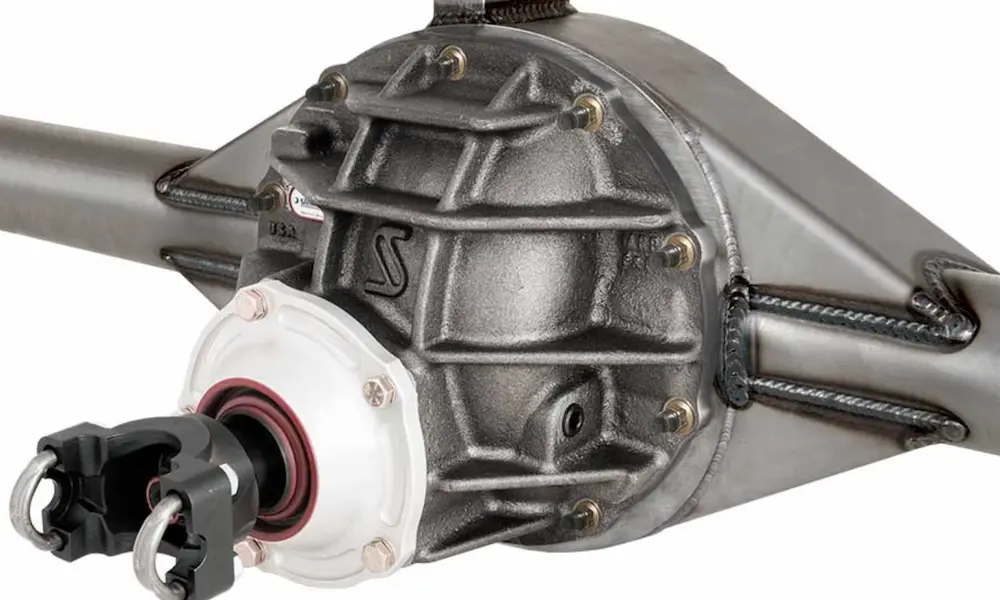
Let’s be honest: RAM trucks have a reputation for differential issues. The rear differential can develop pinion bearing failures that start as a faint whine and progress to a howl that drowns out your radio.
Pinion Bearing Failure Warning Signs
Pinion bearing problems create a distinctive whine that becomes more noticeable during acceleration or coasting. The noise usually starts once you’re moving and changes with vehicle speed, not engine RPM.
Here’s the progression most owners experience:
- Faint whine at highway speeds (easy to ignore)
- Noticeable whine during acceleration (starting to worry)
- Loud howling that everyone in the truck hears (definitely worried)
- Grinding sounds (now you’re in big trouble)
Don’t wait until stage four. Seriously.
Differential Fluid Maintenance Matters
When’s the last time you changed your differential fluid? If the answer is “never” or “I don’t know,” you’re asking for problems.
Regular differential service every 30,000-50,000 miles can prevent many bearing issues. If you’ve noticed fluid leaks around the differential, fix them immediately. Running low on gear oil destroys bearings faster than you’d think possible.
| Differential Service Schedule | Action Required |
|---|---|
| Every 30,000 miles (severe use) | Complete fluid change |
| Every 50,000 miles (normal use) | Complete fluid change |
| Any visible leak | Immediate inspection and repair |
| After water exposure | Immediate fluid change |
Belt-Driven Components: Simple But Sneaky
Problems with belt-driven accessories create whining noises that increase with engine RPM. These components—alternator, water pump, AC compressor, and various pulleys—all spin when your engine runs.
The Belt Removal Test
Here’s a diagnostic trick that works: briefly remove the serpentine belt and run the engine for 20-30 seconds. Warning: Only do this for a very short time to avoid overheating.
If the whining noise disappears, you’ve just narrowed down the problem to a belt-driven component. Now you need to figure out which one.
Alternator Bearing Failure
Alternator bearings can fail and produce whining noises that match engine RPM. You might also notice dimming lights, dashboard warning lights, or poor battery charging.
Replacement costs typically run $300-800, depending on whether you choose OEM or aftermarket parts. It’s not cheap, but it beats getting stranded with a dead battery.
Other Belt-Driven Culprits
Don’t forget about the water pump, AC compressor, and tensioner pulley. Each can develop bearing problems that create whining noises. A failing water pump might also show coolant leaks or overheating symptoms.
The tensioner pulley is particularly sneaky—it’s cheap and easy to replace, but it can create a whine that sounds like something much more expensive is failing.
Wheel Bearing Problems: The Corner Whiner
Wheel bearing issues create whining noises that change characteristics when you turn or might be isolated to one side of your truck. These problems typically become more noticeable at highway speeds.
Here’s how to test for wheel bearing problems:
- Listen while driving straight—note the whining pitch
- Turn left—if the noise changes or quiets, the right side bearing might be bad
- Turn right—if the noise changes or quiets, the left side bearing might be bad
You might also feel vibration in the steering wheel or notice the truck pulling slightly to one side. Wheel bearing failure isn’t something to mess around with—it affects your truck’s handling and safety.
How to Actually Diagnose Your Whining Noise
Stop guessing and start diagnosing systematically. Here’s the approach that actually works:
Step 1: Document Everything
Write down when the noise occurs. Is it constant or intermittent? Does it change with speed, RPM, or steering input? Does temperature affect it?
Step 2: Check for Recalls
This is especially important for 2019+ eTorque models. RAM has issued recalls and Technical Service Bulletins for various eTorque problems. Your whining noise might already have a factory fix waiting.
Step 3: Basic Fluid Checks
Check transmission fluid, differential fluid, and power steering fluid. Low levels in any of these systems can create whining noises. This takes 15 minutes and might save you a diagnostic fee.
Step 4: Belt Removal Test
If you’re comfortable doing it, the belt test quickly identifies belt-driven component issues. Just remember to only run the engine briefly without the belt.
Step 5: Listen Carefully
Is the noise coming from the front or rear? Left or right side? Engine bay or underneath? Narrowing down the location helps mechanics diagnose faster—and faster diagnosis means lower labor costs.
Step 6: Professional Tools
Mechanics use chassis stethoscopes and electronic diagnostic tools to pinpoint exact noise sources. Sometimes you need professional help, and that’s okay.
What This Might Cost You
Let’s talk numbers because knowing potential costs helps you make informed decisions.
eTorque MGU replacement: $2,000-4,000 (often covered under emissions warranty)
Transmission repairs:
- Fluid change: $150-300
- Solenoid replacement: $300-800
- Complete rebuild: $2,500-4,000
Differential repairs:
- Fluid change: $100-200
- Pinion bearing replacement: $500-1,200
- Complete rebuild: $1,500-2,500
Belt-driven components:
- Serpentine belt: $75-150
- Alternator: $300-800
- Water pump: $400-900
- Idler/tensioner pulley: $100-300
Wheel bearings: $200-500 per wheel
Always check your warranty coverage before authorizing repairs. Many eTorque issues qualify for extended warranty coverage through the emissions warranty system. Some problems might be subject to NHTSA recalls or Technical Service Bulletins that make RAM cover the repair.
The Bottom Line on RAM 1500 Whining Noises
That whining noise when accelerating isn’t going to fix itself. The longer you wait, the more expensive the repair becomes. A $200 fluid change can turn into a $3,000 transmission rebuild if you ignore the warning signs.
Start with the basics: check fluids, inspect belts, and document when the noise occurs. If you’ve got a 2019+ eTorque model, get to the dealer fast because warranty coverage makes a massive difference in repair costs.
The key is prompt diagnosis and action. Your RAM 1500 is telling you something’s wrong—listen to it before that whine becomes a wallet-draining catastrophe. When in doubt, find a mechanic who knows RAM trucks inside and out. Experience with these specific vehicles makes all the difference in accurate diagnosis.
Don’t be the owner who ignored the whining until something catastrophic failed. Be the smart owner who caught the problem early and saved thousands.