That flashing DPF light is staring you down, and you can’t find the switch to do anything about it. This guide breaks down exactly where the 6.7 Cummins manual regen switch lives — whether you’re in a Ram pickup, a chassis cab, a Freightliner M2, or a Kenworth. Read to the end, because the location changes dramatically depending on your truck.
What Is a Manual Regen Switch (and Why Do You Need It)?
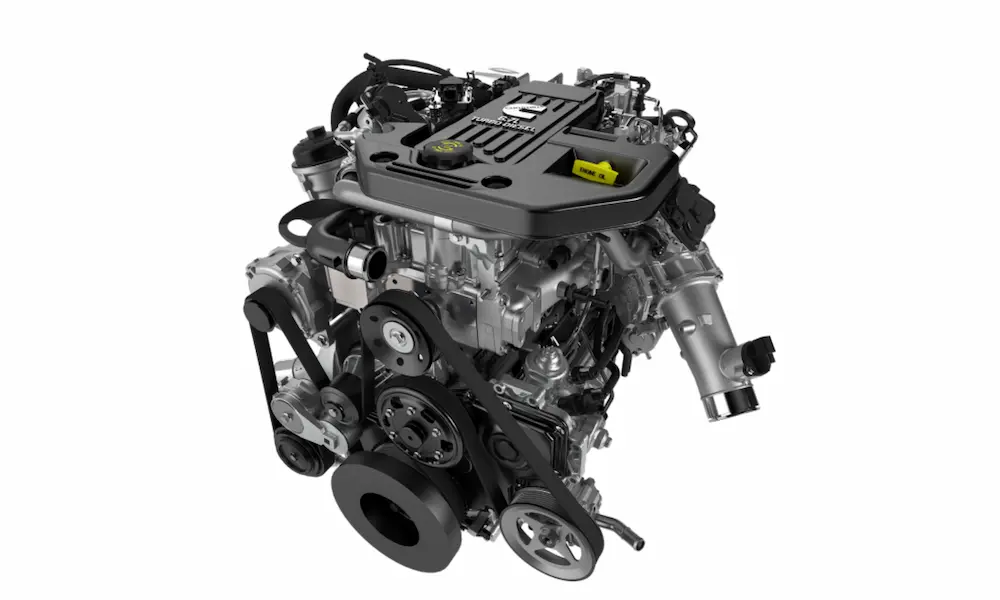
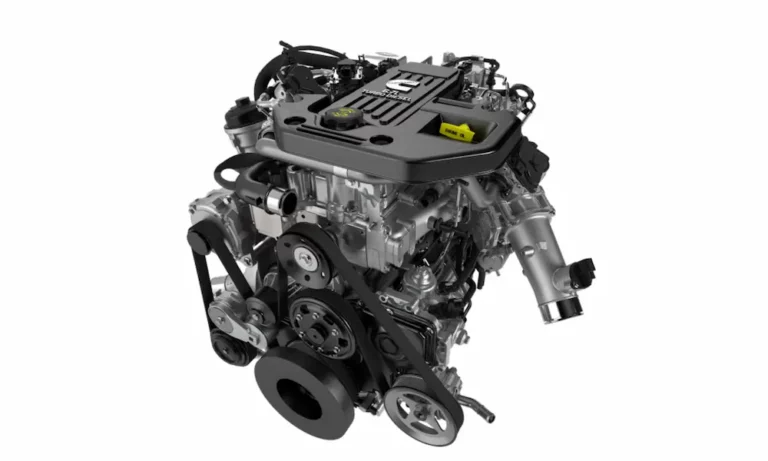
Your 6.7 Cummins captures soot inside the diesel particulate filter (DPF). Over time, that soot builds up and chokes the exhaust system. The engine normally burns it off automatically — but if you idle a lot, run short trips, or do low-speed vocational work, the automatic system can’t finish the job.
That’s where the manual regen switch comes in. It lets you command a stationary, high-heat cleaning cycle while the truck sits parked. There are actually four cleaning modes in total:
| Regen Mode | Who Starts It | Truck State | How It Works |
|---|---|---|---|
| Passive | Nobody — it just happens | Moving, under load | Natural heat burns soot |
| Active | Engine computer | Moving | Fuel doses into exhaust to create heat |
| Parked (Manual) | You, via switch | Parked | Controlled high idle raises exhaust temp |
| Forced (Service) | Diagnostic scan tool | Parked | Software overrides safety blocks |
The manual switch handles that third mode. Now, let’s find it.
6.7 Cummins Manual Regen Switch Location: Ram 2500 and 3500 Pickup Trucks
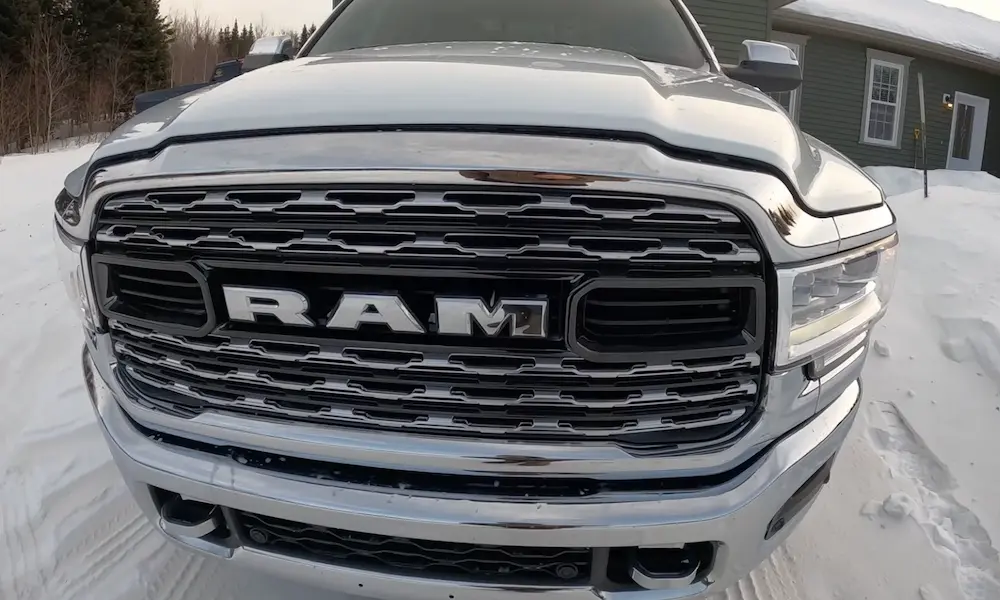
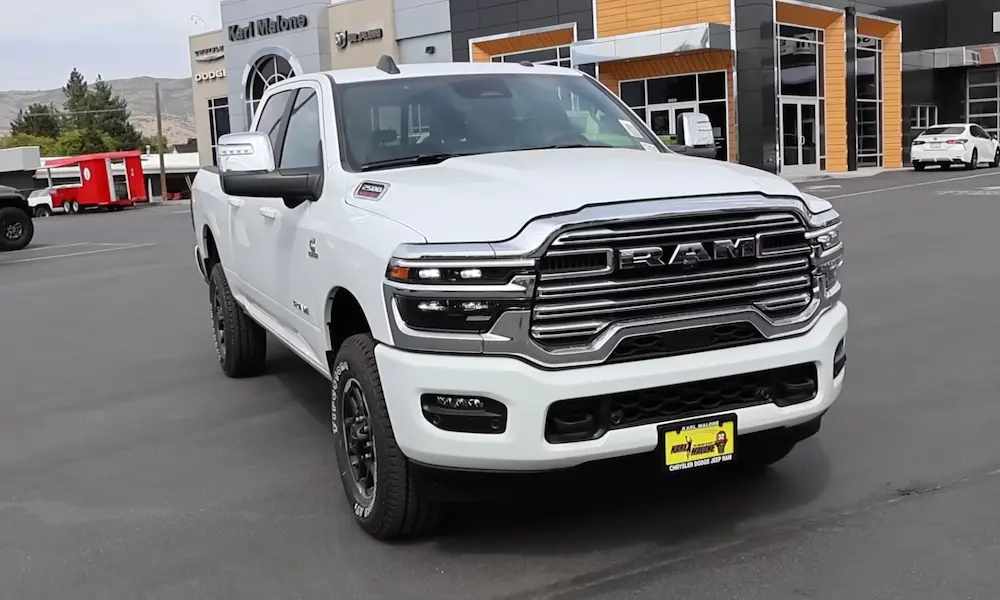
Here’s the short answer for Ram pickup owners: there is no physical manual regen switch on a standard Ram 2500 or 3500.
Ram designed these trucks assuming you’d drive them enough on highways that the automatic system handles everything. When the filter fills up, the instrument cluster simply tells you to “Drive at Highway Speeds.”
So What Do You Do Instead?
Your options are:
- Drive it. Highway speeds at sustained load will trigger an active regen on its own.
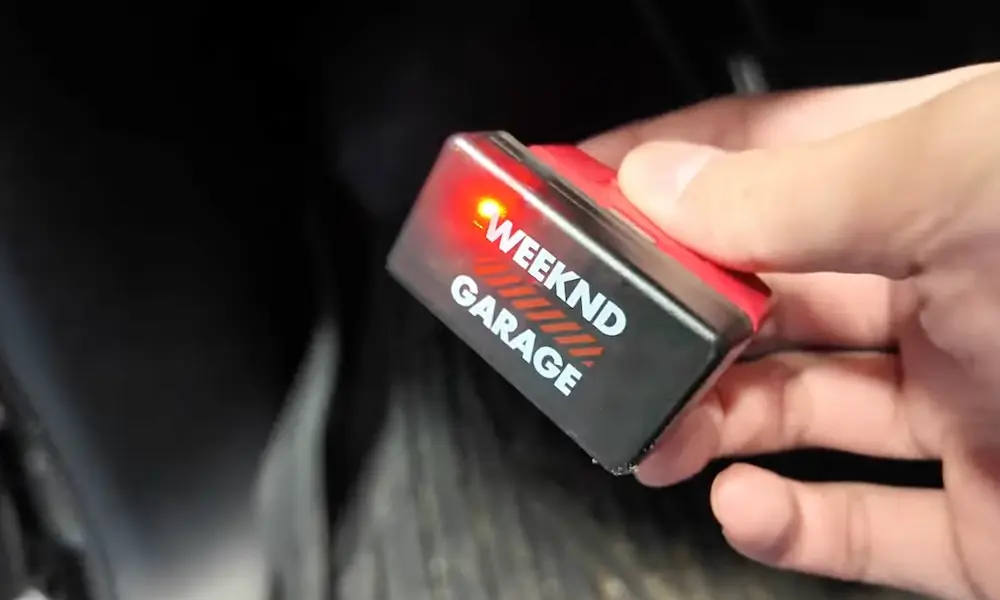
- Use a scan tool. Connect an OBD-II scanner with bi-directional capability to the diagnostic port under the driver’s side dash. Navigate to the DPF forced regen function and command it from there.
This step-by-step tutorial from DieselScanners walks through exactly how to run a forced regen using diagnostic software on a Cummins engine. It’s your best substitute for the missing physical switch.
What About Uconnect or the Instrument Cluster Menu?
A lot of Ram owners dig through the Uconnect infotainment menus looking for a hidden regen button. It’s not there. Ram’s own documentation confirms that Uconnect handles cabin comfort and vehicle settings — not parked regeneration for consumer trucks. The cluster display shows your soot load status, but it doesn’t offer a “start regen” button in standard pickup configurations.
6.7 Cummins Manual Regen Switch Location: Ram 3500, 4500, and 5500 Chassis Cab
This is where things get easier. Chassis cab trucks are built for vocational work — deliveries, utility trucks, dump bodies, ambulances. Ram recognizes that these trucks idle constantly, so they include a dedicated manual regen switch in the lower bank of auxiliary switches on the center stack.
Finding the Switch
Look at the lower portion of your instrument panel, below the climate controls. On most chassis cab models, you’ll see up to five programmable auxiliary switches here. The regen switch carries a DPF filter icon or the word “REGEN.” It’s typically part of a factory “Vocational” or “Manual Regen” package specified at the time of order.
Some specialty upfits — ambulances, fire apparatus — move the switch to a centralized control panel near the radio to improve access during operations. If you can’t find it on the center stack, check any secondary switch panel installed by the upfitter.
| Vehicle | Switch Present? | Location | Backup Method |
|---|---|---|---|
| Ram 2500 Pickup | No | N/A | Scan tool |
| Ram 3500 Pickup | No | N/A | Scan tool |
| Ram 3500 Chassis Cab | Yes (if optioned) | Lower switch bank | Instrument cluster menu |
| Ram 4500/5500 | Yes (standard) | Lower switch bank | Integrated dash button |
6.7 Cummins Manual Regen Switch Location: Freightliner M2 106
The Freightliner M2 106 is one of the most common platforms running the 6.7 Cummins (labeled the B6.7 in this application). The switch placement here is well-standardized across fleets.
Classic M2: Right Side of the Dashboard
On standard M2 106 models, the manual regeneration request switch sits on the dashboard to the right of the steering wheel, within the main control panel cluster. It’s usually a rocker-style or paddle-style switch. On manual transmission models, it sits among other vocational controls like the marker interrupt or air restriction indicators.
Newer M2 Plus (NextG Dash): It’s Gone Digital
If you’re in a newer NextG or M2 Plus model, the physical switch has been replaced by a digital menu inside the instrument cluster. You navigate using the steering wheel-mounted buttons, find the “Diesel Particulate Filter” section, and the display prompts you to press OK to start the regen — once all safety conditions are met.
Don’t Forget the Inhibit Switch
Many Freightliner M2 trucks have a separate Regen Inhibit switch alongside the request switch. This is a three-position (Start/Neutral/Stop) or dual-switch setup. The inhibit function blocks automatic active regens — critical when you’re working near flammable materials or inside a building. Never skip this one.
6.7 Cummins Manual Regen Switch Location: Kenworth and Peterbilt
Kenworth and Peterbilt trucks share a lot of mechanical DNA (both are Paccar brands), but their cab layouts differ in important ways.
Kenworth T270 and T370 (and T380/T480)
The manual regen switch on Kenworth T270 and T370 models is a rocker-type switch with a lit filter icon, located in the primary switch cluster to the right of the steering column. It’s one of the more prominent buttons on the dash — hard to miss once you know what the icon looks like.
One quirk of Kenworths: the dash features editable telltale card slots on the right-hand cluster. Kenworth’s body builder documentation explains that upfitters can move indicator icons to these removable card positions. On heavily customized vocational Kenworths, the regen light may appear in a non-standard location depending on what the upfitter installed.
Peterbilt 337 and 220
The Peterbilt 337 mirrors the Kenworth T370 layout — center or right-side dash panel. The Peterbilt 220 cab-over model is different. Peterbilt’s own aftertreatment documentation shows the regen switches mounted in the roof console on the 220, which physically separates emissions controls from primary driving switches and reduces accidental engagement.
How to Actually Push the Button
On Paccar trucks, a quick tap isn’t enough. You need to hold the switch in the “START” direction for 4 to 8 seconds for the system to register the request. If you only tap it, the indicator light blinks to tell you it received your input — but it won’t start. Hold it down.
Dashboard Warning Lights: What They’re Telling You
Before you touch any switch, you need to read the lights correctly. Truckscanners’ breakdown of diesel regeneration symbols explains what each icon means:
| Symbol | What It Looks Like | What It Means |
|---|---|---|
| Filter with dots (solid) | Rectangular filter icon | Soot is building up; start driving harder |
| Filter with dots (flashing) | Same icon, blinking | Critical soot load; do a parked regen now |
| Exhaust pipe with heat waves | Pipe with rising waves (HEST) | Regen is active; exhaust is extremely hot |
| Filter with downward arrow | Filter icon + arrow | Vehicle must be parked to clean the filter |
| Wrench or exclamation mark | Standard fault icons | System fault; manual regen may be blocked |
The Cummins Driver Lamp Identification guide also covers these symbols in detail and is worth bookmarking.
How to Actually Do a Parked Regen (Once You Find the Switch)
Finding the switch is step one. Getting the engine to accept your request is step two. The 6.7 Cummins checks several conditions before it allows the cycle to start.
Park in the Right Spot First
The exhaust hits extreme temperatures during a regen. Cummins and Tracey Road Equipment both emphasize that you must avoid parking over dry grass, brush, or near anything combustible. Point the exhaust pipe away from walls, vehicles, or any structure. Ventilated, open areas only.
Meet All the Interlock Conditions
The engine control module checks these before it lets you proceed:
- Transmission: Park (automatic) or Neutral (manual)
- Parking brake: Fully set — some systems want you to set, release, and reset it to confirm the sensor
- Engine temperature: Coolant must be at least 140–180°F (normal operating temp)
- Pedals: Don’t touch the accelerator, brake, or clutch
- PTO and fast-idle switches: All must be off
Hold the Switch and Watch the RPMs
Once everything checks out, press and hold the manual regen switch for 4 to 10 seconds depending on your truck. Successful initiation sounds obvious — the engine climbs to 1,100 to 1,800 RPM, and you’ll hear the turbo pitch change as the system ramps up exhaust heat. The HEST lamp (exhaust pipe with heat waves) will illuminate to confirm it’s running.
Why the Switch Might Not Work
Even with the right switch in hand, the regen can still fail to start. Here’s what to check:
- Faulty sensor in the interlock chain. A bad parking brake switch or neutral safety switch sends the ECM the wrong signal. It refuses the request. Forum discussions on r/DieselTechs confirm this is a common culprit.
- Blown fuse. A failed fuse in the power distribution center can cut power to the aftertreatment control circuit entirely.
- Filter too clean. If your soot load is below the threshold, the ECM rejects the request to avoid unnecessary thermal stress on components.
- Filter too full. If soot exceeds 100% capacity (“face-plugged”), the system blocks the manual regen to prevent filter damage or fire risk. At this point, you need a professional forced regen via Cummins INSITE or a physical filter cleaning at a service center.
Using a Scan Tool When There’s No Physical Switch
For Ram 2500/3500 pickup owners and any situation where the manual switch won’t cut it, a scan tool is the path forward.
Cummins INSITE is the factory-level software. You connect a diagnostic laptop to the OBD-II port using an adapter like a Nexiq USB-Link, open INSITE, navigate to ECM Diagnostic Tests → Aftertreatment → DPF Regeneration, and follow the prompts. The software walks you through every interlock step and commands the cycle directly.
Universal scanners from Snap-on, Diesel Tech Pro, or similar brands offer the same capability across multiple makes — useful if you maintain a mixed fleet. Consumer-grade OBD-II scanners with bi-directional control work too, though with less detail.
| Tool | Best For | Connection | Function |
|---|---|---|---|
| Physical dash switch | Vocational drivers | Dashboard | Routine parked regen |
| Cummins INSITE | Service techs | Diagnostic port | Professional forced regen |
| Universal scanner | Fleet maintenance | Diagnostic port | Multi-make forced regen |
| Consumer OBD-II tool | Individual owners | Diagnostic port | Basic forced regen |
Quick Tips to Reduce How Often You Need a Manual Regen
You can’t eliminate DPF maintenance, but you can stretch the intervals significantly:
- Drive at highway speeds regularly. Sustained load triggers passive regen automatically — the most efficient cleaning method available.
- Act on a solid DPF lamp immediately. Don’t wait for it to flash. Increase the duty cycle now while you still have options.
- Use ultra-low sulfur diesel and low-ash engine oil. Cummins’ DPF best practices guide specifically calls out fuel and oil quality as key factors in soot accumulation rates.
- Don’t ignore the flashing lamp. A flashing DPF lamp means you’re close to a forced derate. Find a safe spot and do the parked regen before the engine starts limiting your power.
For emergency vehicles specifically, Cummins’ driver tips for fire and rescue vehicles note that specialized calibrations can bypass standard derate protocols — making the manual regen switch even more critical for those operators to know and use correctly.
The 6.7 Cummins manual regen switch location isn’t one-size-fits-all. Know your platform, know your icons, and you’ll never be stuck staring at a flashing DPF lamp without a plan.